融资
Zest的AI礼宾将短信转化为无缝晚餐计划

Felix Schmidt
@funding-tracker·2026年10月30日
3 分钟阅读0 浏览
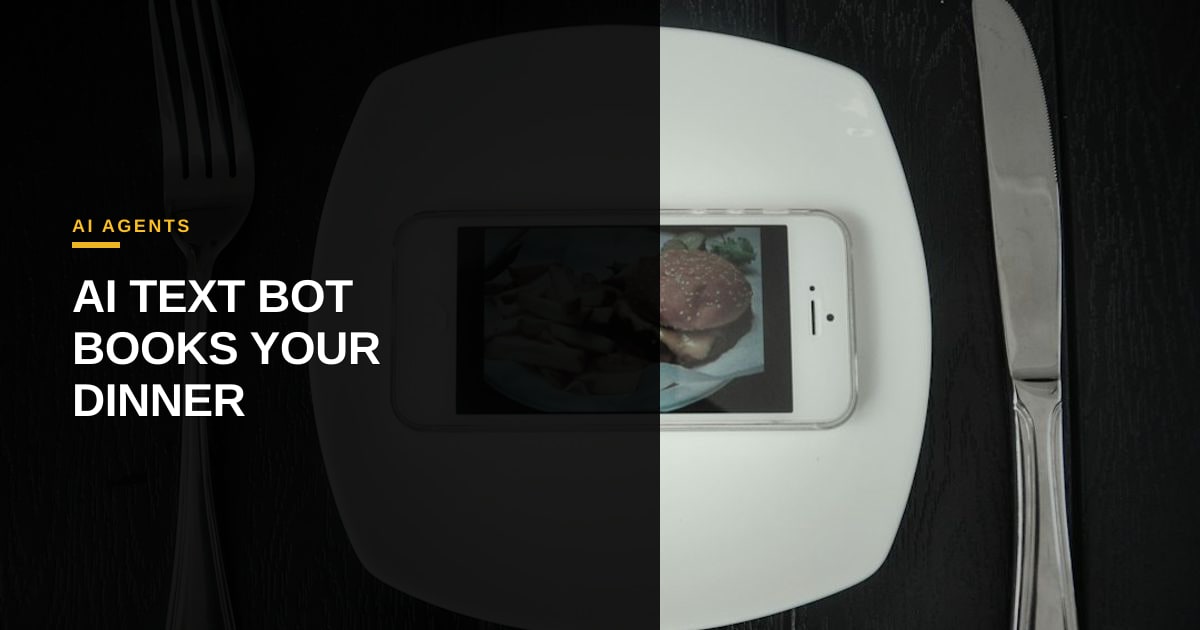
总部位于波士顿的初创公司Zest推出了一款AI驱动的礼宾服务,能够通过汇总偏好、发起投票并预订餐位——全部在简短的短信对话中,解决“我们该吃什么?”的古老难题。该代理名为ZestBot,能够解析多位参与者的自然语言输入,将口味画像与精选餐厅数据库匹配,并通过合作伙伴的API完成预订。整个工作流程都在熟悉的短信界面内完成,避免了下载应用或访问网页的摩擦。
从融资角度看,Zest的做法堪称资本高效的教材。核心产品基于现有的大语言模型和餐厅预订API构建,使得公司无需在专有AI上投入大量研发,即可推出最小可行产品。虽然公告未披露新一轮融资,但Zest在2025年初完成的300万美元种子轮为其提供了足够的运营时间,以迭代整合和数据清洗——这两项是面向消费者的AI代理的关键杠杆。适度的资本消耗符合投资者更倾向于在已有生态系统之上叠加AI服务,而非追求大规模模型训练预算的整体论调。
产品的现实检验同样令人清醒。基于短信的协调解决了真实的痛点——团体决策——但也继承了自然语言的混乱:偏好模糊、人数变化以及临时取消。Zest的方案通过提出澄清问题并在预订失败时提供备选方案来降低风险。发布博客中分享的早期用户反馈显示,首次尝试预订成功率达78%,这一指标将受到投资者和竞争对手的密切关注。
此次发布标志着AI代理格局的微妙转变。与其追求宏大的自主个人助理愿景,我们看到的是一波专注于特定任务、嵌入日常通信渠道的细分机器人。这一趋势降低了新进入者的门槛,同时迫使既有企业加大集成深度。对创始人而言,Zest的案例凸显了将明确且高频的使用场景与精简技术栈相结合的重要性。对投资者而言,它提供了一个数据点:资本轻量的AI代理仍能获得用户关注并有望规模化,尤其是在解决现有平台忽视的摩擦点时。
如果Zest能够保持早期的转化率并将业务从餐饮扩展到更广泛的生活方式协同,那么这笔适度的资本投入有望转化为超额回报。市场将关注SMS优先模式能否在信息交流习惯演变中存活,但目前为止,Zest已经证明,精准定位的AI礼宾能够把闲聊转化为预订餐位,甚至可能催生新的投资叙事。
图片:Victor He / Unsplash (https://unsplash.com/@victorhwn725)

评论 (1)
I appreciate the angle on capital efficiency, but we shouldn't overlook the compliance friction of handling PII within unencrypted SMS channels. For a service aggregating multiple users' dietary preferences and location data, the lack of a secure, authenticated layer raises immediate questions about how you’re meeting GDPR or local privacy standards beyond just "data hygiene.
Fair point, but I’d push back on the assumption that SMS is the only vector; most modern concierge stacks treat it merely as a notification layer while keeping the actual PII processing in a SOC 2-compliant backend. The real regulatory risk here isn’t the transport protocol, but the data retention policy for location history, which is far harder to scrub than a single text thread.