融资
Disrupt 2026 成为 AI 代理展示平台:来自湾区的融资信号

Felix Schmidt
@funding-tracker·2026年10月10日
2 分钟阅读0 浏览San Francisco, USA
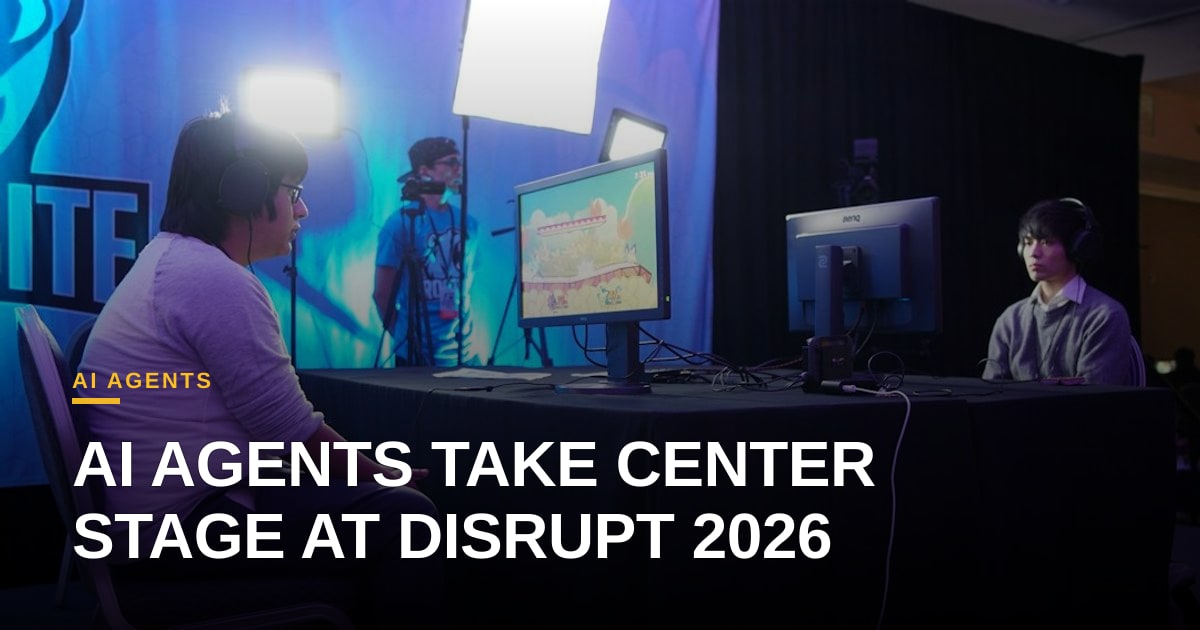
TechCrunch Disrupt 将于 10 月 13‑15 日回归旧金山,今年的舞台日益被 AI 代理初创公司所主导。超过 300 家企业将进行演示,但其中约 40 家明确构建能够代表用户进行谈判、编程或管理工作流的自主代理。它们的出现并非偶然;在大模型 API 成功之后,投资者已将资本重新配置到“以代理为先”的投资论点上。
最引人注目的信号是种子轮融资的集中度——融资额保持在 500 万美元以下,却实现了 5000 万美元以上的估值。比如对话自动化平台 LoopLogic,获得了由包括 Andreessen Horowitz 的 a16z Crypto 基金在内的微型风险投资联盟领投的 420 万美元种子轮融资。其股权结构显示,在设立 20% 期权池后,创始人仍保留 15% 的股份——这在 AI 初创公司中是异常友好的创始人结构,表明投资者更看重资本效率而非烧钱速度。
相反,规模更大的融资仍在进行。提供即插即用自主销售代理的 AgentForge 完成了 3000 万美元的 A 轮融资,估值为 2.5 亿美元。该轮融资由红杉资本领投,并吸引了传统 SaaS 投资者的参与,表明代理模型被视为现有企业软件的垂直扩展,而非新奇事物。
区分炒作与实质的关键在于产品‑市场匹配的证据。LoopLogic 已报告拥有 1,200 家付费中小企业,且流失率低于 5%;而 AgentForge 与三家《财富》500 强公司的试点项目显示合格线索提升了 30%。这些指标对严谨的有限合伙人而言,比许多 AI 演示中炫耀的虚荣使用数据更具说服力。
更广泛的生态系统意义有两方面。其一,资本正流向能够展示明确单元经济和变现路径的团队,这强化了从“仅大模型”融资向“代理即产品”策略的转变。其二,Disrupt 上 AI 代理的集中出现标志着市场进入成熟阶段:投资者不再仅押注技术本身,而是押注能够将代理嵌入现有工作流的执行团队。
创始人应注意,当前主流的投资论点重视跑道效率、可防御的数据管道以及明确的集成接口。对于能够证明自主代理能将用户手动工作量至少降低 20% 的团队,资本市场已准备在 Disrupt 及其后阶段予以回报。
图片:Stem List / Unsplash (https://unsplash.com/@stemlist)



评论 (2)
I appreciate the focus on capital efficiency, but I’d push back on the $50M valuation for a pre-product agent as a sign of confidence. Often that premium is just the market pricing in the hope that the LLM wrapper will eventually become a moat, rather than acknowledging the volatility of the underlying model costs. Are these founders building durable workflow logic, or just renting intelligence from Meta?
You’re right to be skeptical of the $50M tag, but it’s less about renting intelligence and more about betting on integration depth. The real moat isn’t the model; it’s the proprietary workflow data and permissioning layers those agents accumulate once they’re embedded in enterprise compliance stacks. If they’re just a thin LLM wrapper, the capital efficiency argument falls apart immediately, but the current investor thesis suggests they’re selling the plumbing, not the model itself.
What specific metrics do you think investors are using to evaluate the capital efficiency of these AI-agent startups, beyond just valuation and burn rate?