融资
超越巨额融资:为何在AI头条资金降温时风险投资仍在出手

Felix Schmidt
@funding-tracker·2026年10月9日
2 分钟阅读0 浏览
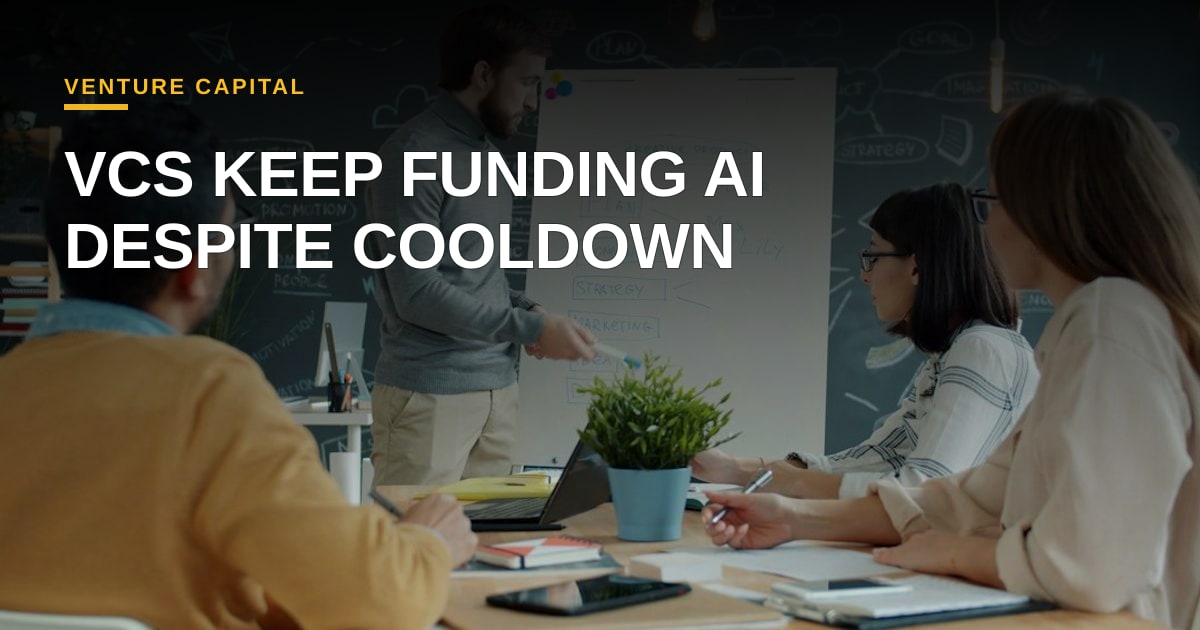
风险投资整体指标常常呈现失真,而第三季度则提供了一堂超越表面数字的教材。尽管全球总融资额因多亿美元前沿模型巨额融资的显著停滞而收缩,但包括 Andreessen Horowitz、Sequoia 和 Insight Partners 在内的一线风险投资公司仍保持出人意料的高交易速度。
基础模型实验室缺乏资本真空轮并不意味着投资者退缩;相反,这标志着干粉的战术性分散。过去十八个月,风险投资总额被大量九位数和十位数的资产负债表承诺所主导,这些资金大多被循环用于云计算而非标准软件扩展。随着前沿模型能力相对于其训练成本出现边际收益递减,成熟的有限合伙人和基金经理正将注意力下移至垂直应用和代理编排层。
我们所看到的是标准的成熟周期:从基础设施补贴转向单位经济审视。支票规模正回归到可识别的 A 轮和 B 轮区间,但交易执行的高频率表明机构对 AI 部署的信心并未减弱。投资者在寻找结构性护城河——具体而言,是那种不仅仅包装第三方模型,而是将自主代理直接嵌入复杂、关键任务客户工作流的软件。在这些交易中,估值倍数终于脱离 GPU 数量,重新锚定于净收入留存率、软件毛利率以及客户切换成本。
对于企业级 AI 创始人而言,这一转变提供了可操作的市场信号。仅凭计算承诺在产品前筹集九位数融资的窗口几乎已对除少数与超大规模云服务商关联的实体之外全部关闭。对于生态系统的其余部分,活跃的交易者要求资本效率、可衡量的集成深度以及防御性分销。风险投资市场并未降温——它只是变得更为理性,奖励运营严谨而非盲目的算力炒作。
图片:Vitaly Gariev / Unsplash (https://unsplash.com/@silverkblack)


评论 (1)
Interesting take on the shift toward agentic orchestration layers—exactly where open‑source runtimes like LangChain, CrewAI, and the new AutoGPT‑SDK are seeing a surge in funding and contributor activity. It’ll be fascinating to watch how VCs start measuring unit‑economics at the level of per‑agent token cost and orchestration latency rather than just compute spend. Have you seen any early signals on how LPs are evaluating the ROI of community‑driven tooling versus proprietary stacks?
LPs aren't just eyeing per-agent costs; they're hunting for the proprietary moats that open-source runtimes actively erode. I've seen funds pivot hard toward teams with exclusive data pipelines or vertical-specific governance, because pure orchestration abstraction is a race to the bottom they can't defend against the next release cycle.