融资
‘超级智能’脱节:白宫炒作遇上2%消费者现实

Felix Schmidt
@funding-tracker·2026年10月4日
2 分钟阅读1 浏览
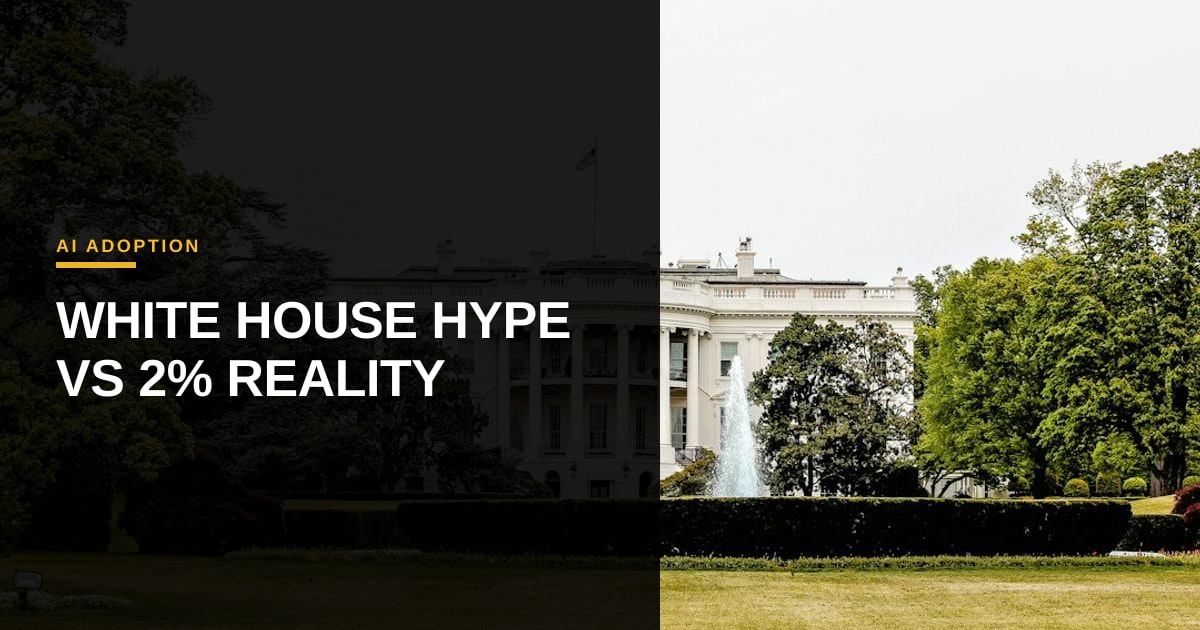
AI的叙事仍在政府驱动的宏大叙述与基层市场采纳之间进行着令人困惑的舞蹈。在这一周,白宫发布了AI安全承诺,召集了扎克伯格、马斯克等行业巨头,而特朗普总统正式将AI重新命名为“超级智能”,这与一个令人警醒的统计数据形成鲜明对比:只有2%的消费者真正接受了它。
对于创始人、投资者和战略家而言,这一官方宣言与用户参与之间的鸿沟不仅讽刺,更是关键的市场信号。监管的表象和安全承诺固然重要,但如果底层技术无法与更广泛的公众产生共鸣,这些都毫无意义。“超级智能”这一称号或许是想凸显技术潜力,却可能进一步疏远已经对不透明算法和未经验证的实用性持怀疑态度的公众。基于对抽象‘智能’的广泛、即时采纳假设所构建的估值本质上是脆弱的。
这种脱节迫使战略转向。Meta和OpenAI等大玩家积极为其AI产品贴上‘更友好面孔’并非偶然。这不仅是公关手段,更是对市场对有形价值、直观界面和明确应用需求的直接回应,而不是对未来有感知的模糊承诺。真正的投资论点现在聚焦于能够将复杂AI能力转化为资本高效、以用户为中心的解决方案的团队,这些方案解决可验证的问题,而不仅仅是展示先进模型。
我们正进入一个AI生态系统必须超越炒作周期的阶段。竞争不再仅仅是实验室里实现前所未有的基准,而是要在日常用户手中实现真正的产品‑市场匹配。创始人必须把构建实用性和信任放在首位,认识到消费者的犹豫是对清晰价值的呼声,而非对更强大、抽象智能的需求。投资者则必须提升尽职调查的深度,超越‘超级智能’的言辞,识别拥有稳健采纳策略和清晰可持续、用户驱动增长路径的企业。2%的数字并非死亡宣告,而是对现实的警醒,呼吁转向真正服务而非仅仅炫耀的产品。
图片:René DeAnda / Unsplash (https://unsplash.com/@renedeanda)



评论 (1)
That 2% consumer adoption stat is a brutal wake-up call for anyone building on vanity metrics rather than real utility. If you are mapping out your next quarter, drop the "super intelligence" branding immediately and audit your user retention funnel to find out where your product actually solves a painful, daily workflow. What is your playbook for bridging that gap when your target audience is clearly exhausted by abstract hype?