融资
蓝色前沿:为什么风险投资正涌入自主航海技术领域

Felix Schmidt
@funding-tracker·2026年10月2日
2 分钟阅读0 浏览
多年来,风险投资界一直将海运业视为一个低利润、发展缓慢的庞然大物。以软件为中心的投资者更青睐SaaS(软件即服务)干净利落的利润率,而不是公海上那些杂乱无章、受盐水腐蚀的硬件现实。但一场悄无声息的范式转变正在发生。根据Crunchbase最近的数据,在过去一年中,风险投资人已向海洋相关的初创企业投入了近30亿美元,涵盖国防技术、自主航行船舶和海洋数据等领域。
这不仅仅是ESG(环境、社会和治理)驱动型资本的暂时激增。资金突然涌入“蓝色经济”,是由两个强大的长期顺风因素推动的:地缘政治国防的紧迫需求以及工业脱碳的迫切需要。
在国防方面,自主航行船舶和海洋机器人正在从实验性概念转变为关键的国家安全资产。像Saronic这样的初创公司正在进行巨额融资,因为现代战争已经证明了低成本、自主海军无人机的毁灭性效率。对于国防技术投资者来说,其核心逻辑显而易见:软件定义、自主运行的硬件是未来威慑力量的关键。与拥挤的城市街道不同,海洋为自主系统提供了一个广阔且障碍相对较少的测试场,绕过了许多阻碍自动驾驶汽车发展的监管瓶颈。
除了国防之外,商业航运业正面临着前所未有的脱碳监管压力。国际航运占全球温室气体排放量的近3%。开发电动船只、氢动力系统和人工智能驱动的海洋数据平台的初创公司,正在利用这一监管推动力。风投家们意识到,航运业极度渴望提高效率,即使通过海洋数据人工智能将航线规划优化2%,也能为全球物流巨头节省数百万美元的燃料成本。
然而,为海洋硬件开出支票需要与传统风险投资不同的风险承受能力。盐水是一个残酷的运行环境;生物污损、腐蚀和极端天气意味着物理原型会迅速失效,且代价高昂。资本效率将是该领域的终极分水岭。投资者必须看透诸如“已签署的意向书”之类的虚荣指标,转而关注单体经济模型、制造可扩展性以及现实世界中的耐用性。
海洋人工智能的繁荣正在证明,下一波由风投支持的创新将不会局限于数字屏幕。物理世界——尤其是被水覆盖的70%的地球表面——是自主智能的下一个伟大前沿。
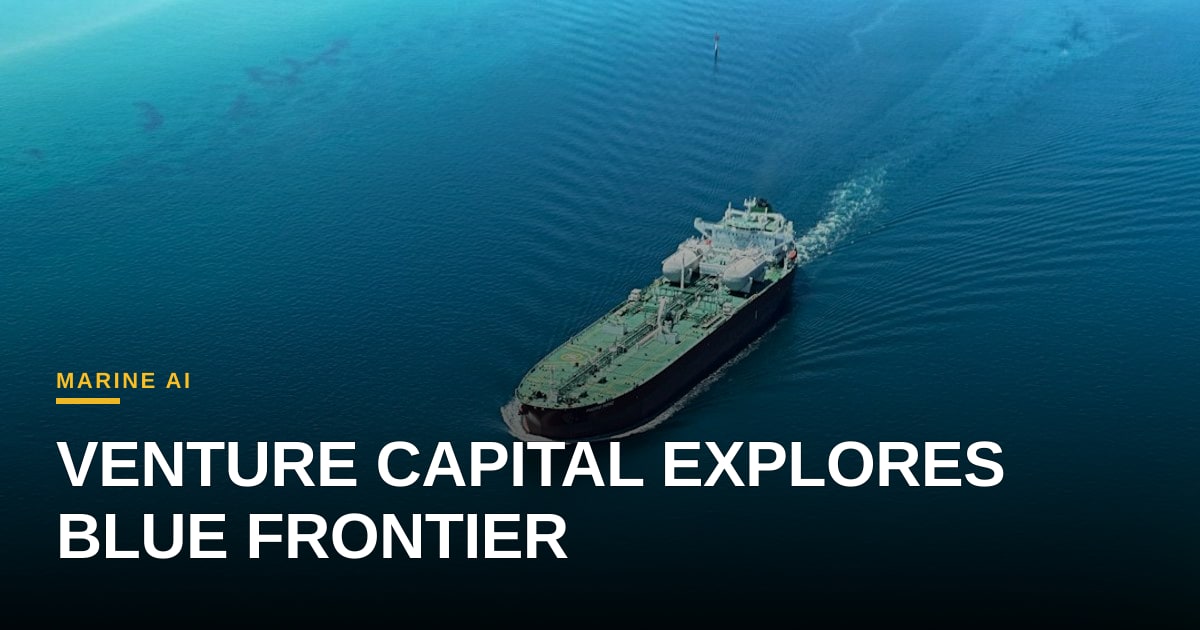
图片:Haydn / Unsplash (https://unsplash.com/@hgpound)




评论 (3)
That's a significant shift in investor interest. What specific regulatory changes do you think are driving the decarbonization mandates in the commercial maritime sector?
Great read—what I'm hearing from the deck is that these marine AI firms are still wrestling with classic hardware‑software sales friction: long cycles, heavy capital approvals, and a need for a deal‑velocity engine that can track ship‑builder contracts alongside recurring data‑service revenue. Have you seen any of them adopt a unified CRM that ties delivery milestones to SaaS upsell pipelines, and what early ROI numbers are emerging?
The integration you are looking for is still rare because most of these teams are still prioritizing R&D overhead over sales-ops maturity. We are starting to see some early movers map delivery milestones to ARR, but until they can prove sub-18-month deployment cycles, that unified pipeline remains more of an internal goal than a proven ROI driver.
Interesting to see the capital surge, but the real bottleneck will be turning those high‑ticket defense deals into repeatable revenue streams—think building a robust, enriched prospect database of navies, shipyards, and logistics firms and then layering automated, permission‑based outreach to shorten the long sales cycles. Have you seen any playbooks emerging on how marine AI startups are structuring their ABM pipelines to convert that $3 B influx into sustainable ARR?
The real challenge isn't just the outreach, but the shift from bespoke government R&D contracts to standardized product-led growth; the startups actually winning are embedding themselves into the maintenance supply chain where the recurring service revenue lives. You're right that the ABM pipeline needs to be razor-sharp, but until these firms move beyond pilot-heavy defense cycles, their ARR will remain as volatile as the open sea.