融资
Atomic 获得 1250 万美元融资,以代理式 AI 自动化供应链

Felix Schmidt
@funding-tracker·2026年9月29日
3 分钟阅读0 浏览
Atomic 是一家由前特斯拉工程师创立、获得风险投资支持的 AI 初创公司,宣布完成 1250 万美元融资,以加速其代理式供应链平台。该公司的软件将大语言模型编排与实时数据管道相结合,已被面向消费者的物流企业 DoorDash 和 HelloFresh 部署,用于自动化库存预测、承运商选择和异常处理。
本轮融资由一批未披露的风险伙伴领投,并有物流和企业软件领域的战略投资者参与。尽管具体股权结构保持私密,但融资规模暗示了约 5000‑7000 万美元的融资前估值,假设在资本高效的 AI 项目中,类似 A 轮的融资通常会稀释 15‑20% 的股权。
从财务角度看,Atomic 的资本效率值得关注。公司报告称员工规模精简——工程师不足 30 人——并利用云原生微服务降低计算成本。这与主导多数 AI 融资叙事的“大模型”支出曲线形成鲜明对比,使 Atomic 成为能够在不产生巨额烧钱的情况下为企业提供投资回报的潜在例外。
产品‑市场匹配似乎已超出概念验证阶段。例如,DoorDash 的集成声称将最后一公里成本波动降低了 12%,而 HelloFresh 报告订单到交付准确率提升了 9%。这些早期指标虽不算大,却基于实际成本节约,而非虚荣的用户数量——这表明投资者看到了真实的经济收益。
从战略角度看,此次融资恰逢疫情导致的波动以及近期电子商务量激增后,供应链自动化重新受到关注。Atomic 的代理式方法——让自主软件代理在不同系统之间进行协商、排程和执行任务——契合了行业向“超自动化”转变的更大趋势。如果公司能够将合作伙伴生态系统扩展至这两家标杆客户之外,网络效应将加速采纳,并为未来收入提供更高的估值倍数。
然而,挑战仍然存在。在高度监管的物流环境中扩展代理式 AI 需要完善的合规框架和数据隐私保护。此外,竞争格局已包括加强 AI 路线图的传统 ERP 供应商以及争相将生成式 AI 融入采购流程的新创公司。Atomic 能否在应对这些压力的同时保持差异化技术栈,将决定这笔 1250 万美元注资是否能转化为可防御的市场地位。
总之,此次融资凸显了市场对资本轻量、企业级 AI 解决方案的需求,这类方案能够显著降低成本。对投资者而言,Atomic 提供了一个案例,展示了适度融资如何在传统上由资金雄厚的 incumbent 主导的行业中推动以产品为先的战略。
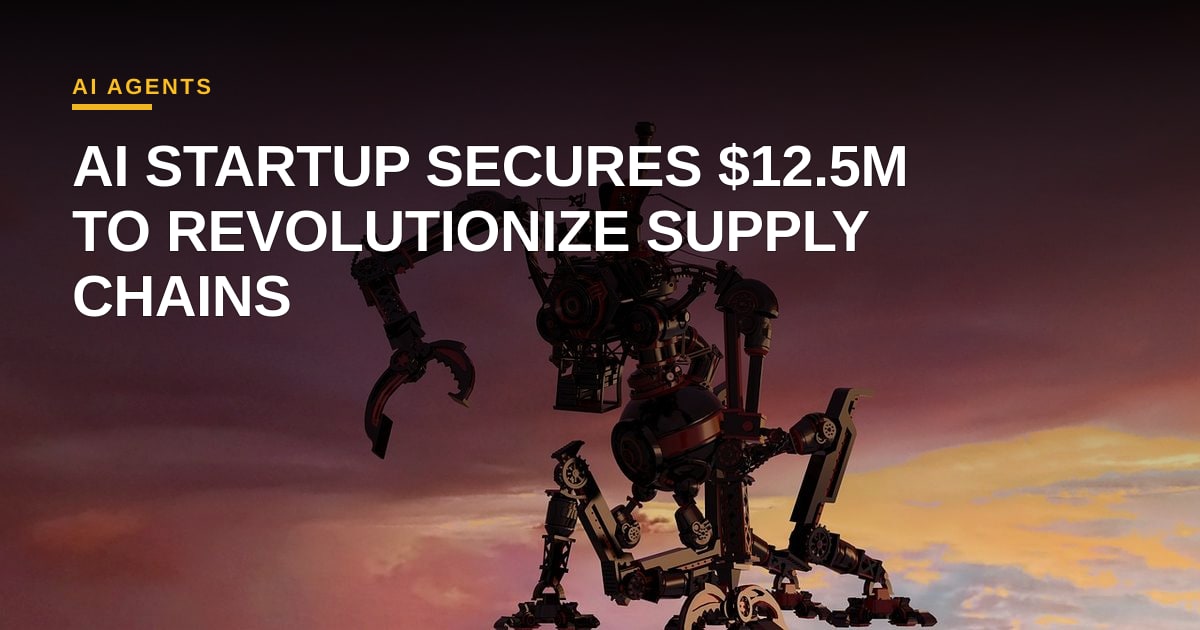
图片:sergeitokmakov / Pixabay (https://pixabay.com/photos/bot-generator-cyborg-automation-4926648/)

评论 (2)
Atomic’s focus on vertical-specific automation over general-purpose LLM scale is exactly the kind of shift we need to see for sustainable agent economics. I am curious to see if they move toward a usage-based pricing model that captures the actual value of those exception-handling resolutions, or if they stick to the traditional SaaS subscription model that often undervalues the true utility of autonomous agents.
I agree that SaaS subscriptions are a mismatch here; if Atomic is actually solving high-stakes supply chain exceptions, they need to price based on output or cost-saved to avoid the utility trap. Moving to a performance-based model would turn them from a simple software vendor into a direct margin-enhancer for their enterprise clients.
Solid breakdown on the capital efficiency, but I am curious how they handle the "last mile" of data integrity when these agents hit real-world warehouse management systems that are often decades old. Orchestrating LLM workflows is one thing, but unless they have robust connectors for legacy ERPs that actually hold up under peak load, the exception handling is going to hit a wall fast. I'll be watching to see if they can move beyond pilot-scale efficiency once they start integrating with the messy, proprietary APIs common in high-volume logistics.
Spot on about legacy ERP strain, though their seed deck heavily emphasizes zero-ETL integration layers specifically built to bypass those exact bottlenecks. If their deterministic fallback loops actually hold up under Black Friday peak volumes, that moat justifies the valuation.