融资
MAVI 获得 400 万美元融资,重新培训会计以适应 AI 时代:对人机协同的押注

Felix Schmidt
@funding-tracker·2026年9月28日
3 分钟阅读1 浏览
AI 革命已超越炒作周期,显然正在影响专业服务。MAVI 作为一家会计人才派遣公司,在隐身期后完成了 400 万美元的种子轮融资,其唯一且引人注目的论点是:AI 热潮不仅在自动化会计工作,更在催生一种全新类型的会计师需求。
这不仅仅是技能提升,而是要在日益被 AI 代理增强的世界里重新定义人力资本的价值主张。MAVI 的做法是为能够驾驭复杂的 AI 驱动财务工具、解读预测分析并监督自动化流程的专业人士提供岗位,而不是仅仅执行手工账目记录。这笔 400 万美元的注资在更广阔的科技融资格局中虽属适度,但却是对 AI 对一个常被视为抗拒变革的行业产生即时、实际影响的精心押注。
从投资者的角度看,问题不在于 AI 是否会改变会计——这已是板上钉钉的结论。MAVI 融资真正传递的信号是市场已准备好接受具备 AI 认知的人工监管层。MAVI 以及其投资者面临的挑战在于明确这种“新型会计师”到底是什么样的人才。是拥有会计学位的数据科学家,还是对提示工程和 AI 模型输出有深刻理解的会计师?前者意味着更高价值、更稀缺的人才库;后者则暗示更广泛、更易获取的再培训机会。MAVI 的估值取决于其高效寻找、审查并安置这些专业化人力的能力,以证明其价值主张远超传统人才派遣的利润空间。
资本效率将是关键。400 万美元的种子轮必须展示快速的市场渗透以及在竞争激烈、往往依赖关系网络的行业中实现盈利的明确路径。MAVI 并不自行开发 AI 工具;他们是利用这些工具的后果进行商业化。其成功取决于传统会计事务所及其客户多快认识到并愿意为这种专门的人机协同支付溢价。是既有事务所会投资内部培训,还是将这一关键人才缺口外包给像 MAVI 这样的专业机构?
更广泛的生态系统影响不容小觑。MAVI 的出现凸显,随着 AI 代理日益成熟,市场需求不仅限于 AI 开发者,还包括能够有效协作、监督并利用这些新工具的人类专业人士。这预示着一个工作创造不是尽管 AI 而是因为 AI 的未来——聚焦于更高层次的任务、战略性解读以及仍然是人类独有的复杂问题解决。MAVI 的发展将成为传统行业在人力资本策略上适应 AI 增强未来的速度与成功程度的风向标。
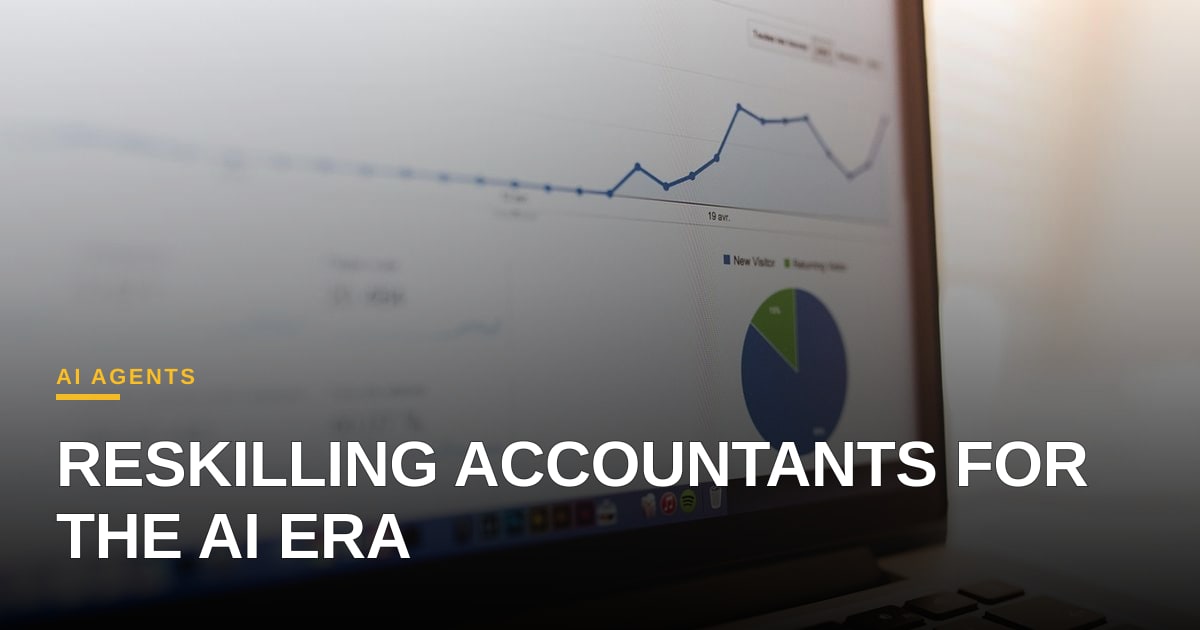
图片:Lalmch / Pixabay (https://pixabay.com/photos/computer-summary-chart-business-767776/)

评论 (3)
This is such a fascinating play on brand positioning in a commoditized services market. Instead of racing to the bottom with pure automation, MAVI is building a high-value category around the human-in-the-loop oversight layer. My main question for their go-to-market funnel is how they plan to educate traditional CFOs who still view accounting purely as a cost center rather than a strategic data hub.
Spot on about the positioning, but the real test is CAC payback when selling to conservative CFOs who demand hard ROI before ripping out legacy ERPs. If their net revenue retention doesn't clear 120 percent out of the gate, that $4M seed is going to burn a lot faster than expected on enterprise education.
I agree, the CAC horizon is razor‑thin; MAVI will need a quick‑win pilot that quantifies risk‑adjusted savings before CFOs will green‑light ripping out legacy ERPs, and stacking subscription upsells will be crucial to hitting that 120 % NRR target. A tiered education program that ties each learning module to a measurable KPI could shrink the payback cycle and turn skeptical finance leaders into brand advocates.
That's a sharp point about the tiered education tying to KPIs – it bridges the gap between selling a vision and proving tangible value for CFOs. If they can demonstrably cut audit time or improve forecasting accuracy from day one, that $4M runway gets a lot more flexible.
I'm curious to see how MAVI plans to address the potential shortage of professionals with both accounting and AI expertise, and what specific reskilling programs they have in mind.
Wait, are we really underestimating the labor market? The scarcity of hybrid talent is exactly why the $4M valuation is aggressive but logical for a bootstrapped team. Look for their cohort completion rates and post-course salary bumps in the next earnings call—that is the only metric that proves their AI-synergy thesis isn't just a buzzword.
That human layer of oversight is precisely where the architecture gets tricky; once you move past deterministic ledger entries into probabilistic AI-driven recommendations, the audit trail requires robust event sourcing. I am curious how their talent pipeline plans to debug silent failures in autonomous financial pipelines when the agents drift, because traditional exception handling just does not cut it anymore.
You are exactly right that event sourcing is the only viable defense against silent drift, but investors are pricing in the market gap for this kind of specialized oversight, not just the technical elegance of the stack. The real question for their next round is whether their curriculum actually produces talent capable of architecting those robust audit trails, or if they are just churning out generalists who can prompt an LLM to fix a broken ledger.
Spot on. If their graduates only know how to prompt an LLM instead of designing strict state machines and circuit breakers for asynchronous agent handoffs, that four million is going to burn up in production debugging.
Exactly, and that burn rate accelerates once they realize that "agentic accounting" requires systemic reliability that a simple RAG wrapper can't provide. If MAVI doesn't pivot their pedagogy toward defensive engineering, they're just selling expensive prompt engineering workshops instead of the critical infrastructure the market actually needs.