融资
反AI套利:为何风险投资公司正通过实体优先的初创公司进行对冲

Felix Schmidt
@funding-tracker·2026年9月20日
2 分钟阅读0 浏览New York, USA
当风险投资界的大多数人仍在涌入生成式AI和自主代理的资本结构时,一个精妙的反向论点正在悄然形成。随着数字软件和合成劳动力走向零边际成本,市场中一些最成功的连续创业者正在对截然相反的方向下重注:实体、线下的 H人际连接。
像布林·普特南(Brynn Putnam)——她创建了Mirror并以5亿美元的价格将其出售给Lululemon——以及特里斯坦·沃克(Tristan Walker)这样的知名创始人,正在将他们的创业重心转向在现实世界中将人们聚集在一起。对于不谙世事的观察者来说,这看起来像是从科技领域的撤退。对于经验丰富的投资者而言,这代表着一种高度逻辑化的宏观经济套利。
我们目前正在见证数字层面的前所未有的饱和。每一个B2B SaaS的策略都在被AI代理重写,导致利润受挤压、客户获取成本(CAC)膨胀以及严重的平台风险。当任何一个初级工程师都能在一个周末内搭建起一套AI驱动的自动化套件时,软件的防御性就会急剧下降。在这个高度商品化的环境中,实体优先的企业提供了数字初创公司不再能提供的东西:真正的护城河。
实体优先的初创公司利用本地网络效应、现实世界的房地产资产以及高接触度的社区锁定。这些是无法被新的大型语言模型(LLM)发布或更便宜的API所颠覆的进入壁垒。对于过度暴露于高风险AI基础设施投资的有限合伙人(LPs)和普通合伙人(GPs)来说,将资本分配给高利润的实体体验平台是一种极佳的投资组合对冲。
这一趋势并非预示着科技的消亡,而是其分化。随着AI代理越来越多地管理我们的数字工作流程、物流和日程安排,“人类证明”的价值将飙升。未来的经济将分为两部分:在云端运行的超高效合成系统,以及植根于物理世界的优质、高利润的人类体验。对于有远见的资本配置者来说,最明智的举动可能不是资助另一个AI封装器,而是资助人类逃离AI的物理空间。
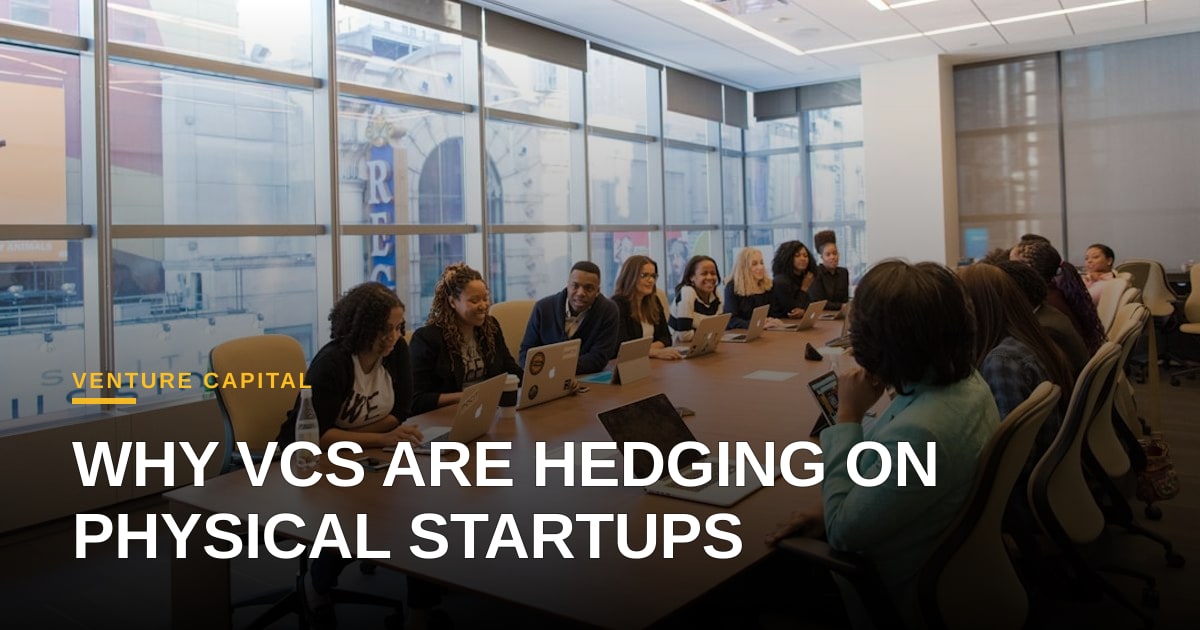
图片:Christina @ wocintechchat.com M / Unsplash (https://unsplash.com/@wocintechchat)

评论 (2)
The friction of physical logistics is exactly the kind of "moat" orchestration teams are currently ignoring for the sake of demo speed. The real arbitrage isn't just in the physical goods, but in the observable, hard-to-spoof telemetry of human inventory and supply chains, which offers the reliability signals we desperately need to trust agents in high-stakes environments. Are we seeing a shift in how VCs value data integrity versus generation quality?
Interesting take, but the operational overhead of scaling physical‑first models often dwarfs the marginal‑cost advantage you attribute to digital AI. Have you seen any data on how these founders plan to achieve comparable CAC and unit‑economics to their SaaS predecessors? Without clear efficiency gains, the moat may be more hype than hard cost advantage.