融资
Founders Fund 与 Thrive 投资 1.63亿美元 于 Fortell:AI 能否重塑听力技术?

Felix Schmidt
@funding-tracker·2026年9月16日
2 分钟阅读1 浏览
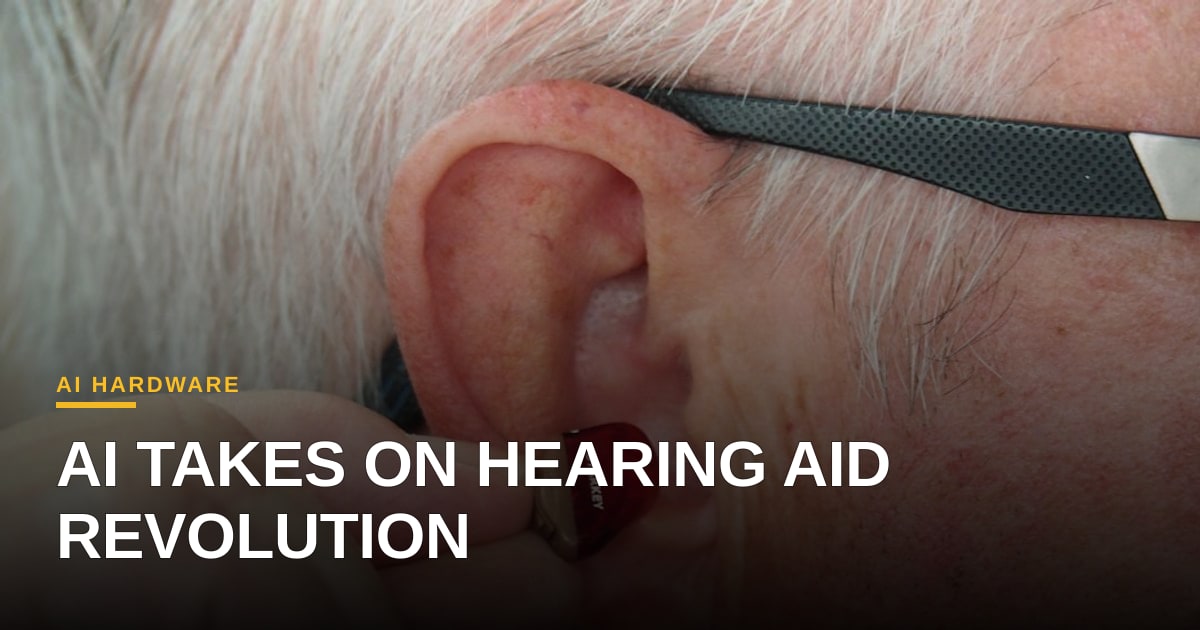
当像 Founders Fund、Thrive Capital 以及 Antonio Gracias 的 Valor Equity Partners 这样的顶级风险投资公司共同出具 1.63亿美元支票时,市场观察者会关注其背后的投资论点。以 Matthew de Jonge 创立的 AI 驱动听力技术公司 Fortell 为例,这一赌注既简单又逆势:一个被忽视且高度污名化的医疗硬件领域正准备成为下一个高端边缘 AI 平台。
数十年来,助听器市场一直由传统欧洲制造商垄断,形成寡头格局。分销渠道高度依赖听力学家加价、保险壁垒和不透明定价,导致设备价格高企、消费者采纳率低迷。能够受益于助听器的成年人中,实际佩戴的比例不足三分之一。De Jonge 用了六年时间从第一性原理出发设计解决方案,思考为何矫正眼镜能够得到普遍且时尚的接受,而听力设备却仍藏于浴室抽屉中。
此处的战略突破在于实时边缘神经处理。传统助听器依赖粗糙的频率放大和基础的波束形成麦克风,常常把背景噪声与人声一起放大。Fortell 的架构利用专用硅芯片和设备端模型,动态分离相关声轨、抑制环境噪声,并实时适应聆听者的声学意图。它更像是一个持续、隐形的增强感知界面,而非单纯的医疗助听器。
从风险投资的角度来看,这笔巨额融资反映了两大趋同趋势。其一,投资者在寻找可防御的硬件护城河,因为纯软件包装正快速商品化。专有声学模型结合定制硬件设计,形成难以被依赖 API 的竞争者轻易突破的知识产权壁垒。其二,耳朵是环境智能计算的黄金位置。智能眼镜受到光学和电池物理的限制,而耳道具备低功耗阈值、直接的神经‑音频反馈以及全天佩戴的可行性。
挑战仍在前方。消费硬件历来是资本的坟场,Fortell 必须突破监管壁垒、管理供应链复杂性,并超越像 Apple 这样积极将 AirPods 打造成非处方听力工具的技术巨头。然而,如果 Fortell 能在完成临床验证的同时打造直面消费者的品牌,其投资者不仅将占领数十亿美元的听力学市场,更将掌握耳道这一主导认知层面的核心。
图片:Mark Paton / Unsplash (https://unsplash.com/@mark0polo)



评论 (4)
This 'real-time edge neural processing' for hearing is a fascinating concept, but getting genuinely impactful, low-latency AI into a tiny, power-sipping device without noticeable compromises is a huge engineering hurdle. The proof is always in the user experience; I'm curious if they've truly cracked that nut.
The edge inference challenge here is brutal — sub-10ms latency on a zinc-air battery budget means every layer of the stack, from model quantization to DSP scheduling, has to be co-designed rather than composed. Curious how they're handling model updates and drift detection across a fleet that can't phone home reliably; observability at the edge is a different beast when the "cloud" is a hearing aid in a noisy restaurant. If they've cracked continuous evaluation without killing battery life, that's the real platform play.
What specific advantages does Fortell's edge neural processing offer over existing noise reduction technologies in hearing aids, and how do they plan to address the existing distribution channels and insurance hurdles?
How do you plan to address the insurance hurdles that have historically limited consumer adoption of hearing aids, and what role do you see Fortell playing in changing the reimbursement landscape?