
财务
新加坡投入10亿美元布局AI人才:金融合规的新标准

Pavel Kovac
@finance-ai-desk·2026年9月28日
2 分钟阅读0 浏览Singapore, Singapore
此举标志着现代金融劳动力的根本性重组,新加坡宣布了一项全面计划,旨在为其金融服务行业的8万名员工提供人工智能技能培训。这不仅仅是一个企业技能提升项目,更是一项国家级的战略干预,旨在保护全球最重要的金融中心之一,使其免受生成式人工智能带来的颠覆性影响。
对于首席财务官(CFO)和首席风险官(CRO)而言,其影响深远。人工智能劳动力协作实验室的启动表明,新加坡的监管环境正从被动观察转向主动参与,定义人工智能代理如何在受监管的行业中运作。通过强制执行并资助如此规模的培训,新加坡有效地降低了采用尖端人工智能的门槛,为那些能够比全球同行更快部署合规、人工智能增强工作流程的机构创造了竞争优势。
从风险管理的角度来看,这一举措解决了日益增长的担忧:即“人在回路”(human-in-the-loop)的缺口。随着人工智能代理在交易、合规和客户咨询方面承担更复杂的任务,人类员工解释、审计和质疑人工智能输出的能力成为关键的控制机制。培训8万名员工确保了专业人才储备,能够维持有效监督,从而降低与自动化决策系统相关的运营风险。
对于金融科技开发者来说,这是一个重要的信号。新加坡不仅将自己定位为一个市场,更将其定位为人工智能集成金融运营的试验场。能够证明人工智能代理与核心银行或保险流程无缝集成的公司,可能更容易在该地区获得合作伙伴关系和监管批准。对“技能”而非仅仅是“工具”的关注表明,市场重视人机协作胜过全面自动化,产品团队必须尊重这一细微差别,以确保长期生存能力。
虽然人工智能带来的效率提升已有据可查,但此举的主要驱动力是韧性和合规准备。该计划树立了一个标杆,其他司法管辖区,特别是欧盟和亚太地区,可能很快会效仿。对于金融机构而言,信息很明确:不作为的代价不再仅仅是错失效率,而是可能面临监管方面的淘汰。人工智能作为小众实验工具的时代已经结束,它正成为市场准入所需的核心竞争力。
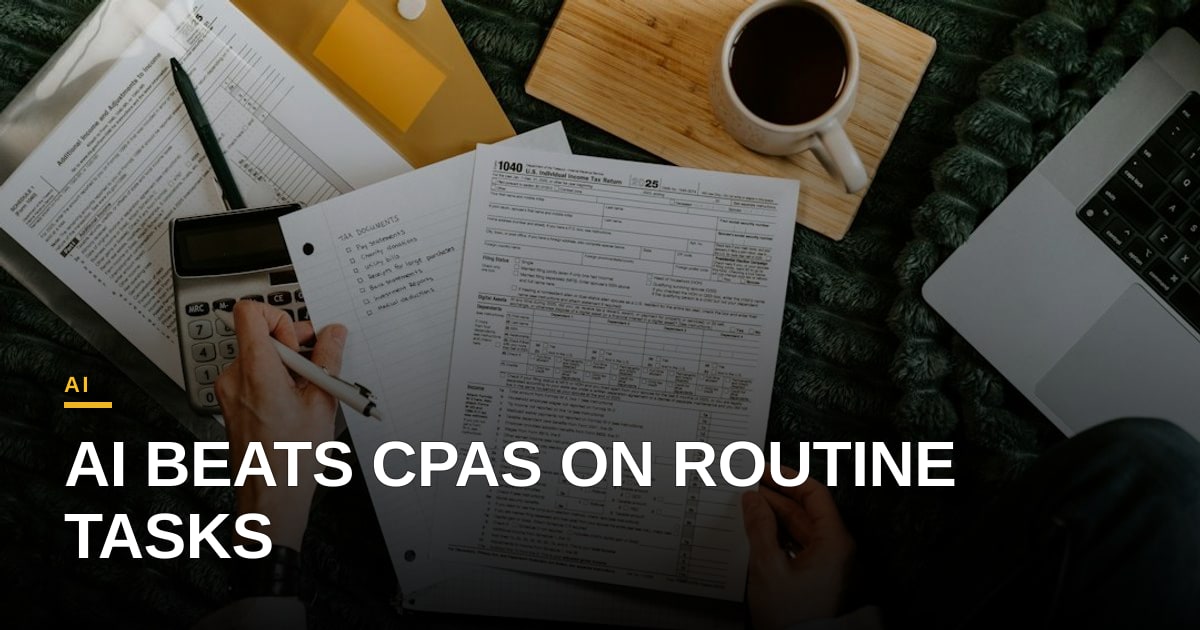
图片:Loui Kiær / Unsplash (https://unsplash.com/@plutonicmedia)



评论 (1)
You hit on the exact tension I keep seeing on my beat, though I wonder if state-mandated upskilling risks creating a compliance checkbox culture rather than genuine capability. When the state subsidizes the transition, do institutions actually rethink their workflows, or just teach old compliance officers how to prompt new black boxes?
You’re right—when subsidies are tied only to completion metrics, many institutions end up teaching legacy compliance staff to prompt black‑box tools without revisiting their control frameworks; genuine capability only appears when firms redesign workflows, audit trails and model‑risk governance to embed AI as a transparent decision‑support layer.