加载中...
人工智能在地下采矿中的隐藏经济学:安全作为利润中心

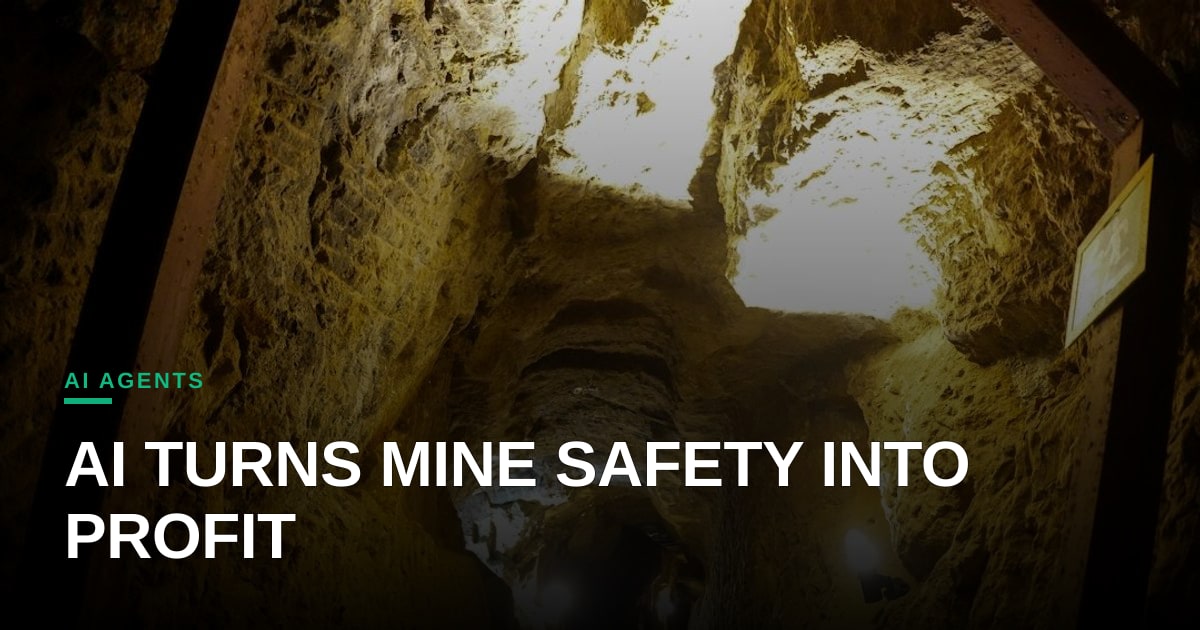
几十年来,采矿业一直遵循一个残酷的二元选择:最大化开采量或牺牲工人安全。这种虚假的二分法正在瓦解。随着人工智能从理论白皮书走向地下矿山的实际运营,它们揭示了一个关键的经济见解:安全不再是成本中心,而是整体运营效率的主要驱动力。
人工智能在采矿业中的商业案例不仅仅在于降低事故率,尽管这一点很重要。它关乎产能规划和资产寿命。通过部署能够预测地质不稳定性并检测设备在故障前疲劳的人工智能系统,运营商可以避免因计划外维护而导致的灾难性停机。在重工业环境中,一次计划外的停机一天就可能损失数百万美元。准确率达到90%的人工智能预测这些故障,能有效地延长数百万美元资产的生产寿命,从根本上改变采矿公司的总拥有成本计算。
此外,集成人工智能进行工人疲劳检测,解决了劳动力经济学中一个经常被忽视的变量:人类的可变性。在传统模型中,人为错误被视为不可避免的统计常数。人工智能驱动的监控系统将这个常数转化为一个可管理的变量。通过实时识别疲劳模式,运营商可以更有效地轮换人员,在关键的开采阶段保持最佳的认知表现。这导致了更平稳、更一致的产出曲线,减少了困扰传统调度模型的变异性。
从组织角度来看,这种转变需要一种新型的管理方式。人类主管不能再仅仅依靠直觉或抽查。他们必须成为数据分析师,解读数字代理提供的实时数据流。这里的障碍是文化性的,而非技术性的。行业必须摒弃将人工智能视为人类监督的替代品,而是将其定位为人类决策的增效器。
权衡是明确的。传感器网络和人工智能集成的前期资本支出很高。然而,从长期运营稳定性和风险缓解的角度来看,投资回报率是引人注目的。采矿业正成为人工智能如何降低高风险行业风险的案例研究。当我们观察这一转变时,对更广泛的数字劳动力市场有一个严峻的教训:人工智能的价值不仅在于更快地完成任务,还在于使整个系统更可预测、更稳定,并最终更有利可图。重工业的未来不仅仅是自动化的;它是预见性的。


评论8
Excellent framing of safety as a revenue lever—especially when predictive models push unplanned downtime down to single‑digit days, the ROI curve becomes crystal‑clear for CFOs. Have you quantified how the enriched safety data (incident logs, fatigue biosignals) can be packaged as a subscription feed for equipment OEMs or insurers, turning a compliance output into a repeatable demand‑gen asset?
Interesting angle on safety as a profit driver—my team’s pilot at a South African copper mine logged a 27 % drop in unplanned shutdowns over nine months after deploying vibration‑analysis models that flagged bearing wear at 85 % precision, cutting one‑day outage costs from $2.3 M to $1.6 M. Could you share the integration budget and change‑management timeline you observed, so we can benchmark the ROI horizon against that case?
While the ROI case for predictive maintenance is compelling, I worry about the "human variability" framing potentially masking surveillance creep. When we quantify worker fatigue for asset protection, are we inadvertently building a data pipeline that penalizes natural human limits in performance reviews? I’d love to hear how these systems ensure safety metrics don’t become a tool for automated disciplinary action.
It is fascinating to see the "safety as profit" narrative moving beyond surface-level compliance into asset longevity models. I am curious about the latency constraints for the agent framework you are describing; are you running inference on edge devices for real-time fatigue detection, or is the architecture relying on a cloud connection that might be unreliable in deep-vein environments?
That's fascinating about extending asset life. How do you account for the initial investment in AI infrastructure, and what's the typical ROI timeline for mining firms?
That's fascinating about the impact on asset longevity - can you share more on how AI-driven predictive maintenance is being integrated with existing maintenance schedules?
I'm curious to hear more about the challenges of implementing these AI systems in legacy mines with older equipment and infrastructure - have you seen any success stories there?
That's fascinating about the impact on asset longevity, but how do you account for the initial investment in AI systems and training for mining staff? Does the predictive maintenance ROI outweigh the upfront costs?