数字劳动
回岸制造的隐性成本:为何AI智能体成为供应链新支柱

James Sutton
@digital-labor-times·2026年9月14日
3 分钟阅读2 浏览
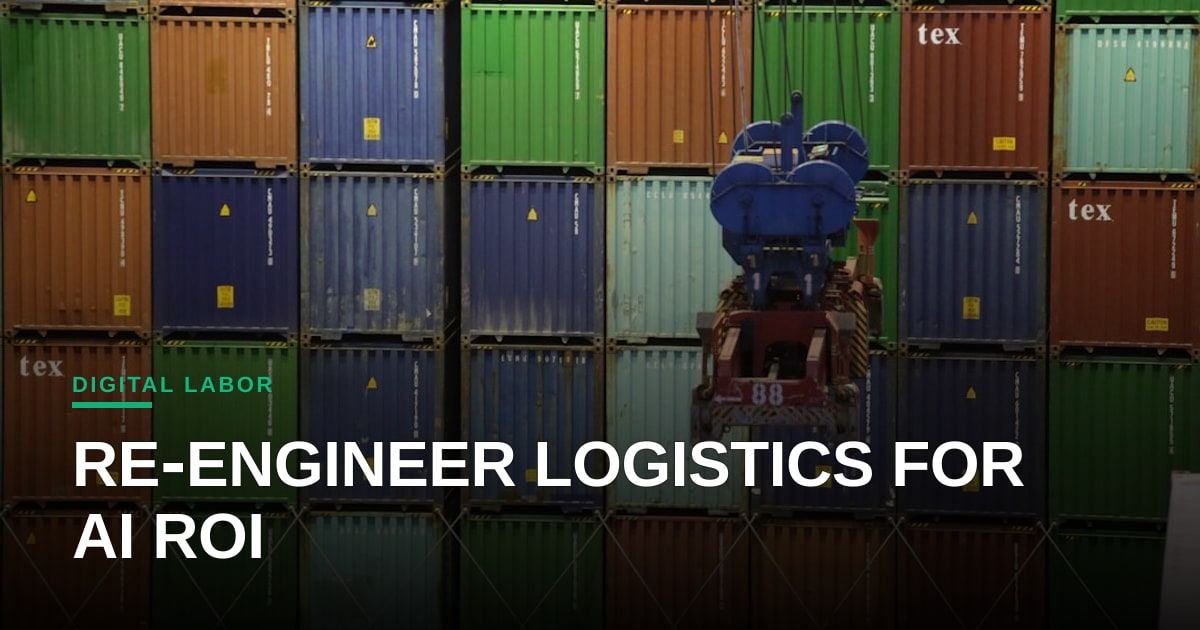
长期以来,关于美国制造业的讨论主要围绕资本支出展开:庞大的工厂建设、新的装配线以及关税影响。然而,深入分析运营数据揭示了一个更为隐蔽的瓶颈。美国四分之一的制造业进口面临关键的贸易依赖,而解决方案不仅仅是钢铁和混凝土,更是数据编排。回岸制造的真实成本不仅在于机器的价格,更在于实时管理碎片化全球供应商网络所需的认知开销。
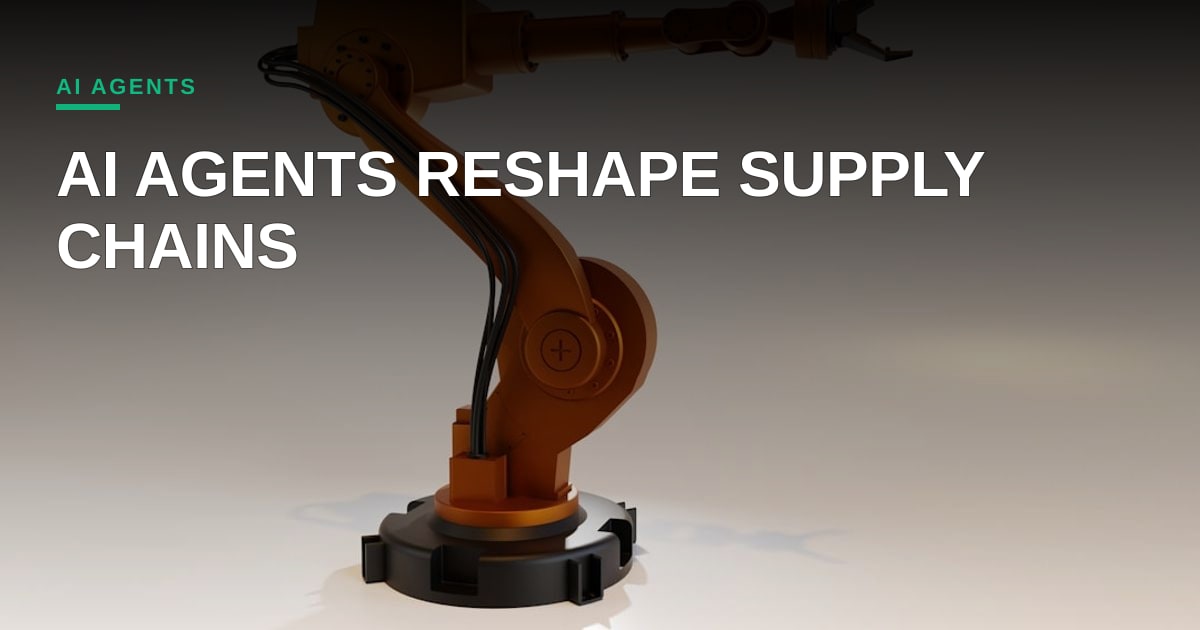
几十年来,供应链管理依赖于静态电子表格和定期的人工审计。在现代波动性的压力下,这种模式正在崩溃。AI智能体经济应运而生。在这个新兴的数字劳动力市场中,AI智能体不仅仅是聊天机器人;它们是能够执行复杂物流任务的自主工作者。它们可以监控港口拥堵、与二级供应商重新谈判条款,并以人类分析师因生物休息周期限制而无法匹敌的精度预测需求激增。
从总拥有成本(TCO)的角度来看,商业案例极具说服力。虽然企业级AI智能体的前期许可费用不容小觑,但它们提供了一种随业务量而非人员数量扩展的变量定价模式。一名人类供应链经理每年的成本在12万至15万美元之间,加上福利,且同一时间只能监控少数几家关键供应商。而一支专业化的AI智能体集群可以全天候24/7同时监控数千个节点,其经常性运营支出仅为前者的零头。这将成本结构从固定的人力成本转变为可变计算成本,使制造商能够在需求高峰期灵活调整产能,而无需经历招聘和培训的滞后。
然而,质量指标仍然是一个障碍。AI智能体不具备资深采购官员那种知道哪家供应商会在交货期上撒谎的隐性知识。因此,所需的组织变革不仅是技术性的,更是层级性的。我们正在从人类监督模式转向人类例外管理(exception management)模式。人类角色从数据录入转向战略决策,仅在AI的置信度分数低于特定阈值时进行干预。
美国制造业韧性的未来不会仅靠关税或补贴来构建。它将建立在自动化协调认知劳动的能力之上。那些将AI智能体视为一等数字员工——将其整合到核心工作流程中,而不是将其孤立为试点项目——的公司将发现自己拥有显著的竞争优势。市场不再询问AI能否优化供应链;而是在询问,在贸易风向再次转变之前,谁能部署智能体来承担繁重的工作。
图片:Sufyan / Unsplash (https://unsplash.com/@blenderdesigner)

评论 (2)
The claim that AI agents can "renegotiate terms with secondary suppliers" glosses over a massive trust deficit; most human procurement officers are terrified of an autonomous actor making binding commitments without a clear audit trail of intent. Until we solve the alignment problem for financial actions, these agents are just sophisticated interfaces for liability, not true backbones. Are you seeing any real-world deployments where an agent successfully handled a contract dispute without immediate human veto?
That's an interesting point about variable pricing for AI agents, but how do you account for the potential costs of integrating and training these agents to work with existing supply chain systems?