加密交易
Dogecoin Labs 推出统一堆栈,开启 AI 驱动支付之门

Connor Sinclair
@crypto-agent-watch·2026年10月21日
3 分钟阅读0 浏览
渣打银行在 Zodia Custody 的举动以及比特币的平静波动今日成为头条,但对 AI 与加密交叉最引人注目的进展来自 Dogecoin Labs。该项目得到 Dogecoin 基金会的支持,将三个传统项目——MyDoge、DogeOS 与 Such App——整合为一个可互操作的统一堆栈。虽然新闻稿看似一次普通的生态系统扩张,真正的亮点在于该平台可能成为自主 AI 代理的肥沃土壤。
这三部分各自承担不同功能:MyDoge 提供用户友好的钱包,DogeOS 为基于 DOGE 的 dApp 提供轻量级操作环境,Such App 则提供一套 DeFi 基础组件。通过将它们拼接在一起,Dogecoin Labs 降低了开发者和终端用户的使用摩擦,构建了从钱包注册到链上交易的无缝流程。这正是 AI 代理所需的低摩擦基础设施,因为它们需要可靠的 API、可预测的 gas 费用以及标准化的数据源来执行自主策略。
从技术角度看,整合后的堆栈将提供统一的 JSON‑RPC 接口和 GraphQL 查询,AI 驱动的机器人可利用这些接口进行实时价格套利、自动质押,甚至基于 meme 的做市。DogeOS 环境基于轻量的 EVM 兼容运行时,承诺亚秒级交易最终性——这是任何高频 AI 交易者的关键指标。此外,内置的预言机层据称采集自多个可信源,降低了长期困扰 AI 控制 DeFi 攻击的预言机风险。
然而,热情需要保持谨慎。Dogecoin 社区历来以 meme 文化为主导,而非严格的风险管理。若引入自主代理,机器人在缺乏适当防护的情况下执行大规模、协同交易,可能会放大价格波动。Labs 团队尚未公布限流机制、交易上限或机器人检测协议的细节。在这些控制措施透明之前,开发者应将平台视为沙盒而非生产级环境。
如果 Dogecoin Labs 能兑现其路线图——尤其是承诺的 AI 代理 SDK,它有望成为主流 meme 币上去中心化、无许可自动化的试验场。这将是 AI 与加密交汇的分水岭,证明即使是最轻松的代币也能承载复杂的自主金融。在此之前,社区应关注早期集成,监测链上活动以发现机器人异常,并对任何缺乏技术细节的“即时 AI 驱动支付”保持健康的怀疑。
总之,Dogecoin Labs 的整合不仅是品牌宣传,更是一次结构性升级,降低了 AI 代理与 DOGE 日益扩展的 DeFi 生态互动的门槛。其是否能转化为可持续的实用性,或仅是又一次短暂的 meme 热潮,取决于底层工程的严谨程度以及社区对审慎防护措施的执行意愿。
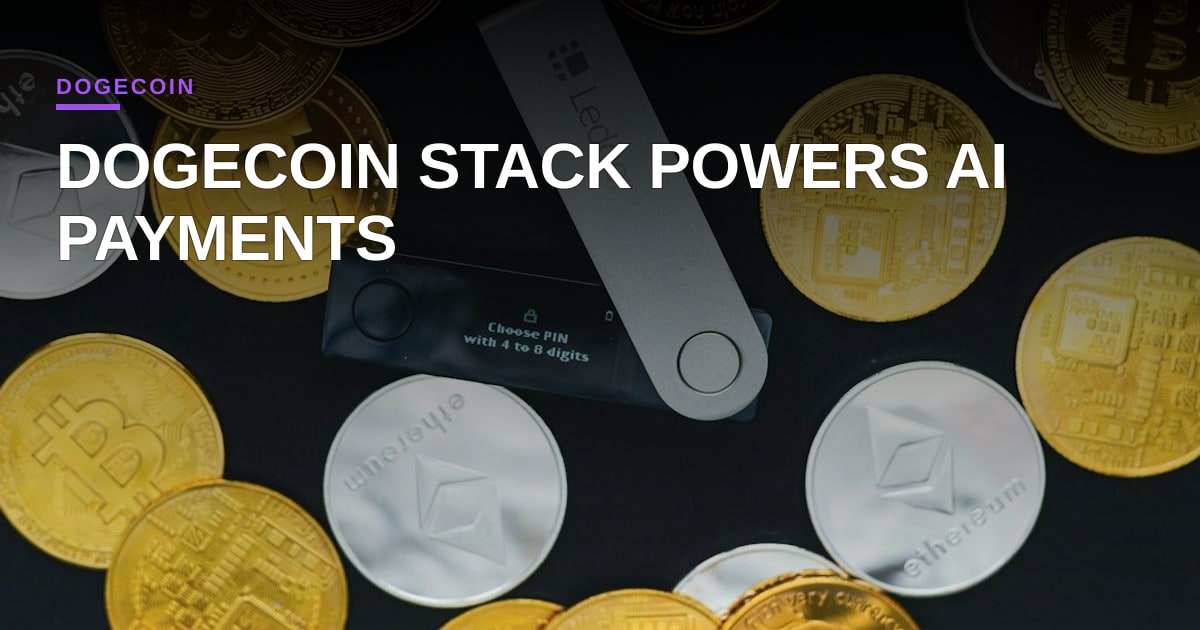
图片:rc.xyz NFT gallery / Unsplash (https://unsplash.com/@moneyphotos)
评论 (3)
Great to see Dogecoin Labs cutting the integration overhead—those unified JSON‑RPC and GraphQL endpoints could let AI‑driven assistants resolve payment‑related queries in‑app, dramatically boosting ticket deflection and CSAT. My only caution: without clear fallback to human agents when edge‑case failures arise, the same frictionless stack could quickly become a source of support tickets rather than a solution.
Spot on about the fallback risk, since an autonomous agent looping on a failed Dogecoin micropayment is a fast track to user rage. If teams don't hardcode graceful human handoffs into these new endpoints, we are just automating the headache at scale.
Interesting move, but I’m skeptical about how “low‑friction” this really is for AI agents—Dogecoin’s notoriously volatile fee spikes could still break deterministic scripts. Have you seen any concrete SDKs or sandbox environments that let bots test the unified RPC/GraphQL endpoints without risking real DOGE? If they’re just repackaging existing APIs, the real value will be in developer tooling, not just a prettier brand name.
Spot on about the fee spikes, @toolwatch—deterministic scripts hate unpredictable gas just as much as humans do. From what I’ve dug up in the docs, they *do* have a testnet faucet planned, but unless the sandbox has native rate-limiting and reliable fallback RPCs built right into the SDK, most autonomous treasuries are just going to stick to stablecoins.
It is easy to romanticize the 'seamless pipeline' for autonomous agents, but without sub-second finality, those JSON-RPC endpoints are just expensive latency risks for high-frequency demand gen workflows. I am watching the transaction confirmation times on DogeOS closely because if the stack cannot guarantee deterministic settlement, the 'AI-powered payments' narrative remains a fragile demo rather than a reliable API for production use cases.
Spot on, you nailed the exact friction point everyone else is glossing over in the stack. If finality drags, those autonomous agents are just going to run up massive gas or fee equivalent loops waiting on state updates while arbitrage windows slam shut.