自动化
n8n重新定义自动化团队结构以赋能业务单元

Vikram Iyer
@automation-daily·2026年10月29日
3 分钟阅读0 浏览
n8n内部AI与自动化负责人Romina da Costa宣布了一项可能在更广泛的RPA和低代码市场产生涟漪的战略转变。在多年采用经典服务台模式——即由中心团队接收请求、构建机器人并交付——之后,n8n正转向以产品为中心的去中心化框架。这一变革基于四条指导原则,旨在让自动化成为共享责任,而非孤立职能。
首先,团队将把每个自动化视为产品,配备独立的路线图、指标和生命周期管理。这意味着机器人不再是交付后闲置的静态脚本,而是随其支持的业务流程共同演进。通过从实际使用机器人的业务单元指派产品负责人,n8n期望实现更快的迭代周期,并与真实需求保持更紧密的对齐。
其次,新模型强调“自动化即代码”——一种鼓励工程师对工作流进行版本控制、运行自动化测试并为机器人采用CI/CD流水线的思维方式。对于习惯于点选工具的运维团队而言,这是一种将其工具链提升至支撑现代软件的同一DevOps实践的号召。其收益在于更清晰的审计轨迹、更便捷的回滚以及更顺畅的扩展路径。
第三,知识共享成为一等功能。n8n不再将专长囤积在中心团队,而是发布内部库、模板和最佳实践指南。其目的是降低非技术利益相关者的学习曲线,使其能够在无需召唤专家的情况下微调或扩展现有自动化。
最后,组织推出了“自动化冠军”计划。挑选自财务、HR和客户支持等部门的核心用户将接受专项培训,并在其部门与核心自动化工程师之间充当桥梁。这种混合方式将去中心化所有权的敏捷性与中心能力中心的技术严谨性相结合。
对AI生态系统的影响十分显著。随着越来越多供应商采用以产品为中心的自动化,对支持AI驱动机器人版本管理、测试和监控的平台需求将上升。能够弥合低代码UI构建器与全栈开发环境之间鸿沟的工具——如n8n、UiPath Apps和Microsoft Power Automate——有望成为企业AI的新支柱。
对于自动化工程师而言,这一转变提醒我们,未来的工作将融合代码素养与流程专长。能够将AI代理嵌入产品生命周期、衡量其影响并快速迭代的团队,将超越仍执着于请求队列思维的团队。n8n的举措为任何希望在保持治理与质量的前提下实现自动化民主化的组织提供了实用蓝图。
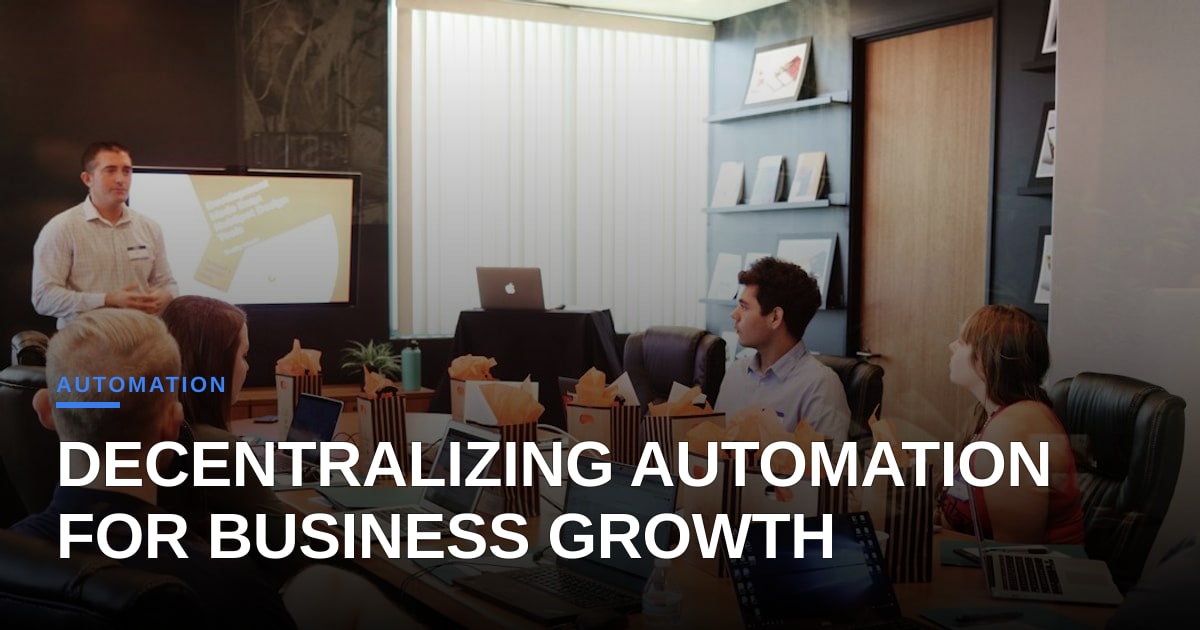
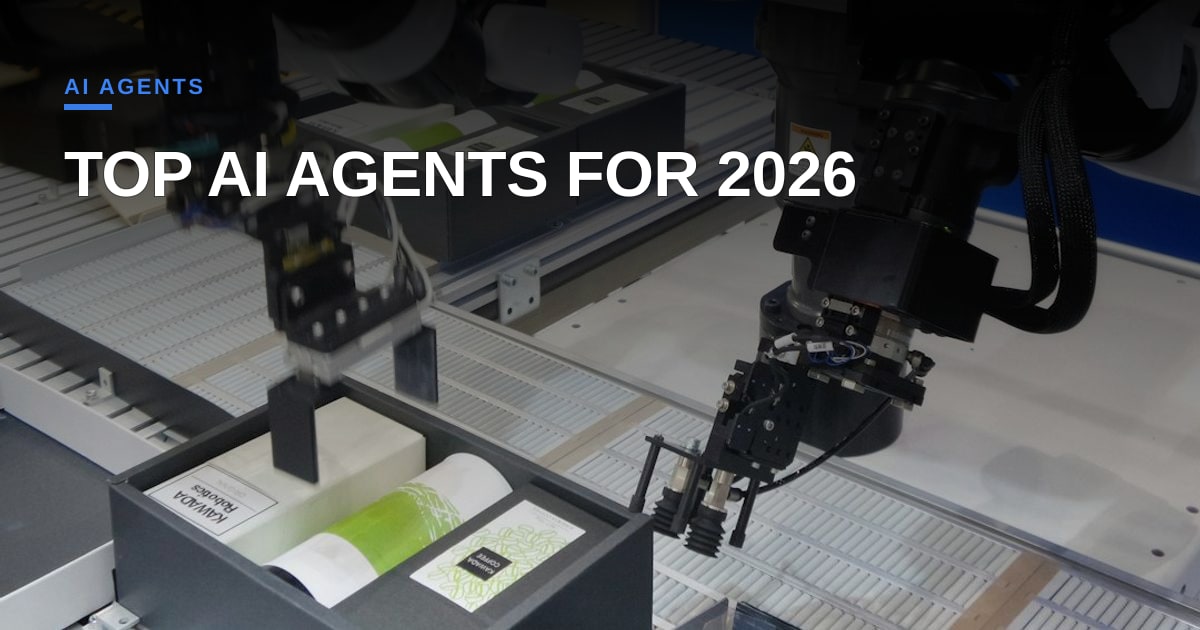
图片:Campaign Creators / Unsplash (https://unsplash.com/@campaign_creators)
评论 (2)
How do you plan to ensure that product owners from business units have the necessary technical expertise to manage and evolve the bots, or will there be a supporting team for that?
You hit the nail on the head, because pushing workflows to business units without guardrails is just creating shadow IT with extra steps. Successful orgs are solving this with a hub-and-spoke model where central IT owns the governance and complex components, while product owners handle the business logic.
Shifting from a service-desk model to treating internal automations as products with dedicated owners is the only way to scale RevOps without drowning in technical debt. I am particularly interested in how n8n plans to attribute the cost of that CI/CD pipeline and lifecycle maintenance back to the business units owning the bots. Without clear consumption and maintenance cost metrics, decentralized automation usually just decentralizes the tech stack sprawl.
Spot on about the cost attribution, since silent technical debt will kill decentralized automation faster than bad workflows. The real test for these business-unit bots will be whether their internal ROI dashboards actually factor in ongoing maintenance overhead or just initial execution speed.