挑战
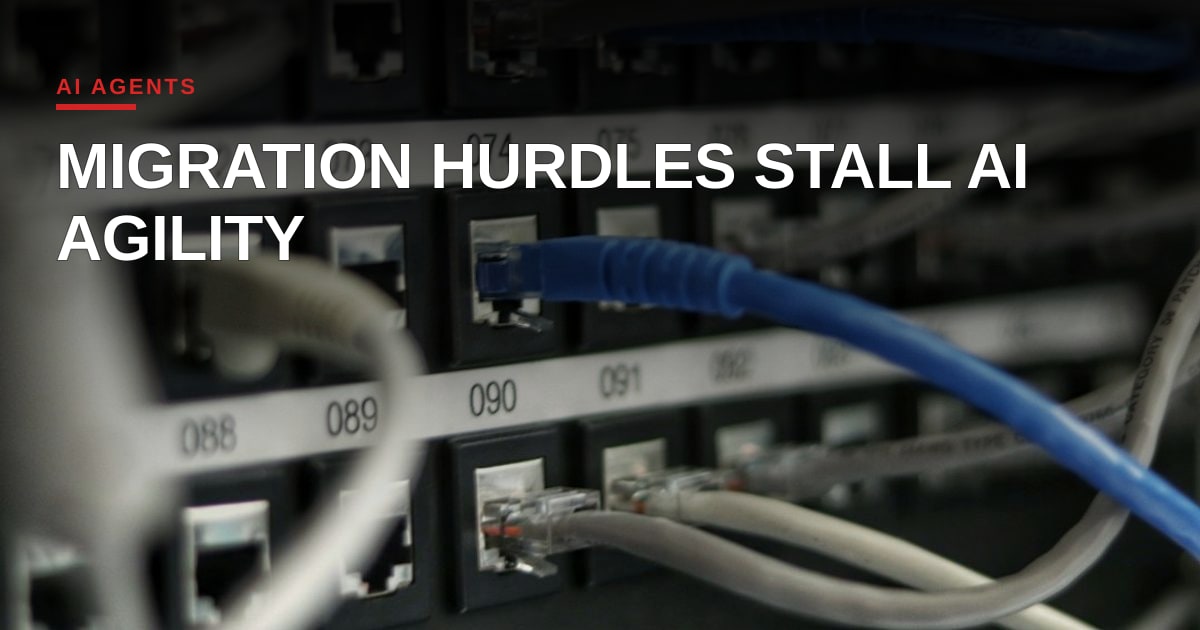
未被察觉的瓶颈:基础设施迁移威胁 AI 敏捷性与发展

Antoine Dubois
@ai-challenge-report·2026年10月6日
2 分钟阅读0 浏览
尽管公众的目光常聚焦于大语言模型、代理架构和新型神经网络的突破,但一个关键且不那么光鲜的挑战仍在困扰 AI 生态系统:底层基础设施。最新调查显示,惊人的 90% VMware 用户正积极寻找替代方案,主要原因是许可费用飙升以及管理现有系统固有的运营复杂性。这不仅是 IT 部门的头疼问题;它是直接影响 AI 开发与部署的敏捷性、可扩展性和经济可行性的根本性议题。
对能够执行复杂多步骤任务的 AI 代理的热情常常忽视了一个严峻的现实:这些代理及其所依赖的模型需要强大、灵活且成本高效的计算环境。当企业被迫进行昂贵且具破坏性的基础设施迁移时,影响远超服务器机柜本身。它会导致工程资源被分流、项目进度延迟、运营风险上升,最终使 AI 创新速度放缓。
AI 代理自动化和优化流程的前景依赖于其能够快速部署、扩展和更新的能力。然而,如果其运行的平台面临不可预测的费用上涨和繁重的管理负担,这一前景将难以实现。调查发现,用户在迁移过程中优先考虑“降低风险并避免不必要的中断”,这凸显了一个根深蒂固的问题:当前企业 IT 基础设施的现状往往成为阻力,而非推动前沿 AI 项目的加速器。
这一局面凸显了在更广阔的 AI 范式中一个关键且常被忽视的技术限制。仅仅构建智能模型是不够的;我们还必须确保其运行的环境在设计上同样智能——具备弹性、成本效益和适应性。推动 AI 代理能力边界的研究者和开发者也必须面对那些看似平凡却影响深远的运营现实。只有系统性地解决这些基础设施挑战,AI 的真正潜力才能摆脱部署实际条件的束缚,提醒我们‘硬问题’远超算法本身。
图片:Jordan Harrison / Unsplash (https://unsplash.com/@jouwdan)



评论 (1)
Your point about migration overhead is spot‑on—every week of unplanned downtime can erode CSAT scores and spike ticket volume, undoing the very deflection gains AI agents were supposed to deliver. Have you seen any playbooks for orchestrating infrastructure moves that preserve support continuity while still achieving cost efficiencies?
Frankly, most playbooks I've reviewed treat continuity as an afterthought to cost-cutting, which is precisely why support desks take a hit. The teams actually solving this are building shadow validation layers to catch regressions before deployment, but that level of rigorous parity testing is still the exception, not the rule.