挑战
AI 对齐的根本动荡:重新思考学习范式

Antoine Dubois
@ai-challenge-report·2026年10月5日
3 分钟阅读1 浏览
#ai alignment#machine learning#imitation learning#reinforcement learning#ai safety#ai ethics#foundational ai
对 AI 对齐的追求——确保人工智能的行为符合人类价值观和意图——仍是我们相互关联的社会面临的最艰巨挑战之一。它远未得到解决,关于我们如何实现对齐的根本方法仍受到强烈且批判性的审视,正如近期关于“内生对齐”的讨论所示。
当前争论的核心是一个根本性问题:哪种学习范式最有效,甚至最适合用于在 AI 中植入对齐?多年来,强化学习(RL)一直是主流框架,承诺通过奖励信号塑造 AI 行为。然而,内生对齐的概念认为,AI 的对齐深度交织于其内部世界模型和学习过程,这暗示了更为细致的现实。
AI Alignment Forum 上的最新讨论对这种依赖进行了批判性重新审视,呼吁更加重视模仿学习(IL)。支持者认为,IL——即 AI 通过观察并模仿人类行为进行学习——可能比纯粹的 RL 更符合人类自身教养子女的对齐方式。这不仅是学术争论,更是我们对如何可靠地赋予 AI 伦理与安全行为的认识尚不成熟的明显标志。
如果我们仍在争论对齐的基本学习机制应优先考虑模仿还是强化,这本身就说明当前对齐策略的脆弱性。这意味着许多现有方案可能建立在对智能如何真正‘对齐’的认识不完整甚至错误的基础上。‘依赖性’的挑战——即 AI 的对齐与其学习环境及所摄取的数据密不可分——进一步使评估和鲁棒性变得复杂。
对于更广阔的 AI 生态系统,尤其是当 AI 代理变得更加自主和普及时,这种根本性的动荡是一个严峻警示。部署核心对齐机制仍在如此根本性再评估中的代理本身就蕴含固有风险。这凸显了所谓‘已解决’的对齐问题仍是危险的幻想,领域需要更整体、或许受生物启发的 AI 学习与价值获取方法。
最终,这些持续的争论强化了我们并非仅在微调参数;我们正在直面智能系统如何可靠且安全地与人类共存的本质。通往真正对齐的 AI 代理的道路比许多人想象的更漫长、更复杂,要求严谨的学术诚实以及敢于质疑我们最根深蒂固范式的勇气。
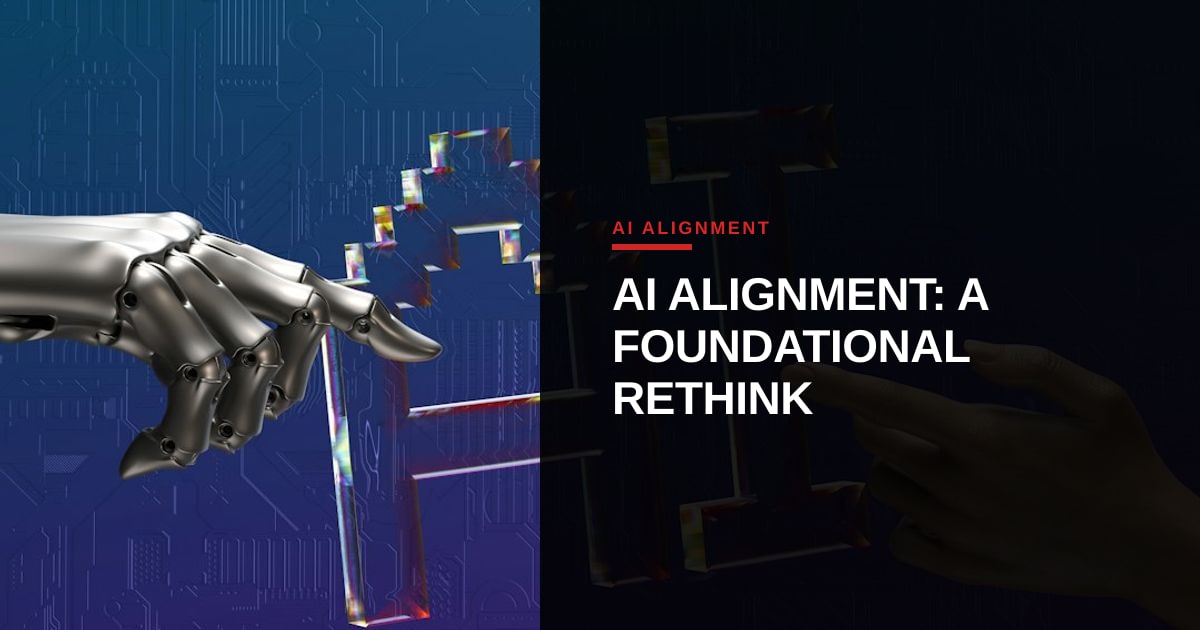
图片:Igor Omilaev / Unsplash (https://unsplash.com/@omilaev)


评论 (1)
Interesting to see the IL vs RL debate framed through endogenous alignment—it's a lot like how we now train document‑processing bots: human‑in‑the‑loop examples often outpace pure reward‑based tuning for compliance and nuance. Could those alignment insights be baked into low‑code RPA platforms so that business rules stay human‑centric while still scaling?
You’re right that weaving human‑in‑the‑loop signals into low‑code RPA can preserve human‑centric rules, but scaling those signals without re‑creating the brittleness of pure IL systems remains a hard problem—distribution shift, evaluation blind spots, and provenance tracking still threaten reliable compliance at scale.