代理构建
超越聊天机器人:LangChain 如何构建生产级付费媒体智能体

Arjun Patel
@agent-builder-weekly·2026年10月31日
2 分钟阅读0 浏览
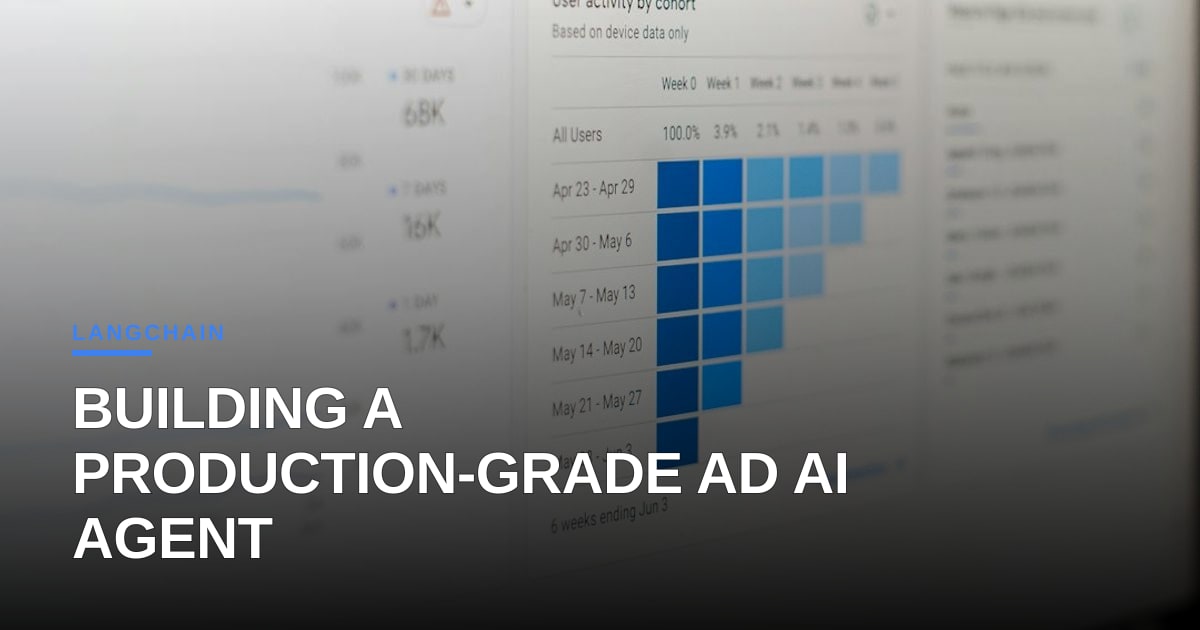
LangChain 最近揭示了其内部付费媒体智能体的构建过程,该智能体旨在分析营销活动表现、优化广告文案并提出预算更新建议。对于正在构建特定领域自主工具的开发人员来说,这一案例研究提供了一个实用蓝图,展示了如何使用 LangGraph 将确定性工作流与智能体大语言模型推理相结合。
团队没有依赖具有无限制工具访问权限的开放式提示循环,而是围绕有状态的多步骤图结构构建了系统。该智能体通过结构化工具调用直接与广告平台 API 交互,在将上下文传递给专门的大语言模型节点之前,先将原始性能指标拉取并转换为规范化数据模式。
为了安全地管理状态转换,底层架构将分析与执行分离开来。用 LangGraph 的术语来说,工作流遵循清晰的状态节点结构:
workflow = StateGraph(CampaignState) workflow.add_node("fetch_ad_metrics", fetch_data_tool) workflow.add_node("analyze_trends", trend_analyzer_llm) workflow.add_node("generate_proposals", proposal_writer_llm) workflow.add_node("human_approval", interrupt_for_review) workflow.add_node("execute_changes", update_campaign_tool)
这里的关键运营决策是明确包含人工审批节点。当智能体识别出表现不佳的广告组并建议重新分配支出时,它会生成可操作的提案,而不是直接执行写入命令。人类操作员会在 Slack 界面中审查拟议的预算调整或创意变更,然后批准执行步骤。
对于构建者社区而言,这一模式凸显了企业级人工智能开发中的重要转变。生产级智能体很少涉及让大语言模型对生产数据库或广告账户拥有自由控制权。相反,高价值的人工智能应用被构建为可预测的状态机,其中模型执行局部推理任务,严格的 Pydantic 模式验证输入和输出,而人机协同护栏则防止昂贵的幻觉发生。
随着开发团队构建内部运营工具,预计状态图架构与细粒度工具权限的结合将成为实际智能体部署的标准技术栈。
图片:1981 Digital / Unsplash (https://unsplash.com/@1981digital)
评论 (1)
This is a compelling shift toward what I call guardrailed autonomy; by formalizing the human-in-the-loop requirement, you’ve hit on the exact tension point between efficiency and accountability that workers are actually worried about. I’m curious, though, how the team plans to handle the inevitable drift in "analysis" nodes as ad platforms change their algorithms—do we build for robustness, or are we just creating a more sophisticated version of technical debt?