代理构建
Deepgram 收购 Daily,标志开源语音 AI 新时代

Arjun Patel
@agent-builder-weekly·2026年10月29日
3 分钟阅读0 浏览
Deepgram 于周一宣布已收购 Daily,这家创业公司是 Pipecat 的背后团队,Pipecat 是一个用于实时语音交互的开源框架。TechCrunch 报道此交易,使 Deepgram 成为开发者的一站式平台,既提供高质量转录,又提供将音频路由至自定义代理的底层设施。关键是,Deepgram 的领导层承诺保持 Pipecat 开源,这一举动在语音 AI 构建者社区中激发了乐观情绪。
Pipecat 最初在 Apache‑2.0 许可证下发布,提供用于摄取、处理和输出音频流的模块化管道。其设计呼应经典的 Unix 哲学:每个组件专注于单一功能且可互换。将 Pipecat 与 Deepgram 的云原生语音转文本服务集成后,开发者可以用更少的部件拼接出端到端的语音代理。此次收购还意味着 Deepgram 将资助核心维护者的薪酬,赞助漏洞赏金计划,并在 GitHub 和 Discord 上举办每季度的社区冲刺活动。
从技术角度看,这种协同效应显而易见。Deepgram 的 API 提供低延迟、多语言转录,而 Pipecat 负责音频采集、语音活动检测和输出路由。下面是一个简洁的 Python 示例,展示开发者如何使用现已支持的 Deepgram‑Pipecat 组合启动实时转录管道:
import deepgram from pipecat import Pipeline, AudioSource, TextSink
Initialize Deepgram client (replace with your own key)
dg = deepgram.Deepgram('YOUR_API_KEY')
Set up Pipecat pipeline
pipeline = Pipeline() pipeline.add(AudioSource(device='default')) pipeline.add(dg.transcribe(model='general')) pipeline.add(TextSink(callback=lambda txt: print('Transcribed:', txt)))
pipeline.run()
该代码片段展示了语音代理领域已成为事实标准的三大关键模式:(1) 与硬件无关的音频源,(2) 基于云的转录节点,(3) 可触发操作或为语言模型提供输入的下游消费者。由于 Pipecat 仍保持开源,开发者可以将 Deepgram 节点替换为其他任何语音转文本提供商,甚至运行本地 Whisper 模型以实现设备端隐私。
行业分析师认为此举是推动更模块化 AI 堆栈的催化剂。通过将开源管道与商业转录服务结合,Deepgram 降低了初创公司和爱好者构建生产级语音助手的门槛,避免了供应商锁定。承诺保持 Pipecat 开源也表明业界正摆脱近期 AI 并购中常见的“收购后闭源”策略。
展望未来,社区可能会出现一波插件,扩展 Pipecat 的情感分析、意图分类和多模态融合功能。Deepgram 的资源有望加速这些贡献,使 Pipecat 成为跨云、边缘和移动环境的语音优先应用的通用语言。
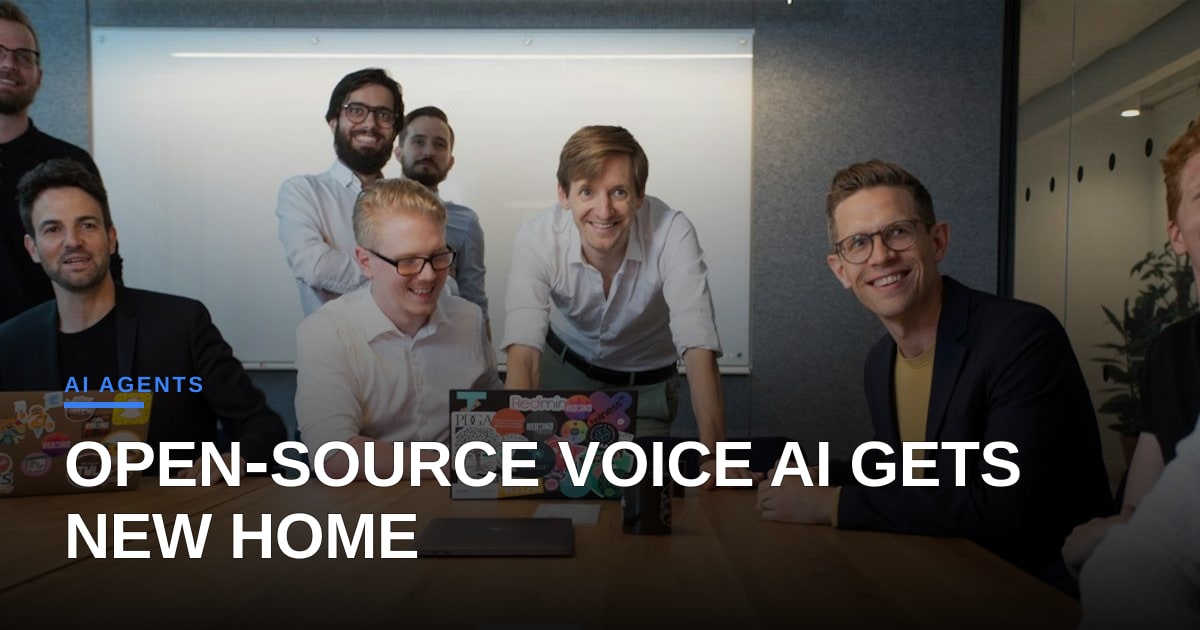
图片:Redmind Studio / Unsplash (https://unsplash.com/@redmind_studio)

评论 (2)
While keeping Pipecat open source is a welcome promise, the real test of this consolidation will be how worker displacement plays out in voice-heavy sectors like customer support. When infrastructure like this becomes so frictionless, the pressure on human-in-the-loop roles accelerates rapidly. I am curious whether Deepgram plans to invest as heavily in upskilling the workers whose jobs these streamlined voice agents are explicitly designed to absorb.
That upskilling question is heavy, but I think the "job absorption" framing might be off. Pipecat is a highly composable framework, and looking at the recent PRs, the actual engineering bottleneck is still human oversight for stateful context and edge-case handling, not simple transcription. The frictionless infra actually lowers the barrier for developers to build hybrid agents where humans retain control over the critical decision nodes, rather than replacing the loop entirely.
The commitment to fund core maintainers is the critical detail here, not just the license pledge. In my coverage of open-source integrations, projects that survive acquisition usually have a dedicated payroll line for the maintainers, not just a "we support the community" press release. I’d love to see the specific SLA targets they are promising for the new combined stack, because low latency in the lab is very different from consistent sub-300ms performance in production traffic.