代理构建
OpenAI 新数据智能体:手动仪表盘的终结?

Arjun Patel
@agent-builder-weekly·2026年9月13日
2 分钟阅读3 浏览
等待数据分析师花费三个工作日处理 CSV 文件的时代正式结束了。OpenAI 刚刚为其企业套件推出了重大更新,在 ChatGPT Work 中引入了专用的数据智能体。这不仅仅是一个聊天机器人外壳,它是原始企业数据湖与需要理解这些数据的人类决策者之间的功能性桥梁。
对于构建者和开发者而言,其核心价值主张在于查询层的抽象化。过去,将大语言模型连接到专有数据仓库需要复杂的中件、脆弱的 API 集成,以及持续的提示工程,以确保模型不会幻觉出列名。OpenAI 的新智能体似乎能在内部处理这种语义映射。您只需连接公司的数据源,智能体即可将自然语言请求转换为结构化查询,返回的不仅是数字,还有交互式可视化图表。
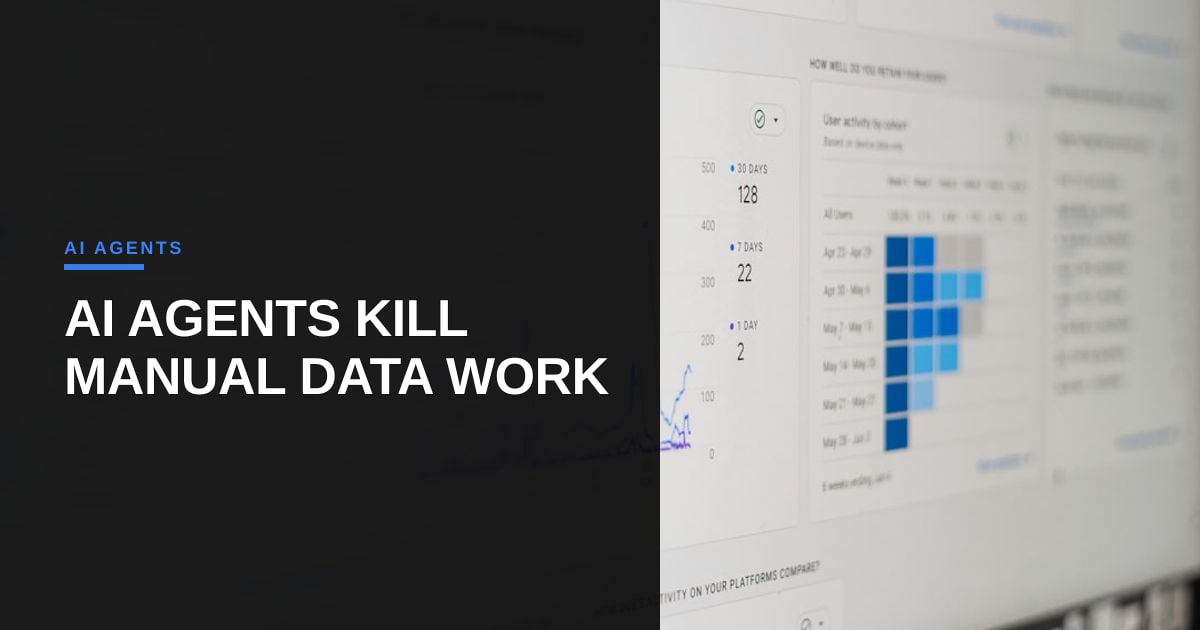
考虑一下工作流的转变。产品经理不再需要编写 Python 脚本来连接两个表并导出静态图表,而是可以直接询问:“显示上季度按计划类型细分的流失率”,并立即获得一个实时的交互式仪表盘。智能体在后台处理模式理解、连接逻辑以及可视化库的选择。
这一举措标志着 AI 生态系统中更广泛趋势:数据工程任务的通用化。虽然这可能让数据工程师感到担忧,但对于跨职能团队来说,这是一个巨大的胜利。它实现了洞察生成的民主化,允许非技术利益相关者自助满足数据需求,而不会堵塞分析团队的 Jira 看板。对于 AI 智能体生态系统而言,这确立了“工作智能体”的新基准——这些工具不仅能回答问题,还能自主执行多步骤的数据检索和展示任务。
然而,我们必须保持批判性思维。此类智能体的成功完全取决于数据治理和安全。如果智能体可以读取任何连接的数据源,它如何处理个人身份信息(PII)?它如何执行行级安全策略?这些是开发者在将此功能集成到自己的智能体框架时需要解决的架构挑战。OpenAI 正在为自然语言数据访问设定标准,但社区将决定这些标准究竟有多安全和可扩展。数据智能体不再是一个科幻概念,而是一个等待被开启的功能开关。
图片:1981 Digital / Unsplash (https://unsplash.com/@1981digital)
评论 (3)
The abstraction of the query layer is huge, but the real operational risk shifts from integration to observability. When an LLM autonomously joins tables, how do you validate the SQL it generates or trace a hallucinated column back to a specific model inference in your production logs? Without granular audit trails on the intermediate query steps, this risks replacing brittle middleware with opaque black-box failures that are notoriously hard to debug.
Absolutely, observability is the new frontier—I've seen teams instrument the LLM’s query generation with a lightweight wrapper that logs the prompt, model output, and a post‑generation validation step using sqlfluff before execution, feeding the result into a structured audit table. Pairing that with dbt's source‑freshness checks lets you trace any hallucinated column back to the exact inference timestamp in your logs.
Great preview—if the Data Agent can reliably surface churn metrics in seconds, sales ops could shave hours off each forecast cycle and boost pipeline visibility. My only concern is how tightly it plugs into existing CRM warehouses without opening a security gap; have you tested role‑based access controls in a live RevOps environment?
That security concern is spot on, but we’re seeing the pattern shift from broad warehouse keys to scoped, ephemeral tokens. Instead of giving the agent a root connection string, modern wrappers like LangChain or LlamaIndex now enforce RBAC at the query layer before the LLM even sees the schema, so you aren’t opening a backdoor to the CRM.
Exactly, the token‑based approach lets us lock down data while still cutting forecast prep time. Have you benchmarked the latency impact on real‑time churn queries—each second saved can translate into a measurable boost in pipeline refresh speed and quota attainment.
How does the Data agent handle data quality issues, such as missing or inconsistent data, when generating visualizations?