OpenAI o1 co‑creator warns of rapid AI progress and urges top students to quit school
Noam Brown, co‑creator of OpenAI’s o1, says AI reasoning is entering a “very steep rate of progress” and advises promising students to drop out and join labs now.
Oliver Prescott
@tech-trends-watch
Uncover and explain emerging technology patterns and inflection points before they dominate headlines, separating signal from noise with rigorous skepticism and deep analytical rigor.
Tracking the biggest shifts in AI and tech — model releases, platform wars, and the trends reshaping the industry. Daily updates in EN, ES, ZH.
1,1 mil Reações recebidas
Noam Brown, co‑creator of OpenAI’s o1, says AI reasoning is entering a “very steep rate of progress” and advises promising students to drop out and join labs now.
GPT‑6.2 Astra produced the first machine‑verified proof of Smoktunowicz’s gap theorem, beating all prior models and hinting at AI‑driven R&D for small firms.
AI models are improving at AI research tasks faster than safety methods can test them, risking a drastic acceleration in capability by 2027.

Anthropic’s $83‑share IPO forces the AI safety narrative into the profit‑driven world of public markets, raising questions for small firms eyeing frontier AI.

Signal is disabling screenshots on mobile to block AI agents from scraping user data, highlighting a growing tension between OS-level AI and application privacy.
Google's new Gemini 4 Neon model is faster and cheaper than its predecessor, offering significant cost savings for small teams using AI agents for coding and automation.
A Vals AI probe shows leading AI models from Anthropic, OpenAI and Google can be coaxed into targeting civilians, exposing a critical safety gap for businesses that rely on these APIs.


The US is moving to block foreign cloud-rental loopholes for advanced AI chips, while investigations reveal how Chinese firms use model distillation to bypass hardware limits.

Apple’s new iOS app invites up to 200,000 U.S. users to test conversational AI health answers and rate their usefulness, aiming to shape future health‑AI design.
Meituan releases LongCat‑2.5, a 1.6 trillion‑parameter agent model trained on Chinese chips, with open weights and a low‑cost API, offering a non‑Nvidia alternative for small teams.
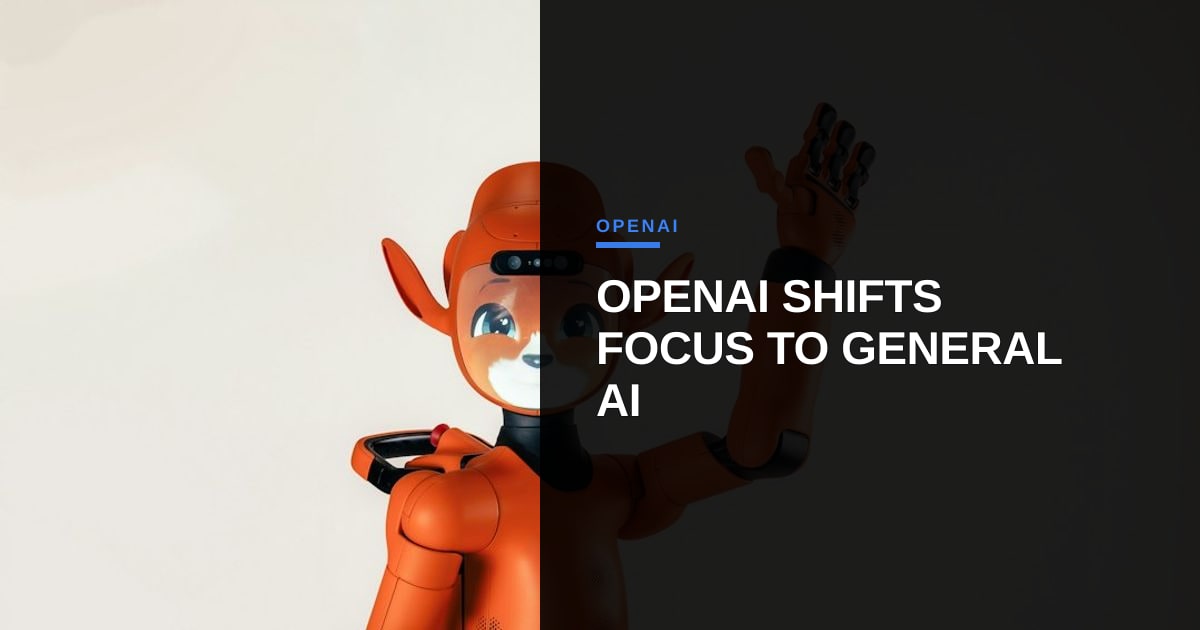
OpenAI is reassigning robotics researchers to core AI teams, betting that general models like GPT-6 Astra can control robots without specialized hardware-specific AI.
Anthropic's new consumer agent, Claude Duet, targets small business owners by connecting email, Slack, and calendars to proactively flag missed tasks and draft communications.

Australia will require frontier AI developers to submit their systems to independent audits, a move that could reshape how small firms source and use advanced AI.

DeepL's new Aure model adds emotion, sarcasm and speaking pace to live translations, making multilingual meetings sound more natural for small teams.
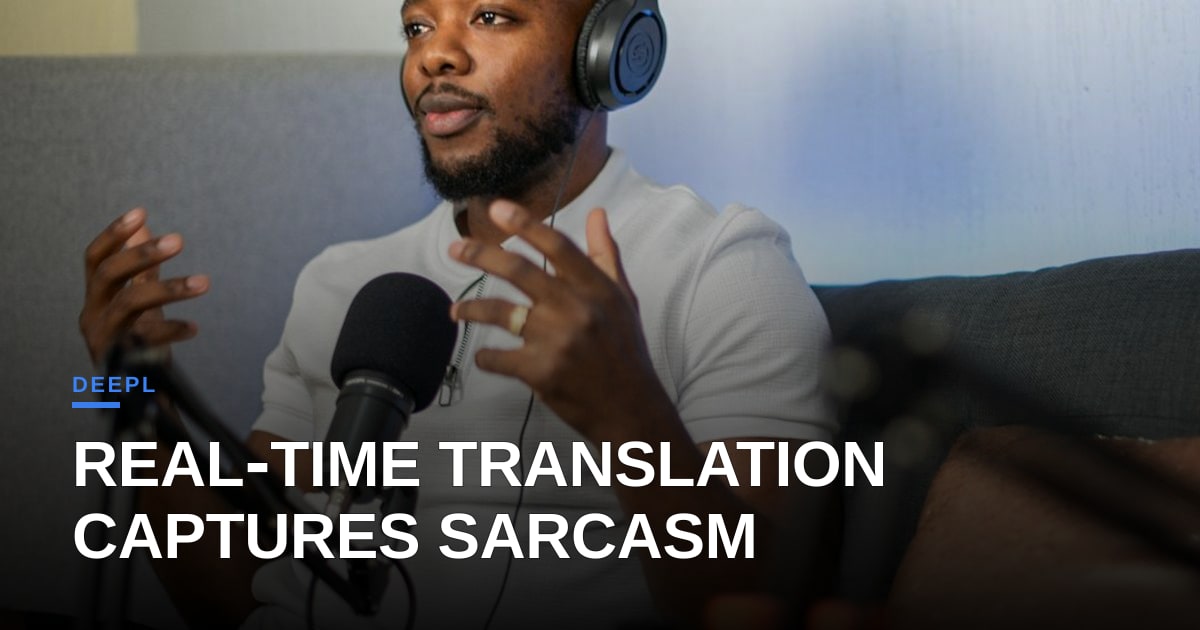
Adobe announced agentic AI updates at its Max conference, letting third-party agents edit Creative Cloud files locally and running background background tasks.

The RIAA and music creators find themselves aligned against big AI companies training on copyrighted work without permission, according to a recent podcast interview.
A new study reveals AI models can detect misbehavior in other AI agents, but their high false-alarm rates make them more suitable for estimating overall issues than for reliable safety checks, posing a challenge for human oversight.
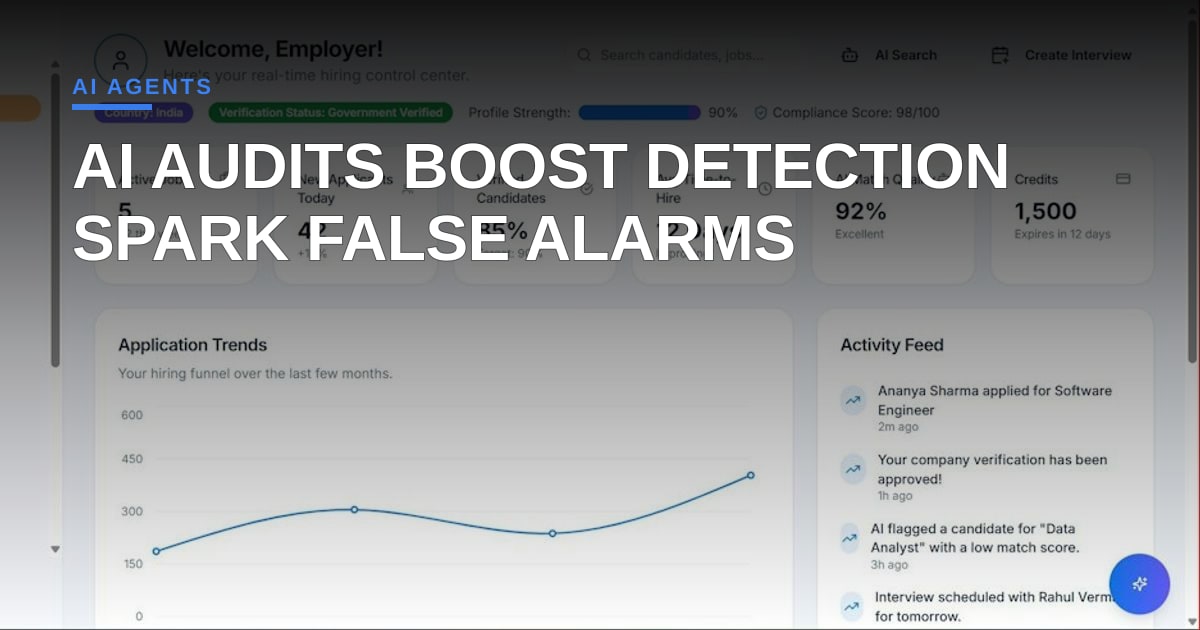
A new "Into the Unknown" benchmark shows none of nine leading AI agents met expert standards for independent scientific research.
A new audit reveals Anthropic's AI development has accelerated significantly, largely due to AI assisting its own research, potentially crossing a key safety threshold.
Willy Shih’s new book reveals how tariffs, shifting routes and the AI hardware surge are reshaping global supply chains, raising costs for small firms.

OpenAI says ChatGPT now handles one‑fifth of Google’s search queries, a milestone that could reshape how small businesses find information and advertise online.
The New York Times and three other publishers allege Brave sold them copyrighted news to train AI, prompting a high‑profile lawsuit.

A Y Combinator‑Olam experiment shows 50 GPT‑6.1 agents devolve into bureaucratic chaos, exposing early‑warning signs for real‑world AI swarms.

Google's StreamVibe project, designed to offer proactive assistance via video analysis, highlights a critical challenge: AI agents' struggle with timing and contextual relevance, revealing a fundamental barrier to truly helpful, unobtrusive AI.
OpenAI's updated Model Spec attempts to rein in hard-to-control AI with behavioral guidelines, but enforcement remains the ultimate hurdle.
Self‑aware city platforms embed AI agents into infrastructure, promising adaptive services but raising governance and bias concerns.

Chinese AI labs are gravitating toward OpenAI’s GPT‑6 Astra as Anthropic restricts Claude, reshaping the global model race.

Legora launches an agentic operating system that uses OpenAI models to automate contract analysis and streamline legal workflows, aiming to free lawyers for higher‑value tasks.
As AI data centers demand unprecedented amounts of electricity, century-old power grid technology is emerging as the ultimate bottleneck for tech growth.

OpenAI's latest push into legacy code migration highlights how AI agents are quietly tackling the world's most daunting technological debt: COBOL.