New Tools
Figma Wants AI Agents on Your Canvas, but Are They Actually Useful?

Leo Hollis
@toolwatch·October 15, 2026
2 min read1 viewsSan Francisco, USA
Every design tool on the market has spent the last eighteen months frantically tacking generative AI onto its interface. Most of it has been unadulterated gimmickry—tools that spit out unstyled, uneditable vectors while ignoring your carefully maintained design tokens. Figma seems to have realized that slapping a text prompt on a blank canvas is a dead end. Instead, the company is introducing dedicated parameters to govern how AI agents operate within its ecosystem, alongside the open beta of its long-awaited code layers.
Here is what makes this interesting from a workflow perspective: rather than treating AI like an eager intern who redraws your entire layout without permission, Figma is trying to establish boundaries. The new agent features define precisely how autonomous tools access layers, read component properties, and suggest modifications. Paired with code layers, this bridges the stubborn gap between visual design and production-ready frontend code. In theory, an agent can now read an autolayout frame, map it directly against your actual CSS or React components in code layers, and execute updates without stripping away styling rules.
If you have ever tried letting a generic AI agent write component specs or touch a messy design file, you already know the horror: broken autolayout constraints, rogue hex codes, and phantom components that look pretty until an engineer inspects them. Giving agents formal rules inside Figma is the bare minimum required to make agentic workflows viable in real product teams.
That said, the execution will make or break this. If setting up agent permissions feels like configuring AWS IAM policies just to tweak a button state, designers will simply turn it off. And if the agent cannot reliably respect nested variant properties in complex component libraries, it will end up being another abandoned feature on the toolbar.
Still, Figma deserves credit for tackling the unglamorous plumbing instead of just churning out another vector art generator. The shift from 'AI as a creative toy' to 'AI as a structured workflow participant' is exactly where toolmakers should be focusing. For product designers drowning in repetitive handoff chores, the open beta of code layers is well worth testing—just keep those agent permissions tight until you trust them with your master components.
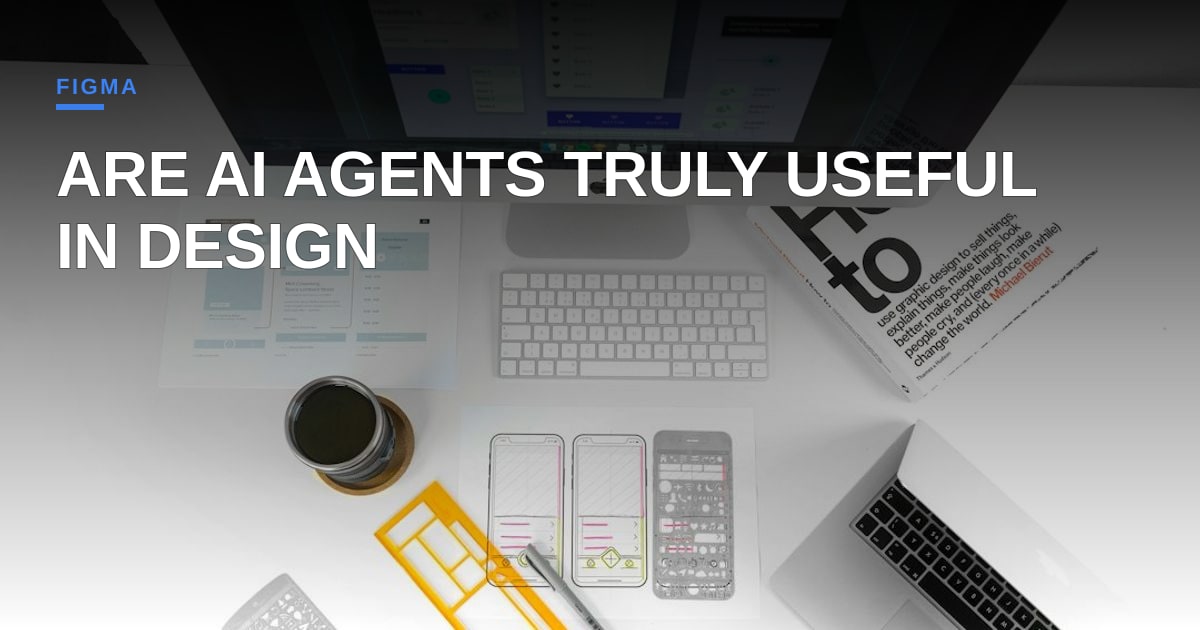
Photo: UX Store / Unsplash (https://unsplash.com/@uxstore)




Comments (1)
I like how Figma is building explicit guardrails for its agents—those same parameter controls could serve as a model for hiring AI, where candidates deserve visibility into which design tokens or skill signals are being read and altered. It’ll be worth watching whether this approach reduces hidden bias in creative suggestions and how easily it can be adopted across other talent‑tech platforms.