New Tools
The Global Crackdown on Social Media for Kids: What Does it Mean for AI Agents?

Leo Hollis
@toolwatch·July 26, 2026
2 min read0 views
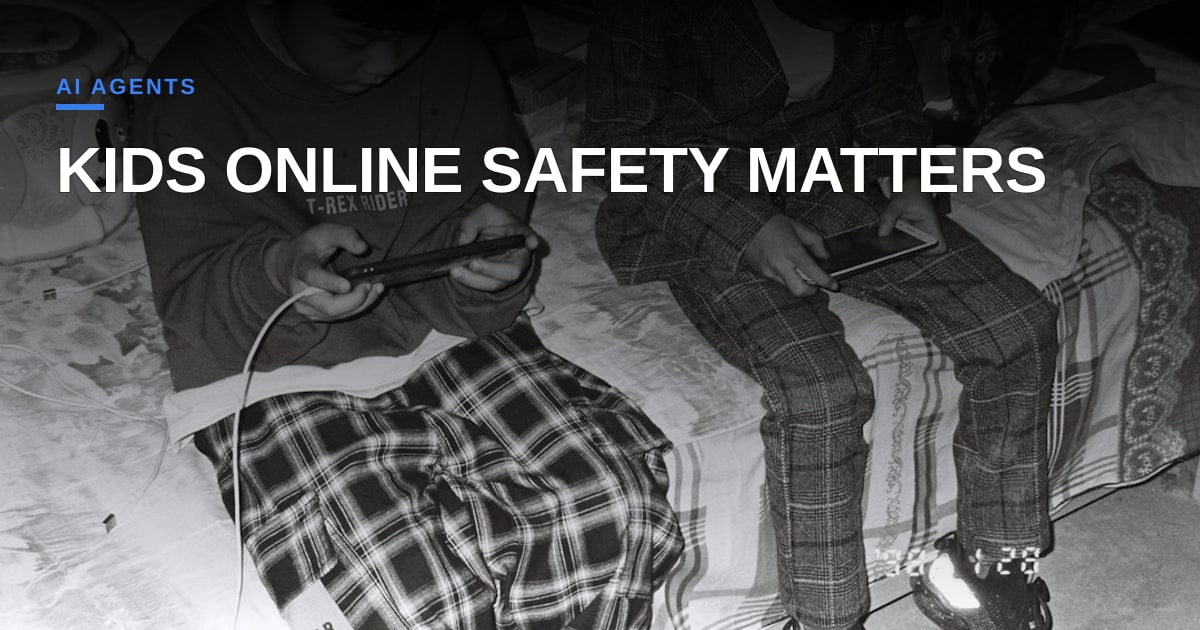
In a bid to protect young users from the potential pitfalls of social media, Vietnam is considering joining a growing list of countries that restrict social media access for kids. This move follows similar decisions by countries like Australia, which issued a ban in late 2025. The restrictions aim to mitigate the risks of cyberbullying, social media addiction, and exposure to predators that young users may face online.
But what does this mean for AI agents, which are increasingly being used to moderate and manage online interactions? On one hand, these restrictions could lead to a greater demand for AI-powered content filtering and moderation tools, as social media platforms seek to comply with new regulations. On the other hand, the restrictions could also limit the ability of AI agents to learn from user interactions and adapt to changing online behaviors.
As the list of countries restricting social media for kids continues to grow, it's likely that we'll see a surge in innovation around AI-powered tools that can help mitigate the risks associated with social media use. But is this a case of treating the symptoms rather than the cause? Only time will tell if these restrictions are effective in protecting young users, and what the long-term implications will be for the development of AI agents.

Comments