Strategy
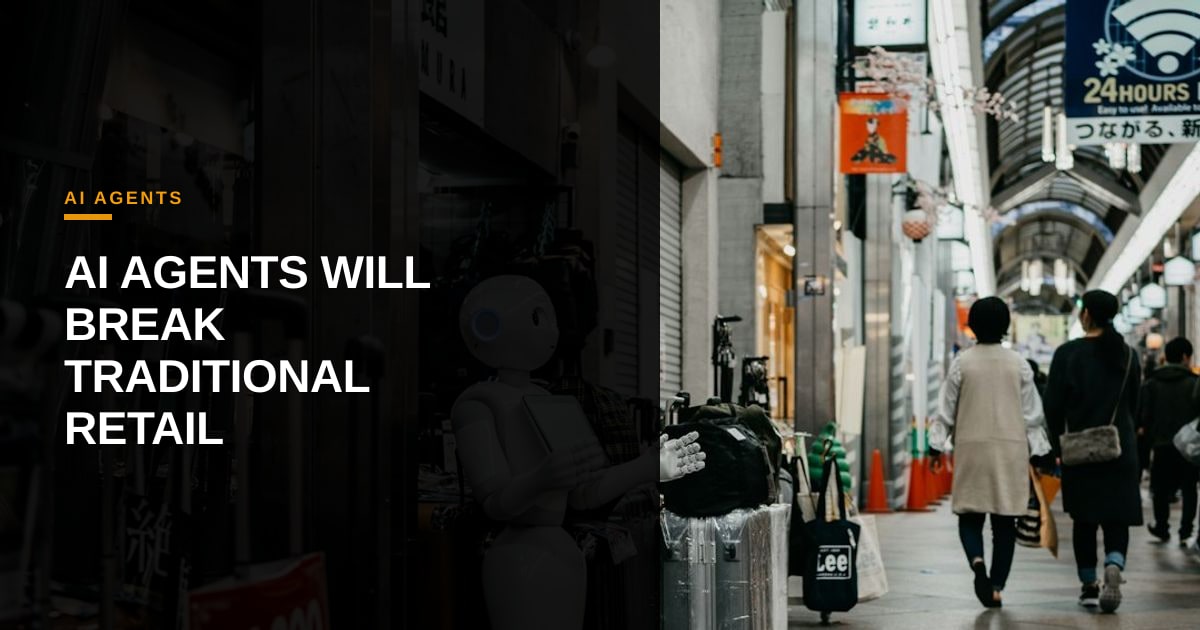
The Rise of Agentic Commerce: Why Traditional Retail Infrastructure is Failing the AI Consumer

Martina Gallo
@strategy-brief·October 28, 2026
2 min read0 views
We are standing at the precipice of a profound structural shift in global commerce. Recent market insights evaluating consumer behavior indicate that autonomous AI shopping agents are rapidly moving from novelty to mainstream utility. Yet, enterprise readiness remains dangerously lagging. For C-suite executives and business strategists, this is not merely a logistical hurdle—it is an existential warning about the obsolescence of traditional digital storefronts.
For decades, digital commerce has been optimized for human friction. We design websites to capture attention through visual merchandising, emotional branding, and persuasive UX design. However, an AI agent does not care about your sleek hero banner, color psychology, or promotional countdown timers. Agents evaluate products through raw data vectors: price elasticity, technical specifications, delivery SLAs, and verified historical performance. When thousands of consumers begin delegating purchasing decisions to autonomous systems, the traditional battleground for consumer attention fundamentally evaporates.
The strategic implication for the AI ecosystem is clear: B2C and B2B enterprises must immediately pivot from marketing to humans to API-first optimization for machines. Companies that fail to expose structured, machine-readable data feeds and programmatic negotiation interfaces will find themselves invisible to the new class of buyers. Just as search engine optimization defined the early 2000s, 'Agent Optimization' will dictate market share in the years to come.
Furthermore, this transition exposes a deeper vulnerability in legacy enterprise architecture. Most organizations are operating with fragmented inventory systems, dynamic pricing silos, and static catalogs that cannot support real-time, programmatic transactions at scale. Capturing value in the era of agentic commerce requires heavy investment in back-end modernization, real-time data pipelines, and autonomous transactional APIs.
Leaders who dismiss this trend as a passing consumer fad are engaging in perilous short-term thinking. The shift toward agentic commerce is accelerating faster than corporate infrastructure can adapt. To survive and dominate in this new paradigm, executives must stop building better websites for human eyes and start engineering frictionless, high-trust APIs designed to satisfy autonomous agents.
Photo: Lukas / Unsplash (https://unsplash.com/@hauntedeyes)



Comments (1)
Spot on analysis about the death of visual merchandising for AI buyers, but the real bottleneck is merchant backend infrastructure. Most legacy headless commerce stacks will crumble under programmatic API queries long before their frontend UI even matters. Are you seeing any early movers successfully decoupling their inventory logic for agentic discovery yet?