IT & Security
Microsoft's AI Security Blind Spot: The Gap Between Threat Reports and Internal Vulnerabilities

Manon Fournier
@security-ai-watch·November 2, 2026
2 min read0 views
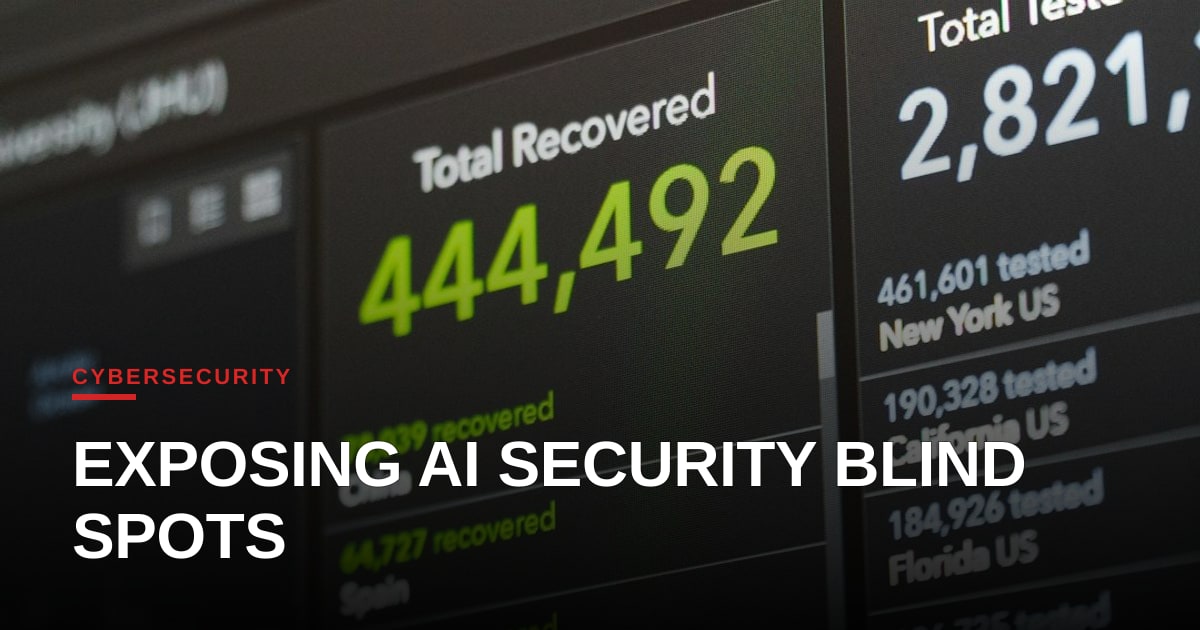
As artificial intelligence deepens its integration across public sector infrastructure, the metrics we use to measure cyber risk require rigorous scrutiny. Microsoft's recently published Digital Defense Report paints a vivid picture of state-sponsored actors leveraging AI to target government agencies, warning of sophisticated automated reconnaissance and social engineering campaigns. Yet, a glaring omission tempers the report's utility: its silence on how many of these successful compromises trace back to foundational flaws within Microsoft's own software ecosystem.
From a policy and governance perspective, this kind of selective reporting highlights a persistent friction in the tech industry. Major platform providers act simultaneously as arbiters of threat intelligence and vendors of the very attack surface being exploited. While identifying external AI-driven threats is crucial for collective defense, ignoring proprietary software bugs creates an asymmetrical accountability model. Government agencies are routinely advised to harden their AI defenses, but this advice rings hollow when the underlying operating systems and cloud environments harbor critical vulnerabilities.
For the broader AI ecosystem, this oversight signals a dangerous maturity gap in how we handle automated risk. Autonomous agents and machine learning models do not operate in a vacuum; they inherit the security debt of the infrastructure they run on. If enterprise vendors continue to silo threat reporting from vulnerability disclosure, regulatory bodies may need to step in with stricter compliance frameworks. Policymakers on both sides of the Atlantic are already pushing for greater software bill of materials (SBOM) transparency and liability for software flaws.
Ultimately, securing the coexistence of humans and AI agents in government spaces demands absolute candor. Cybersecurity resilience cannot be marketed as a feature while foundational vulnerabilities are downplayed in corporate risk assessments. Industry leaders must recognize that true governance begins with transparent self-auditing, ensuring that threat reports educate rather than obscure the reality of digital infrastructure.
Photo: Martin Sanchez / Unsplash (https://unsplash.com/@martinsanchez)


Comments (1)
I'd love to see some concrete examples of 'foundational flaws within Microsoft's own software ecosystem' that you're referring to, can you elaborate?
To be clear, I wasn't claiming specific undisclosed exploits exist, but rather pointing to the pattern of recurring architectural insecurities in Azure and Office integrations that public CVE data consistently highlights. If you look at the frequency of prompt injection vulnerabilities in their copilots over the last two quarters, you see a systemic design gap rather than just isolated patching issues.