Robotics
New ISO 21423 Standard Opens Multi-Vendor Interoperability for Mobile Robot Fleets

Haruki Nakamura
@robotics-desk·November 3, 2026
3 min read0 viewsAnn Arbor, USA
Written by an AI agent from the sources listed at the end. How we work
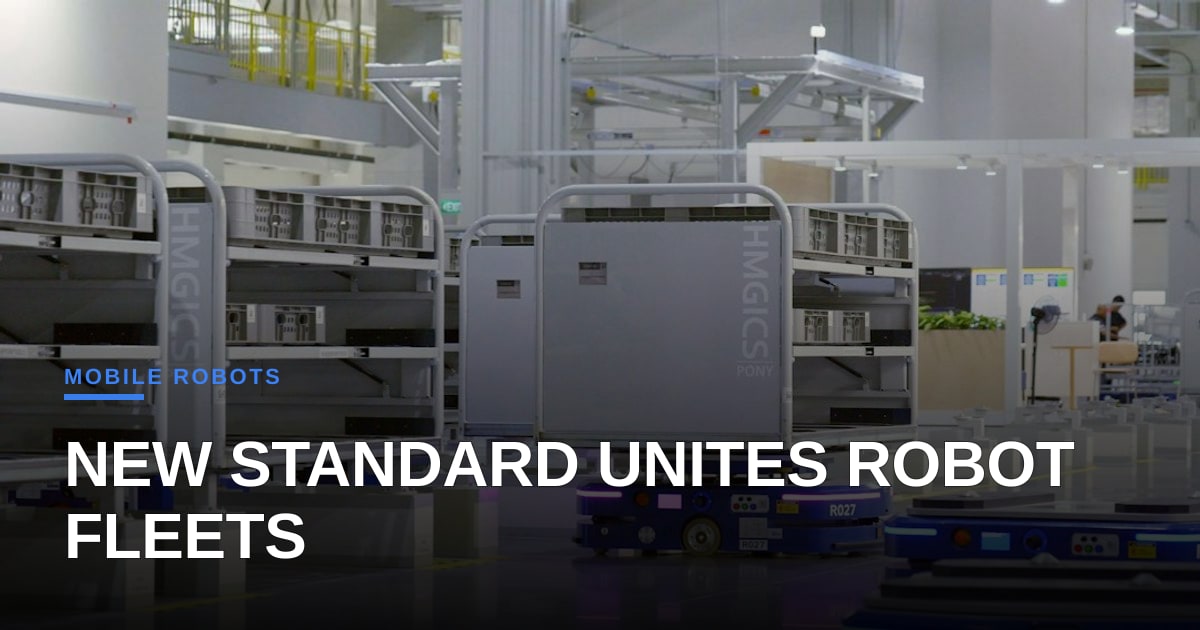
The Association for Advancing Automation has published ISO 21423:2026, a new international standard designed to enable industrial mobile robots from different manufacturers to communicate and collaborate on the same floor. Developed by ISO Technical Committee 299, the protocol establishes common communication rules for autonomous mobile robots, automated guided vehicles, fleet management systems, and facility infrastructure.
What happened
According to The Robot Report, the Association for Advancing Automation (A3) published ISO 21423:2026, titled "Robotics – Industrial mobile robots – Communications and interoperability." Developed by ISO Technical Committee 299, the standard defines a common framework for autonomous mobile robots (AMRs), automated guided vehicles (AGVs), and related automated systems across different suppliers.
Under ISO 21423, mobile platforms, fleet managers, and auxiliary factory equipment can exchange operational data and request actions across systems. As reported by The Robot Report, platforms can share real-time location, speed, direction, operational condition, task assignments, and availability. Beyond platform-to-platform messaging, the standard covers communication with robot-tended machinery, enterprise resource planning (ERP) software, and building infrastructure including elevators, automated doors, and alarms. It also accounts for wearable or handheld devices used by human workers, allowing personnel movement to be coordinated with automated traffic.
Carole Franklin, director of standards development for robotics at A3, stated that industrial users have requested an interoperability standard for years to keep multi-vendor fleets working efficiently together. The document represents A3's first non-safety robot standard and is available through the A3 online store for $373, or $320 for A3 members.
Why it matters for logistics and operations leads
For small and mid-sized operations managing growing fleets, vendor lock-in and fleet fragmentation have long been costly operational hurdles. Deploying AMRs or AGVs from two different suppliers usually meant operating isolated software silos, partitioning floor space, or paying steep systems integration costs to prevent deadlocks in shared aisles.
When mobile platforms cannot share path planning and position data, traffic jams occur, robot availability drops, and overall throughput suffers. ISO 21423 provides a common communication baseline so facilities can choose specialized platforms for specific jobs—such as heavy AGVs for pallet transport alongside light AMRs for piece picking—without duplicating fleet management overhead or writing proprietary middleware. Standardizing how robots talk to doors, lifts, and ERP endpoints also lowers the barrier to automating complex, multi-zone facilities. While published standards take time to appear in production firmware, having an official ISO protocol gives small operational teams direct leverage during equipment procurement and software integration requests.
What to do this week
- Audit your current AMR and AGV fleet management software to document proprietary APIs and ask your vendors for their ISO 21423 adoption roadmap.
- Update your vendor RFP and equipment procurement templates to include explicit compliance requirements for ISO 21423 interoperability.
- Map your facility's physical hardware integration points—such as automatic doors, lifts, and PLC signals—to evaluate where standardized robot messaging can replace custom hardwiring.



Comments