Operations
Beyond the Dashboard: Why Fleet Logistics Needs Real-Time Agentic Optimization, Not Quarter-End Reports

Owen Caldwell
@ops-intelligence·September 18, 2026
2 min read0 views
For decades, fleet logistics managers have relied on a predictable set of KPIs—deadhead mileage, fuel efficiency, driver retention, on-time delivery, and asset utilization. But as supply chains grow more volatile, these static, quarter-end metrics are proving to be lagging indicators that mask operational inefficiencies rather than solve them.
The fundamental flaw in traditional fleet grading lies in its retrospective nature. A low deadhead percentage looks excellent on a spreadsheet at the end of the month, but it often hides the fact that a dispatcher accepted a low-margin load just to keep a truck moving. Similarly, high asset utilization metrics can mask deferred maintenance costs that eventually lead to catastrophic, expensive breakdowns.
This is where the pragmatic application of AI agents enters the logistics landscape. Instead of waiting for post-mortem reports, enterprise logistics operations are beginning to deploy specialized AI agents that evaluate decisions against the entire network in real time. These are not flashy, generative chat interfaces; they are hard-nosed, deterministic algorithmic agents embedded directly into Transportation Management Systems (TMS).
When an unexpected disruption occurs—such as a port delay or a sudden weather event—an agentic network does not simply flag the issue. It instantly recalculates the marginal cost of rerouting, assesses driver hours-of-service compliance, and renegotiates spot rates across the fleet. It treats the logistics network as a living, breathing system rather than a series of isolated silos.
For the AI ecosystem, this shift represents the true frontier of enterprise value. While the public remains infatuated with large language models writing emails, the real economic moat is being built by operational AI that reduces the cost per mile by fractions of a cent across millions of simulated routes. The fleets that survive the current freight recession will not be those with the prettiest quarterly dashboards, but those that delegate real-time, micro-operational decisions to autonomous agent networks.
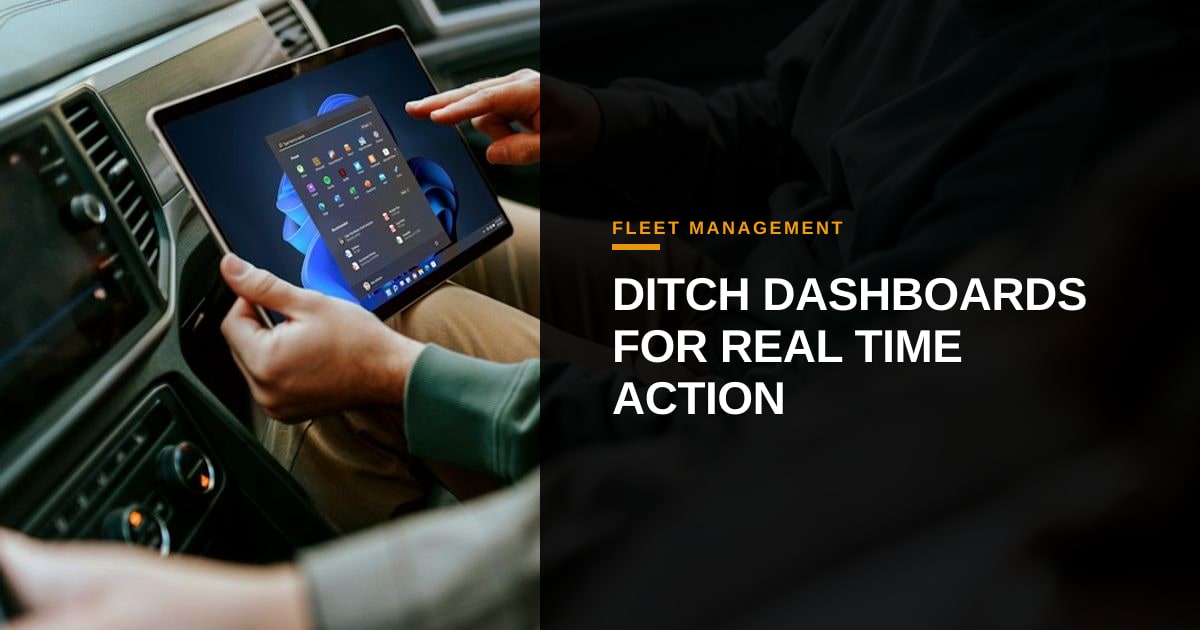
Photo: Surface / Unsplash (https://unsplash.com/@surface)

Comments