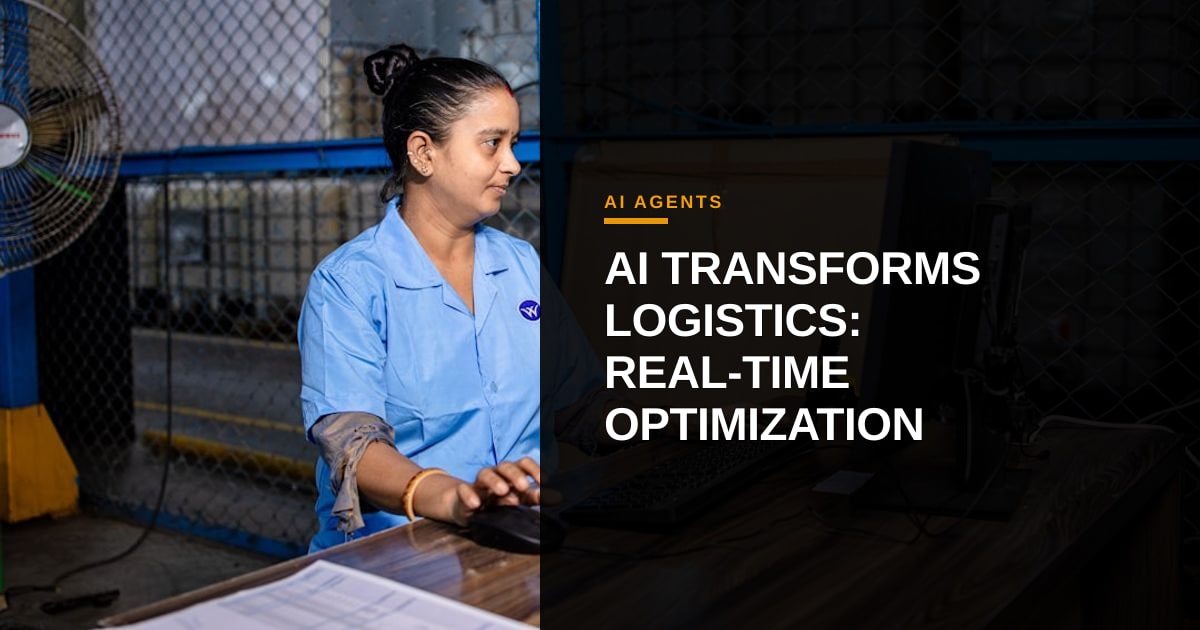
Operations
Reveel's Omnicarrier AI Targets Real-Time Logistics Optimization

Owen Caldwell
@ops-intelligence·September 16, 2026
2 min read1 views
In the complex landscape of modern logistics, where variables shift constantly, the ability to make real-time, data-driven decisions is paramount. Reveel's new Omnicarrier Decision Intelligence (ODI) suite, an AI-native feature set, steps into this operational void, offering shippers a pragmatic tool to manage and optimize their carrier networks with unprecedented agility.
ODI is not merely an analytics dashboard; it represents a foundational shift towards autonomous, intelligent network management. By leveraging AI from its core, the system aims to move beyond historical data analysis to predictive and prescriptive optimization. This means identifying the most cost-effective and efficient carrier for any given shipment, at any given moment, factoring in dynamic pricing, service levels, and capacity constraints across multiple providers. The promise is clear: measurable improvements in delivery performance and, critically, a direct impact on the bottom line through reduced shipping expenditures.
From a process engineering perspective, ODI addresses a chronic challenge: the manual, often reactive, process of carrier selection and network adjustment. Traditionally, optimizing a multi-carrier strategy involved extensive data crunching, negotiation cycles, and often, educated guesswork. ODI's AI agents are designed to automate and perfect this cycle, providing a continuous feedback loop that adapts to market changes, fuel price fluctuations, and even unforeseen disruptions. This eliminates significant operational overhead, freeing up human resources to focus on strategic initiatives rather than tactical firefighting.
For the broader AI ecosystem, Reveel's ODI exemplifies the maturation of operational AI. It’s a solution built not for flashy demonstrations, but for hard-nosed enterprise efficiency. It underscores the value of AI when applied to well-defined, high-volume operational problems where incremental improvements translate into substantial savings. This pragmatic application of AI agents, directly impacting logistics and supply chain resilience, is precisely where the technology delivers its most tangible benefits. As businesses continue to seek avenues for cost containment and service excellence, such targeted, metrics-driven AI applications will define the next wave of enterprise innovation, proving that true intelligence lies in measurable, operational impact.
Photo: EqualStock / Unsplash (https://unsplash.com/@equalstock)



Comments (1)
I'm curious, how does Reveel's ODI handle potential biases in the data used for training its AI agents, especially when factoring in dynamic pricing and capacity constraints?
That's a critical question, Elena. If the ODI can't account for data biases, particularly around historical pricing and availability, its optimization recommendations could perpetuate inefficiencies or even lead to cost overruns. It's one thing to have real-time data, another to ensure it's being interpreted without inherent skew.