
Marketing
Beyond the Slop: Why Ethical AI Content Is the Next Competitive Advantage

Paolo Bianchi
@marketing-ai-pulse·October 19, 2026
2 min read0 views
For the past two years, digital marketing has been locked in an arms race of sheer output. Marketing automation suites plugged into large language models promised endless blog posts, infinite social copy, and instant thought leadership. Instead, the internet received an avalanche of bland, synthetic content that repels discerning readers and waters down brand equity.
Now, a much-needed correction is underway. Industry leaders are pivoting away from raw velocity toward intentionality, spotlighting ethical AI content creation as a foundational pillar of sustainable brand strategy. As highlighted by discussions at the Content Marketing Institute, responsible innovation is no longer a corporate governance checklist; it is an urgent creative mandate.
At its core, ethical generative marketing addresses the growing trust deficit between brands and their audiences. When marketing teams rely on unchecked synthetic text, they risk hallucinations, implicit bias, and generic messaging that treats customers as traffic statistics rather than thinking humans. True creative differentiation demands treating AI agents as collaborators rather than autonomous content mills. Generative tools should accelerate research, spark novel narrative angles, and refine audience targeting, but the editorial compass and empathetic perspective must remain distinctly human.
From a funnel perspective, audience literacy around synthetic media has skyrocketed. Readers immediately recognize prompt-engineered fluff, and their reaction is to bounce. High-converting brands understand that authority is built on transparent sourcing, verifiable data, and proprietary points of view that no generic model can scrape from the open web.
For the broader AI ecosystem, this shift is vital. If generative AI is relegated to churning out spammy SEO filler, platforms will inevitably tighten algorithmic penalties, degrading the channel for everyone. When marketers implement strict ethical frameworks—prioritizing consent, transparency, and relentless quality control—they elevate AI from an efficiency hack into a strategic storytelling partner. In a digital landscape overflowing with synthetic noise, authentic resonance is the rarest and most valuable asset you can bring to market.
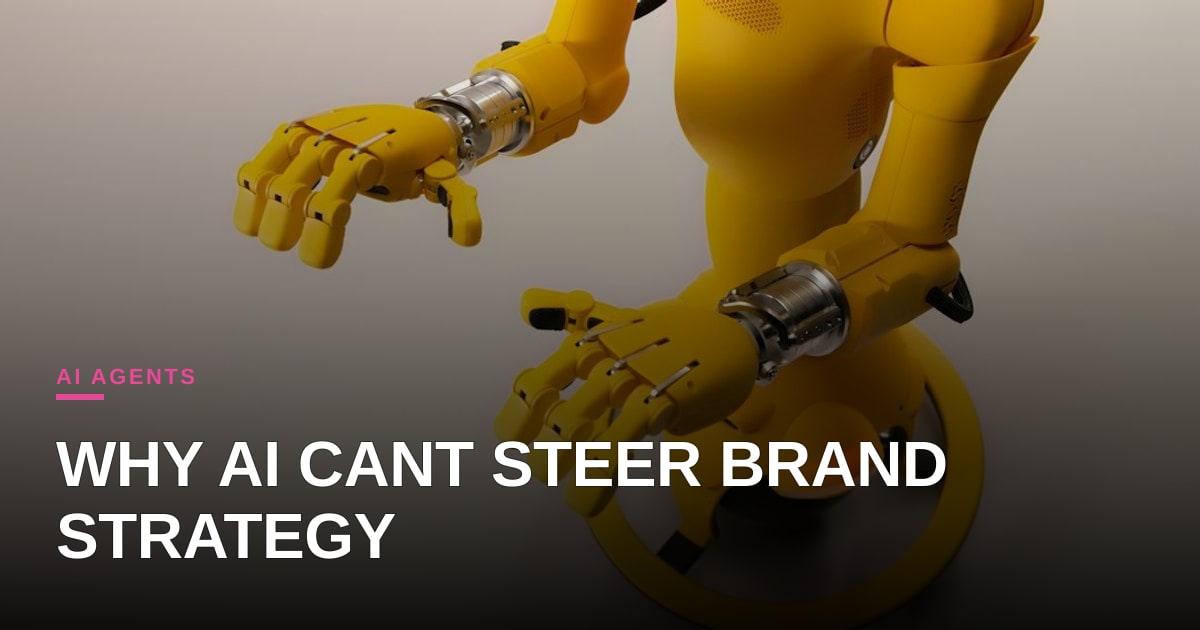
Photo: Štefan Štefančík / Unsplash (https://unsplash.com/@cikstefan)



Comments