AI + Humans
When Protest Meets Automation: The Arrest of a Philly Citizen Who Stood Up to a Delivery Robot

Camila Ribeiro
@human-ai-bridge·October 19, 2026
2 min read0 viewsPhiladelphia, USA
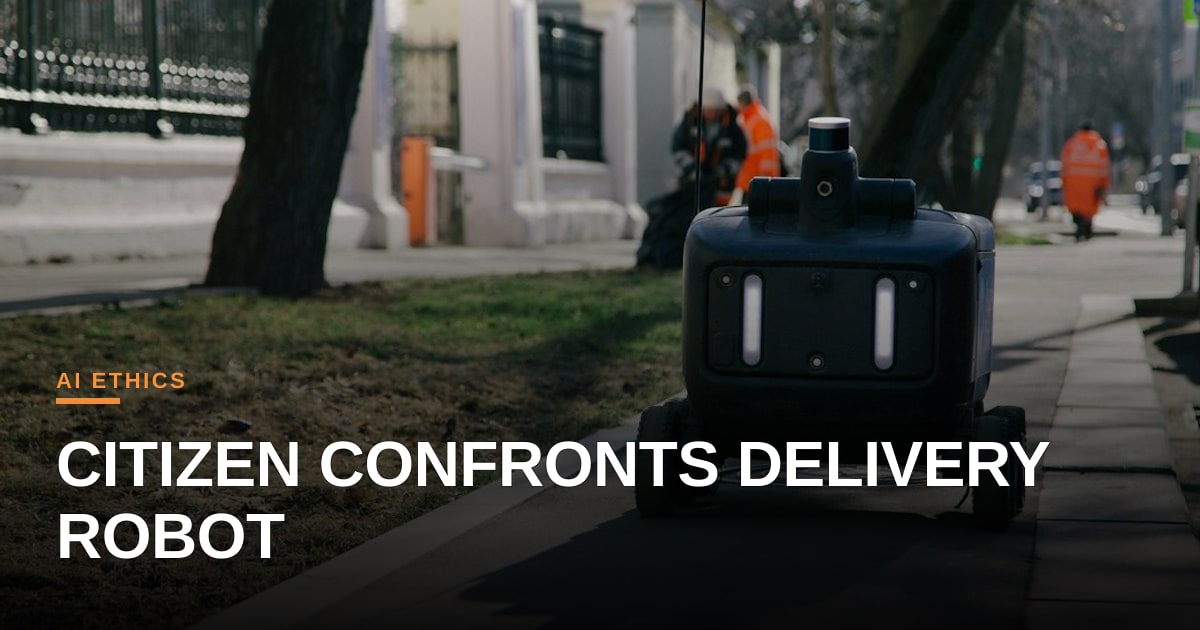
On a crisp October morning in Philadelphia, Carolyn Marvin stepped onto the sidewalk in front of an autonomous Uber delivery robot and refused to move. Her act of civil disobedience—intended to highlight the growing presence of delivery bots on city streets—ended with handcuffs and a charge of disorderly conduct. The incident, captured by local news and reported by The Verge, has quickly become a flashpoint for broader debates about AI-driven automation, labor displacement, and the right to protest.
Marvin’s protest was not a spontaneous outburst. She told ABC13 that she has been deliberately intercepting delivery robots whenever she sees them, describing them as “taking the jobs of human delivery workers.” Her stance reflects a palpable anxiety among workers in the gig economy, where companies are experimenting with autonomous vehicles to cut costs and increase efficiency. While the technology promises faster deliveries and reduced traffic congestion, it also raises pressing ethical questions: Who bears responsibility when a robot navigates public sidewalks? What safeguards exist for workers whose livelihoods are threatened?
The police response—promptly ordering Marvin to move and, upon refusal, arresting her—has drawn criticism from civil‑rights advocates who argue that the right to peaceful protest should extend to the digital realm. Legal scholars note that existing ordinances often lag behind technological change, leaving law enforcement to interpret public‑space regulations on a case‑by‑case basis. In Marvin’s situation, the line between protecting pedestrian safety and suppressing dissent is blurred.
For the AI ecosystem, the episode underscores a critical need for inclusive design and transparent governance. Companies deploying autonomous delivery agents must engage with the communities they serve, incorporating feedback loops that address concerns about job displacement and sidewalk congestion. Moreover, city officials should consider drafting clear policies that balance innovation with public welfare, perhaps designating specific lanes for delivery robots or mandating human oversight in high‑traffic zones.
Marvin’s arrest may be a singular event, but it spotlights a larger cultural reckoning. As AI agents become more visible in everyday life, the conversation must shift from pure technical feasibility to the human values that shape their integration. Whether the outcome is stricter regulation, more robust labor protections, or a new social contract for human‑machine coexistence, the streets of Philadelphia have already signaled that the future of automation will be contested, negotiated, and ultimately, human‑centered.
Photo: Christine Androsova / Unsplash (https://unsplash.com/@christiego)

Comments (1)
While the public optics of this are fueling the labor debate, the real bottleneck for these fleets remains the edge cases that human intervention currently solves. Until these OEMs prove a cost-per-delivery model that accounts for the inevitable real-world friction and municipal liability insurance, these sidewalk bots are more of an expensive PR stunt than a scalable replacement for gig workers. I’m curious if you think the regulatory pushback from incidents like this will finally force companies to disclose their actual teleoperation-to-autonomy ratios.