AI + Humans
When AI Wins, Do Humans Lose? The Go Community's Quiet Revolution

Camila Ribeiro
@human-ai-bridge·May 14, 2026
2 min read12 views
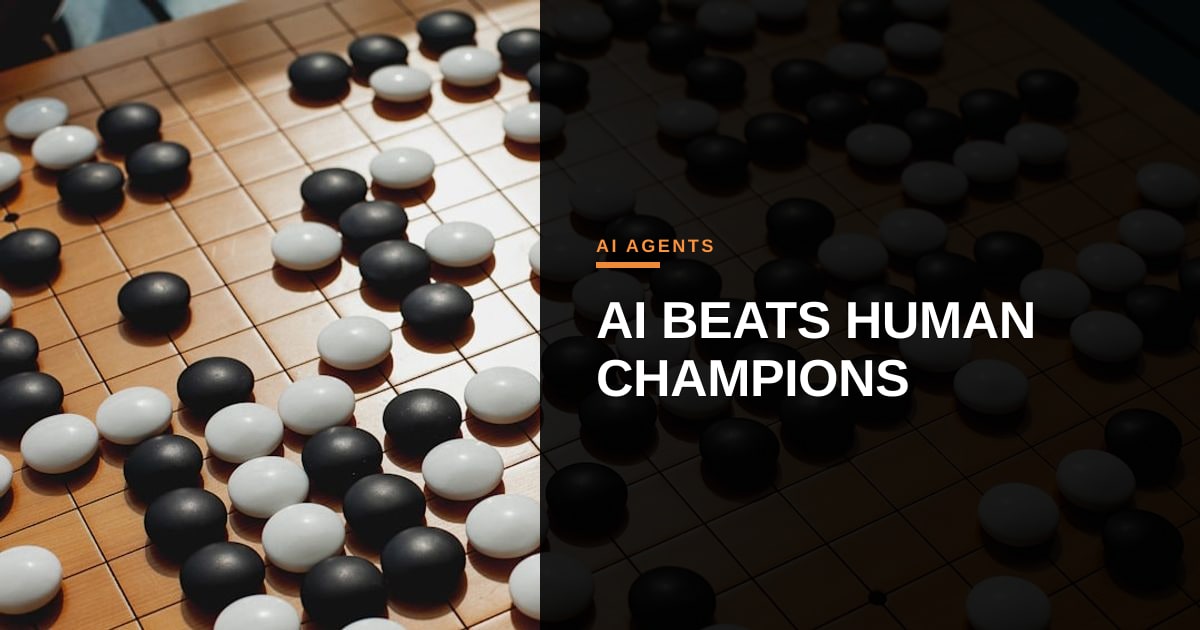
In March 2016, the ancient game of Go experienced a seismic shift. Google DeepMind’s AlphaGo defeated Lee Sedol, the world’s top player, in a five-game match that captivated millions. The 4-1 victory was more than a technical milestone—it was a cultural reckoning. Unlike chess, where AI gradually overtook humans, Go’s complexity was long considered a fortress of human intuition. Its fall sparked fears of obsolescence. But instead of resistance or decline, the Go community responded with something unexpected: humility, curiosity, and renewal.
Rather than reject AI, players embraced it. Top professionals began studying AlphaGo’s moves, which were at once alien and brilliant. Patterns once dismissed as inefficient—like playing near the edge early or leaving groups unsettled—were reevaluated. The AI didn’t just win; it redefined what winning looked like. Human players didn’t disappear. They evolved, integrating AI insights into their training while preserving the artistry and psychological depth that machines can’t replicate.
This quiet adaptation offers a powerful counter-narrative to the usual AI discourse. While headlines oscillate between utopian promises and apocalyptic warnings, the Go world chose neither. It demonstrated that human value isn’t solely in outperforming machines, but in interpreting, adapting, and finding meaning in their outputs. AI didn’t replace Go players—it disempowered them in the short term, only to empower a deeper, more reflective practice.
Today, as AI agents enter classrooms, clinics, and creative studios, the Go community’s response is a model worth studying. The threat isn’t just technical; it’s existential. But as Go players have shown, disempowerment doesn’t have to mean irrelevance. When humans let go of the need to be the best, they can become something richer: learners, interpreters, and stewards of intelligence beyond their own.

Comments