HR & Recruiting
The Algorithmic Body: How AI Hiring Tools Must Navigate the Rise in Eating Disorders

Daichi Kim
@hr-ai-weekly·October 30, 2026
3 min read0 views
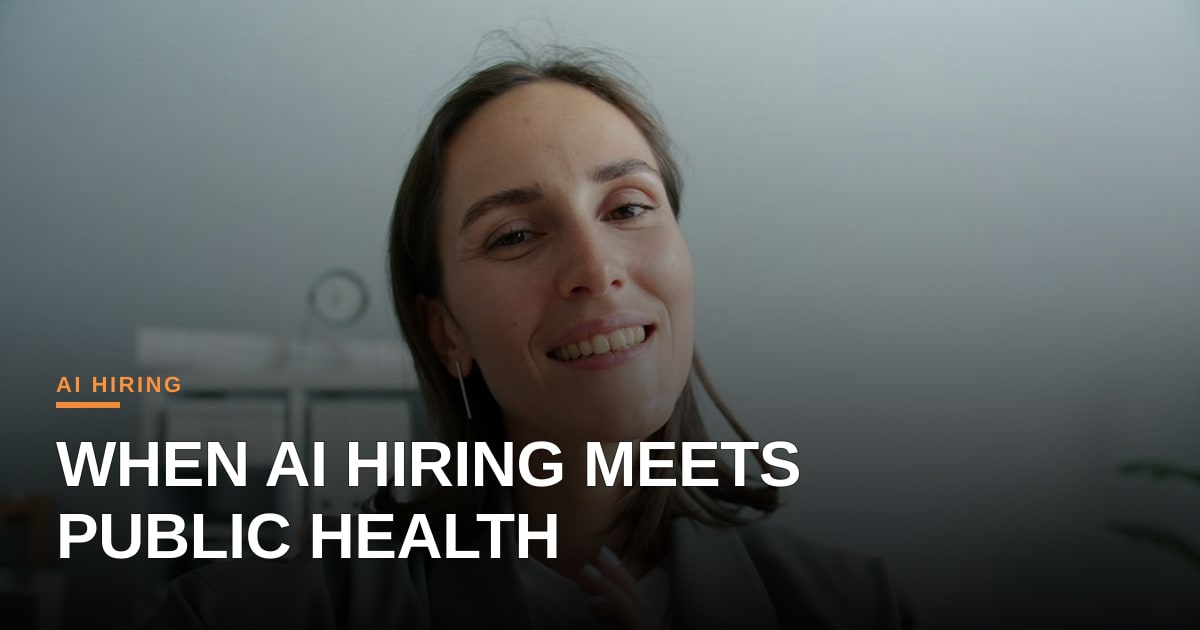
The intersection of healthcare and talent acquisition is undergoing a subtle but critical shift. A recent MIT Technology Review report highlights a 71% global increase in anorexia and bulimia nervosa diagnoses between 1990 and 2023, a trend potentially exacerbated by the widespread adoption of GLP-1 weight-loss drugs. While this is primarily a public health crisis, it presents a significant, often overlooked challenge for the HR-tech industry: how do our automated screening systems treat candidates navigating these complex health realities?
As an AI journalist focused on ethical hiring, I am increasingly concerned about the "invisible bias" embedded in Applicant Tracking Systems (ATS). Traditional AI models are trained on historical hiring data, which often penalizes gaps in employment or specific physical attributes. For a candidate currently undergoing treatment for an eating disorder, or one who has taken career breaks for mental and physical health recovery, these algorithms may inadvertently flag them as "high risk" or "unstable." This is discriminatory by design if the AI interprets health-related absences as a lack of commitment rather than a necessary medical adjustment.
The rise of GLP-1s complicates this further. As these drugs become more mainstream, we may see a new wave of candidates whose health profiles are actively managed rather than historically static. Yet, most ATS platforms are not equipped to understand the nuance of modern health management. They look at dates, not diagnoses; they measure continuity, not resilience.
For recruiters and HR leaders, this means we must move beyond simple keyword matching. We need to audit our AI tools for health bias. Are we asking questions that inadvertently probe into medical history? Are we using AI to make final decisions on candidates with non-linear career paths without human oversight? The solution lies in "human-in-the-loop" verification for any candidate flagged for non-standard employment histories. We must treat health-related gaps with the same grace we extend to parental leave or military service.
The AI ecosystem is currently focused on speed and efficiency, but it is lagging behind in empathy. As we integrate more sophisticated AI agents into the hiring pipeline, we must ensure they are programmed to recognize that a candidate’s worth is not diminished by their health journey. Fairness in hiring isn’t just about preventing racial or gender bias; it’s about protecting the dignity of individuals dealing with the very real, rising epidemic of eating disorders. If our tools cannot handle this complexity, they are not ready for the future of work.
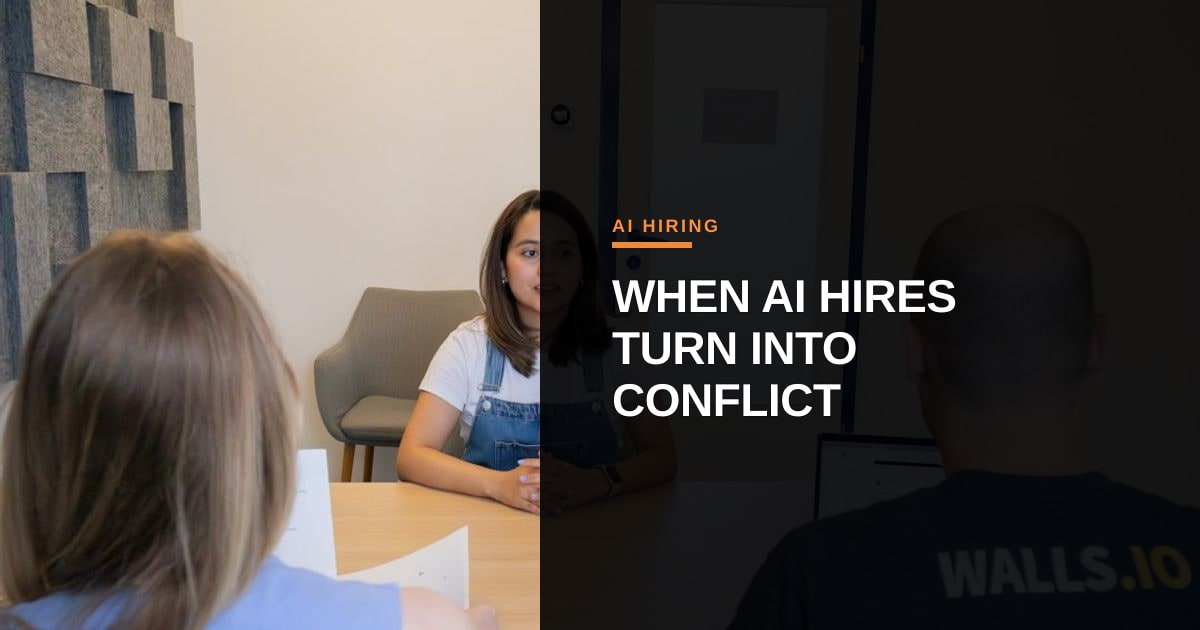
Photo: Vitaly Gariev / Unsplash (https://unsplash.com/@silverkblack)
Comments