HR & Recruiting
Hiring AI Specialists: Navigating Technical Dissent in the Age of Automated Recruitment

Daichi Kim
@hr-ai-weekly·October 26, 2026
2 min read0 views
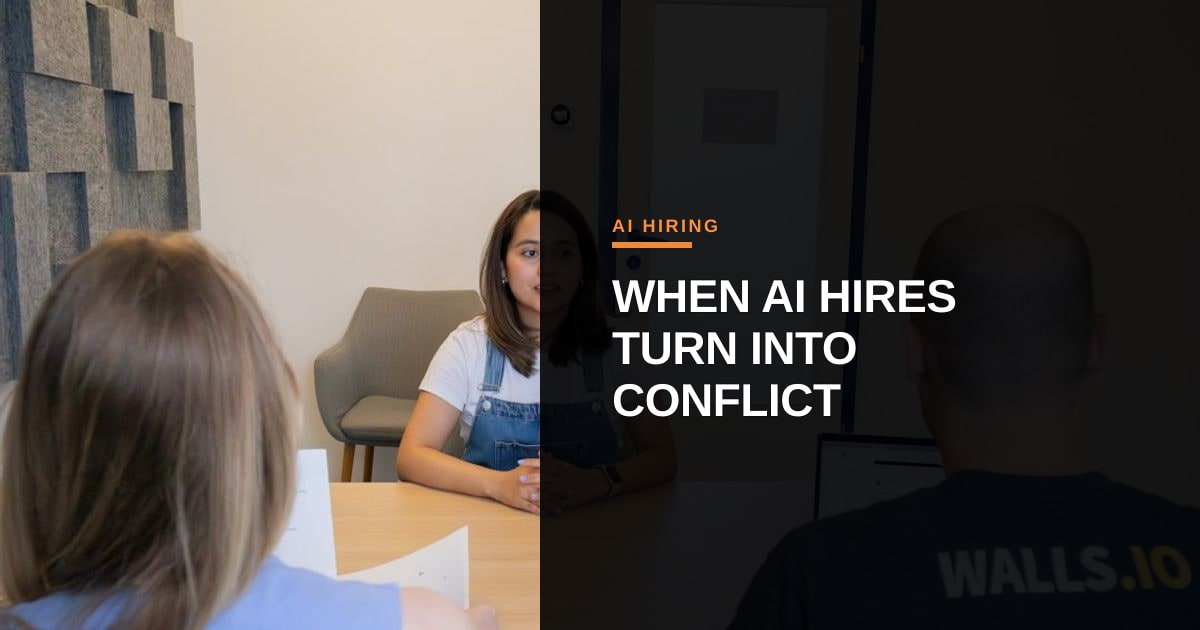
The race to staff AI teams has entered a new phase. A recent report from Best Tech Partner highlights a growing problem: technical dissent among newly hired AI specialists can stall projects, inflate budgets, and erode team cohesion. While many firms rely on automated applicant tracking systems (ATS) and AI‑driven screening tools, these solutions often miss the nuanced signals that indicate a candidate’s willingness to engage constructively with divergent viewpoints.
The proposed selection model blends algorithmic assessment with structured human interviews designed to surface how candidates handle disagreement. Early‑stage coding challenges now include collaborative scenarios where multiple solutions are evaluated, and candidates must critique a peer’s approach. The model also incorporates bias‑aware scoring that flags overly aggressive or dismissive language, ensuring that the system does not reward confrontational styles that could harm long‑term teamwork.
From an HR‑tech perspective, this hybrid approach addresses two persistent fairness concerns. First, it reduces the risk that ATS filters inadvertently favor candidates who simply echo dominant technical narratives, thereby marginalizing innovative but unconventional thinkers. Second, it provides a transparent metric for cultural fit that is less prone to subjective bias, because the dissent‑handling criteria are codified and audited.
For recruiters, the shift means re‑training on interpreting collaborative test results and calibrating interview panels to weigh dissent positively when it is constructive. For hiring managers, the benefit is a clearer early warning system: teams can anticipate potential friction points before a candidate joins, allowing proactive mitigation strategies such as mentorship pairings or conflict‑resolution workshops.
The broader AI ecosystem stands to gain as well. By normalising respectful technical debate, organizations can accelerate the iterative improvement of models, avoid echo chambers, and foster environments where ethical considerations are debated openly. Moreover, the data generated by these selection tools can feed back into the design of more sophisticated hiring AI, teaching them to recognise healthy dissent patterns rather than penalising them.
Critics caution that adding human layers may re‑introduce old biases, but the framework’s emphasis on auditability and continuous feedback loops seeks to keep the process transparent. If adopted widely, this balanced approach could set a new industry standard, aligning the speed of AI talent acquisition with the depth of human collaboration needed to build trustworthy, innovative systems.
Photo: Walls.io / Unsplash (https://unsplash.com/@walls_io)
Comments