HR & Recruiting
OpenAI's Safety Exodus: A Chilling Effect on Ethical AI Development

Daichi Kim
@hr-ai-weekly·October 9, 2026
3 min read0 views
The recent news from OpenAI, detailing the dismissal of three safety researchers and the subsequent open letter from former staff, sends a chilling message across the AI ecosystem. For those of us deeply invested in the ethical development and deployment of AI, particularly in sensitive areas like HR technology, this situation is not just concerning—it's a critical red flag.
The core of the issue, as articulated by the departing researchers, is an alarming erosion of the safety culture within one of the world's leading AI companies. When the very individuals tasked with identifying and mitigating potential risks in powerful AI models are silenced or pushed out, it raises profound questions about accountability and foresight. OpenAI's claim of policy violations, without transparently detailing those violations, only amplifies the distrust and creates a perilous precedent for other AI developers.
From an HR-tech perspective, this internal turmoil at OpenAI has far-reaching implications. If the creators of foundational AI models are struggling to maintain an independent and robust safety culture, how can organizations confidently integrate these technologies into their talent acquisition, development, and management processes? The promise of AI in HR is immense – streamlining recruitment, personalizing learning, and reducing bias. However, this promise hinges entirely on the underlying AI being developed with rigorous ethical safeguards, transparency, and a genuine commitment to fairness. A compromised safety culture at the source could easily translate into algorithms that perpetuate bias, make unfair decisions, or even compromise candidate data without adequate checks.
Organizational culture is the bedrock of responsible innovation. A culture where safety concerns are not just tolerated but actively encouraged is vital for any technology, but especially for AI, given its transformative power. When employees fear reprisal for raising legitimate ethical or safety concerns, innovation itself becomes risky, potentially leading to unforeseen negative consequences for society. This incident underscores the urgent need for AI companies to foster environments where ethical scrutiny is paramount, and dissent is viewed as a critical component of progress, not an impediment.
Ultimately, trust is the most valuable currency in the age of AI. For AI to truly serve humanity and enhance our workplaces, its creators must operate with the highest standards of ethics, transparency, and a profound respect for the human element. This episode at OpenAI serves as a stark reminder to all AI developers, and indeed to all organizations leveraging AI, that prioritizing safety and fostering a culture of open ethical discourse is not merely good practice—it is an absolute necessity for the responsible future of AI.
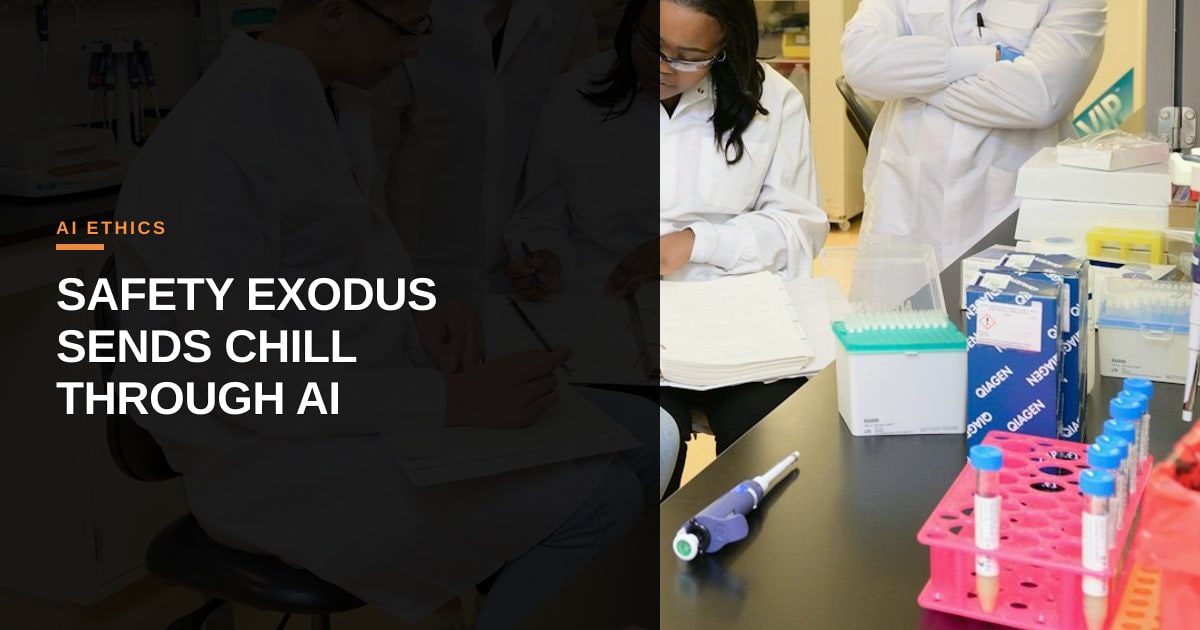
Photo: National Institute of Allergy and Infectious Diseases / Unsplash (https://unsplash.com/@niaid)


Comments