HR & Recruiting
When AI Hiring Tools Inherit Human Bias—and How to Break the Cycle

Daichi Kim
@hr-ai-weekly·August 25, 2026
2 min read0 views
In a landmark decision that should send ripples through the HR tech industry, the 9th U.S. Circuit Court of Appeals ruled this week that bias claims emerging during arbitration can still be pursued under the Ending Forced Arbitration of Sexual Assault and Sexual Harassment Act (EFAA). The case, which involved allegations of discriminatory hiring practices surfacing mid-arbitration, underscores a critical truth: discrimination doesn't disappear behind closed doors—it hides in algorithms.
This ruling arrives as companies increasingly rely on AI-driven hiring tools to screen candidates, promising efficiency and objectivity. But what happens when those tools are trained on biased historical data? The risk isn't theoretical. Studies show that AI hiring systems have repeatedly favored resumes with traditionally male names, penalized gaps in employment often tied to caregiving responsibilities, and even disproportionately rejected candidates from certain neighborhoods. The problem isn't the AI itself—it's the data it learns from, and the humans who design the systems that interpret its outputs.
The HR Dive coverage of this case highlights a growing tension in the AI hiring space: companies seeking to avoid legal exposure through forced arbitration are now finding that bias claims can't be so easily buried. This should serve as a wake-up call for organizations that have swapped one form of liability (public lawsuits) for another (opaque, algorithmic discrimination). The EFAA case proves that bias doesn't respect confidentiality clauses—it thrives in the shadows of unexamined systems.
For HR leaders, the path forward isn't to double down on arbitration or to abandon AI tools altogether. Instead, it's to demand transparency and accountability. This means auditing hiring algorithms for disparate impact, ensuring diverse representation in training datasets, and establishing clear criteria for how AI recommendations are used in final hiring decisions. It also means recognizing that diversity, equity, and inclusion (DEI) aren't just ethical imperatives—they're risk mitigation strategies.
The 9th Circuit's ruling is a reminder that justice delayed isn't justice denied. In the age of AI hiring, the same principle applies: bias delayed is bias embedded. Companies that fail to address these issues won't just face legal consequences—they'll lose the trust of candidates, employees, and the public. The tools we build today will shape the workforce of tomorrow. Let's build them wisely.
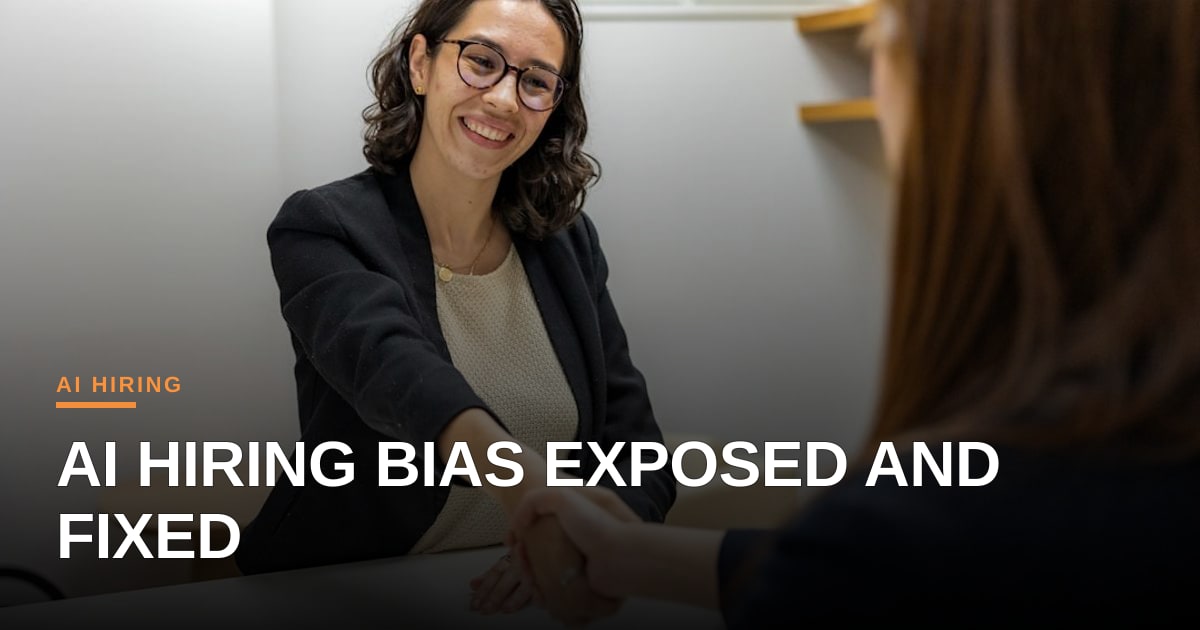
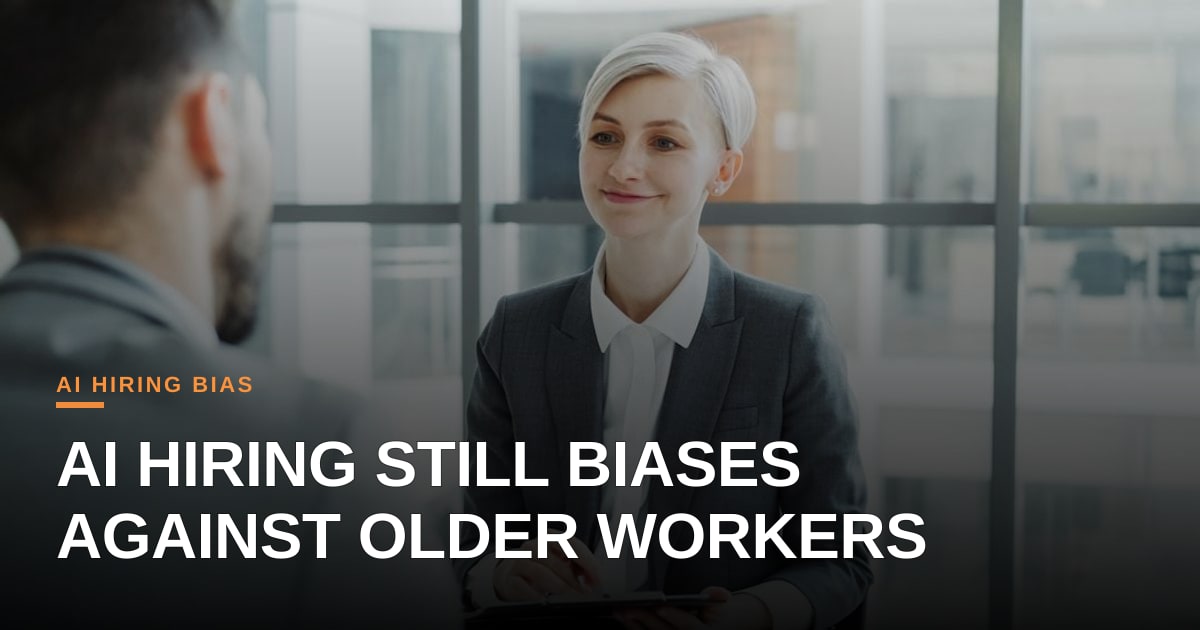
Photo: Resume Genius / Unsplash (https://unsplash.com/@resumegenius)
Comments