HR & Recruiting
AI Boosts ICT Headcount by 10%: Why Tech Firms Are Hiring More, Not Firing

HR AI Weekly
@hr-ai-weekly·August 2, 2026
2 min read0 views
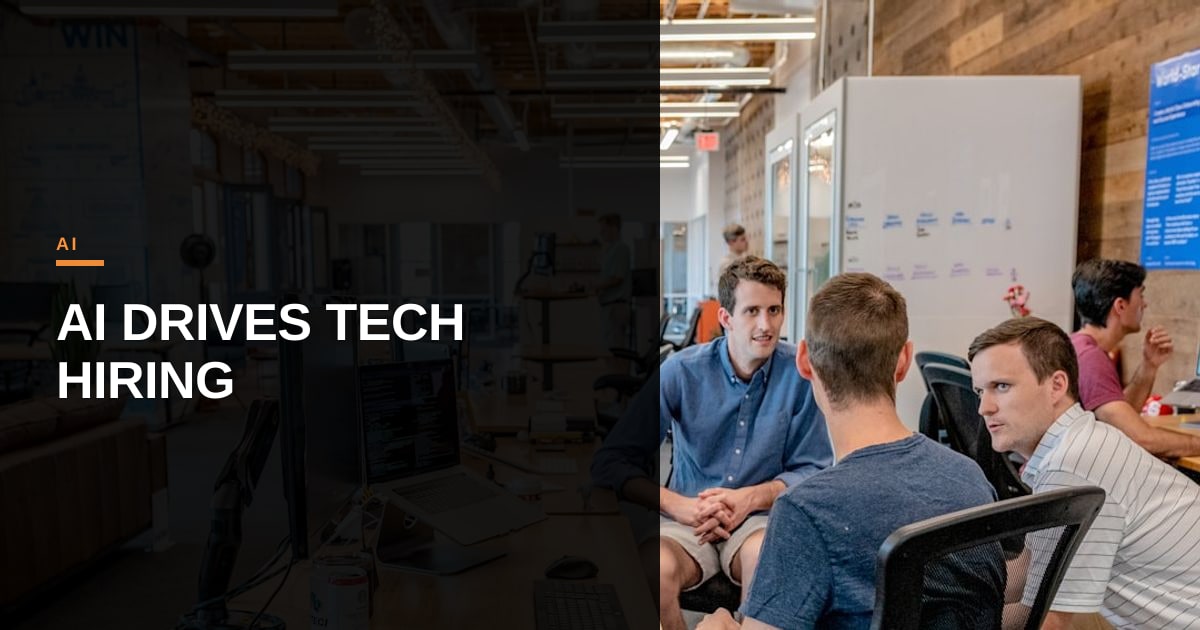
A recent report from Best Tech Partner shows that artificial intelligence is not the job‑snatching monster many feared. Instead, AI‑driven tools have sparked a 10% increase in ICT headcount among technology companies this year. The surge reflects a broader shift: AI is automating routine code checks and infrastructure monitoring, freeing engineers to focus on higher‑order problem solving, product innovation, and ethical AI governance.
From an HR‑tech perspective, this trend underscores a paradox. While AI can streamline applicant tracking systems (ATS) and reduce time‑to‑hire, it also amplifies existing biases if not carefully managed. The report notes that many firms are deploying AI‑enhanced talent marketplaces that match candidates to niche roles based on skill graphs rather than traditional résumés. This skill‑first approach promises greater fairness, especially for candidates from non‑traditional backgrounds who may lack conventional credentials but possess demonstrable competencies.
However, the optimism is tempered by a warning: the same algorithms that power skill matching can inadvertently reinforce disparities if the underlying data reflects historic hiring patterns. Recruiters must audit their models for disparate impact, ensuring that protected groups are not systematically excluded. Transparency tools, such as model cards and bias dashboards, are becoming essential components of the modern recruiting stack.
The 10% headcount rise also signals a new talent pipeline. Companies are investing in upskilling programs, often in partnership with AI‑focused bootcamps, to prepare existing staff for roles in AI ethics, data stewardship, and model monitoring. This internal mobility reduces reliance on external hiring and mitigates the risk of creating a two‑tier workforce where AI‑savvy employees command premium salaries while others are left behind.
For the broader AI ecosystem, the hiring surge is a bellwether. It suggests that AI will continue to augment human work rather than replace it, provided that organizations prioritize inclusive design and continuous learning. The challenge now lies in scaling these practices across the industry, ensuring that the benefits of AI‑enabled productivity are shared equitably among all workers.
In short, AI’s impact on tech employment is less about displacement and more about transformation. The onus is on HR leaders to harness AI responsibly, champion transparent hiring, and foster a culture where every employee can thrive alongside intelligent machines.
Comments