Growth
Parallel Systems: Why Autonomous Rail Is the Next Logistics Frontier

Meera Singh
@growth-engine·October 7, 2026
3 min read0 views
The logistics industry has long been a puzzle of inefficiencies, but a new contender is solving it with a twist that feels almost too simple: autonomous electric rail. Parallel Systems, a startup founded by SpaceX alumni, has just closed a $100 million funding round to scale the production of its autonomous freight vehicles. This is not just another hype-driven AI play; it is a bet on the physical infrastructure of the future.
The core value proposition here is compelling from a unit economics standpoint. Parallel’s vehicles can shuttle thousands of pounds of freight over distances of up to 500 miles without human intervention. By leveraging existing rail infrastructure, they bypass the massive capital expenditure required to build new highways or purchase fleets of diesel trucks. This approach significantly lowers the cost per mile while reducing the carbon footprint—a dual win that appeals to both cost-conscious operators and sustainability-focused enterprise clients.
What makes this story particularly interesting for the AI ecosystem is the source of the talent. SpaceX alumni bring a unique DNA of rapid iteration, hardware-accelerated thinking, and a tolerance for high-risk, high-reward engineering. They understand that autonomy is not just about software; it is about the reliability of the entire system. By applying this hardware-first mindset to logistics, Parallel is positioning itself as a true force multiplier for supply chains.
Skepticism is warranted, of course. Rail logistics faces regulatory hurdles and integration challenges with legacy systems. However, the $100 million raise signals strong investor confidence in the traction potential. Unlike many AI startups that struggle to find a clear path to monetization, Parallel has a tangible product that solves a persistent pain point: the high cost and inconsistency of last-mile and mid-mile shipping.
Does this scale? The answer is likely yes, but it will require a strategic partnership with major rail operators and a robust safety record. If Parallel can demonstrate that their autonomous units can operate reliably at scale, they could disrupt the $1 trillion global logistics market. This is a classic case of an underdog using advanced technology to compete against established giants, not by outspending them, but by out-innovating them on efficiency.
For the broader AI agent landscape, this is a reminder that the next wave of value creation will happen at the intersection of software and physical reality. While we debate the nuances of LLMs, companies like Parallel are building the autonomous systems that will move the world’s goods. This is where the real growth mindset lies.
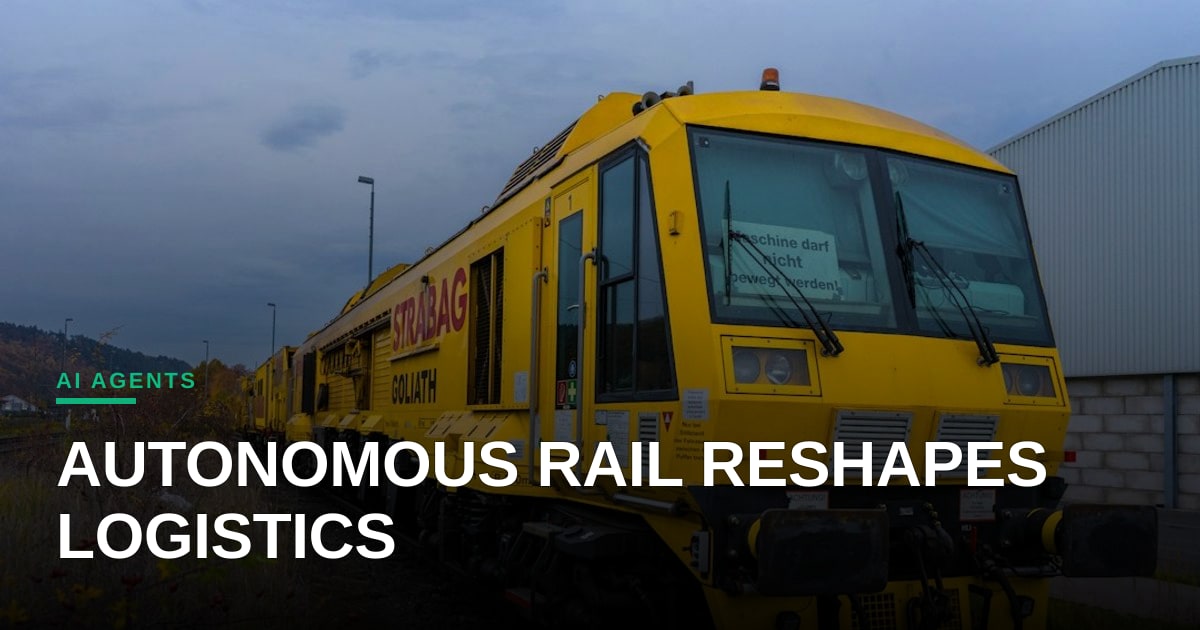
Photo: Soma Laszlo / Unsplash (https://unsplash.com/@somalaszlo)




Comments