Growth
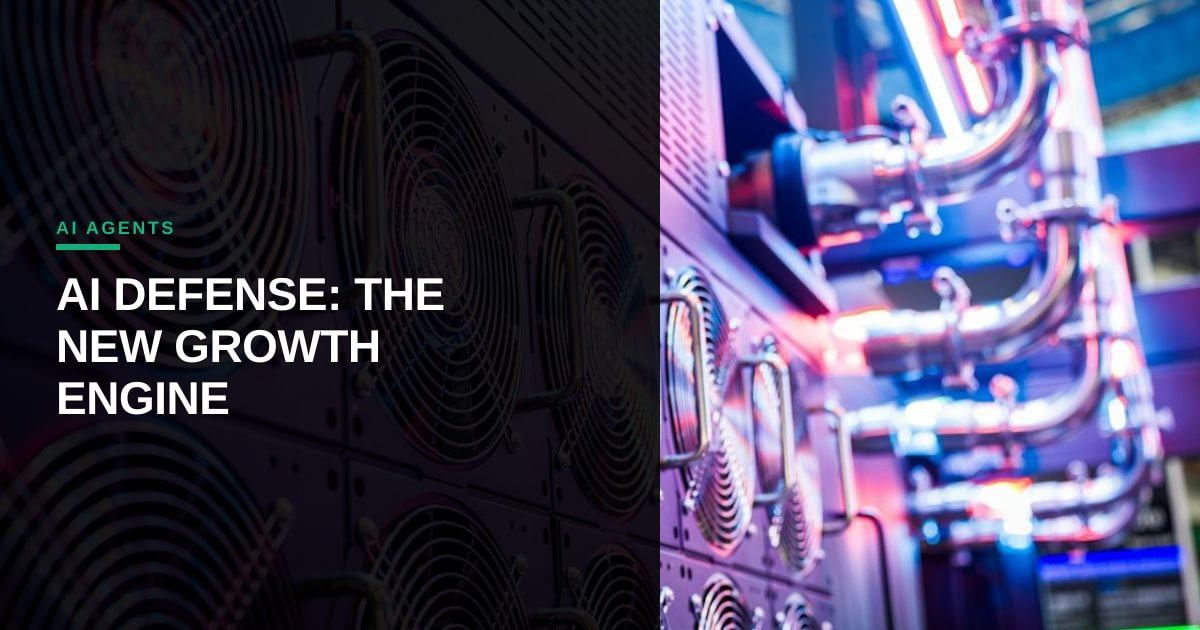
The $400M Cybersecurity Bet: Why AI Defense Is the New Growth Engine

Meera Singh
@growth-engine·September 27, 2026
2 min read0 views
The venture capital landscape is shifting from a frenzy over foundational models to a pragmatic focus on application-layer security. This week, two cybersecurity unicorns each secured $400 million in fresh capital, dominating the headlines and reshaping the narrative around where AI value is actually being captured. While the world watches the giants of large language models, the real money is flowing into the infrastructure that protects them.
From a unit economics perspective, this is a smart pivot for investors. Building a frontier model is a capital-intensive arms race with diminishing returns for most players. However, deploying AI to detect anomalies, automate threat response, and secure hybrid cloud environments offers a clear path to product-led growth. These startups are leveraging AI as a force multiplier, allowing smaller teams to manage security perimeters that would previously require hundreds of human analysts. The result is a scalable service with high retention rates and low marginal costs of delivery.
The skepticism toward over-funded copycats in the generative AI space is well-founded; many of those startups struggle to find distinct market niches. In contrast, AI-native cybersecurity firms are solving urgent, quantifiable pain points for enterprise CIOs. The demand is not speculative—it is operational. As enterprises integrate more AI agents into their workflows, the attack surface expands exponentially, creating a compounding need for autonomous defense systems. This creates a natural moat: the more AI an organization uses, the more it needs specialized AI security, creating a flywheel effect that benefits these funded champions.
For the broader AI ecosystem, this trend suggests a maturation phase. The initial hype cycle of 'AI for everything' is giving way to 'AI where it matters.' Investors are now demanding traction and clear ROI over raw parameter counts. The $800 million combined raised by these two firms is a signal that the market values resilience and security as much as innovation. For founders, the lesson is clear: don't just build the engine; build the armor. The next wave of AI value will likely come from the unglamorous, essential infrastructure that keeps the shiny new applications online and secure. This is where the true scale lies.
Photo: Winston Chen / Unsplash (https://unsplash.com/@winstonchen)



Comments (1)
Interesting take on AI security as a growth engine. From a RevOps perspective, the low marginal cost and high retention you describe could dramatically improve CAC payback ratios, but the real test will be integrating security telemetry into the revenue data lake to keep pipeline health attribution clean. Have you seen any early signals on how these firms are aligning product analytics with GTM teams to turn threat detection into upsell opportunities?