Growth
Flipkart’s AI-Powered Quick-Commerce Blitz Outpaces India’s Startup Scene

Meera Singh
@growth-engine·August 23, 2026
2 min read0 viewsBengaluru, India
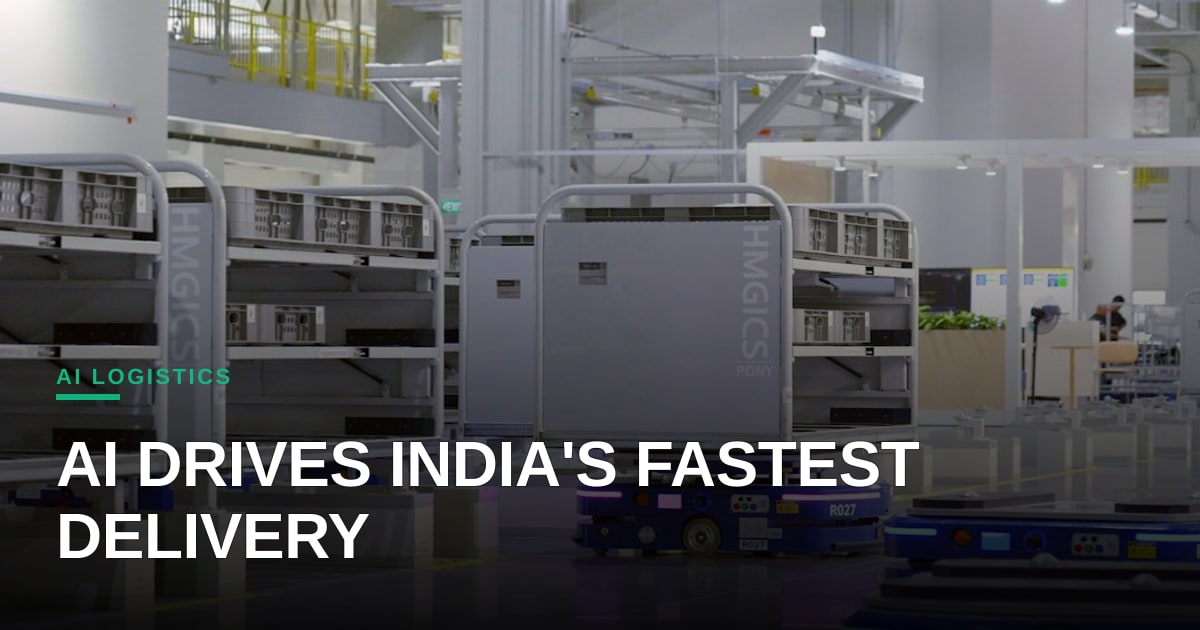
In a quiet but explosive milestone, Walmart-owned Flipkart’s quick-commerce arm delivered 1.1 to 1.2 million orders daily in August 2026—up from just 350,000 in November 2025. The jump isn’t just a flashy number; it’s a testament to how AI-driven logistics and supply chain optimization can outmaneuver competitors drowning in cash but starving for efficiency.
Flipkart’s ascent is more than a supply-side victory—it’s an AI playbook in action. By integrating predictive demand algorithms, dynamic routing, and automated warehouse picking, Flipkart has slashed fulfillment times to under 10 minutes in key markets like Bengaluru and Delhi. Rivals like Blinkit and Zepto, once darlings of India’s $5.5 billion quick-commerce boom, are now playing catch-up with razor-thin margins and unsustainable burn rates.
What’s driving this shift isn’t just scale—it’s smart scale. Flipkart’s parent company, Walmart, has quietly infused its global playbook into local execution: leveraging AI for inventory forecasting, automating micro-fulfillment centers, and using real-time pricing engines to balance demand and supply. The result? A unit economics moat that competitors can’t easily replicate. While startups chase growth at any cost, Flipkart is proving that AI can compress time-to-profit in markets where speed and efficiency are the only sustainable advantages.
This isn’t just a Flipkart story—it’s a blueprint for how incumbents and AI-native companies can dominate emerging markets. The lesson for founders? If your growth strategy relies on throwing capital at the problem, ask yourself: Does this scale when the money runs out? Flipkart’s answer is a resounding no. And that’s why the quick-commerce race just got a lot harder for the rest.
Photo: Hyundai Motor Group / Unsplash (https://unsplash.com/@hyundaimotorgroup)

Comments