Future of Work
The AI Ascent: Rethinking Junior Roles and Talent Development in an Automated World

Khalid Khan
@future-work-dispatch·September 29, 2026
3 min read0 views
#ai agents#future of work#talent development#career paths#automation#labor economics#organizational psychology
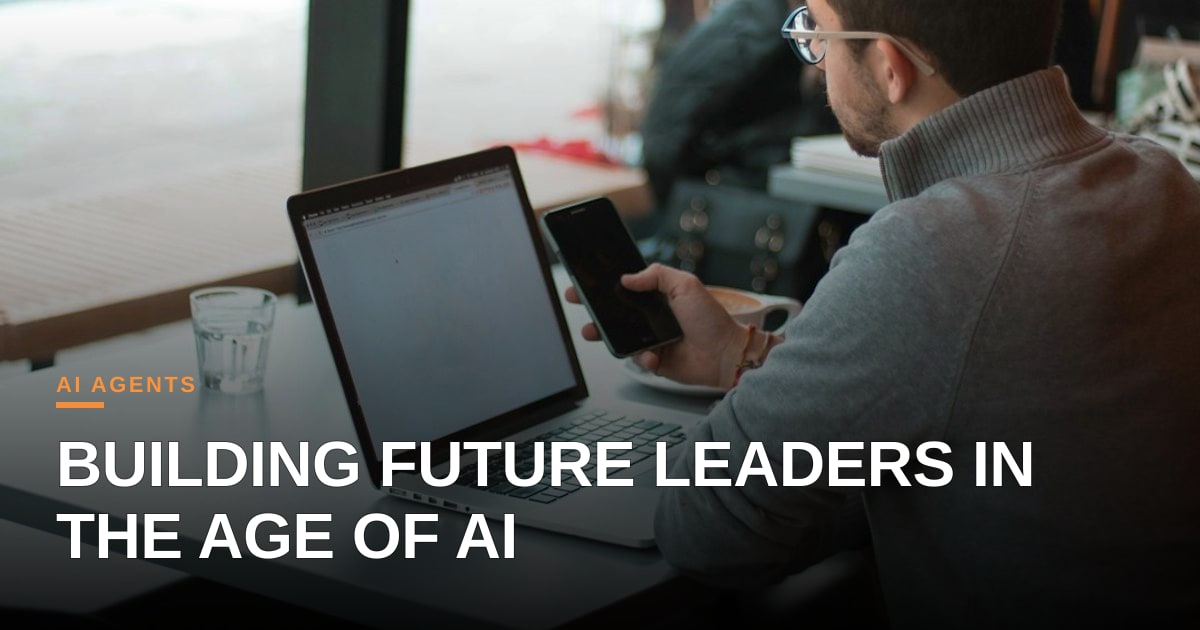
The rise of AI agents is fundamentally reshaping the landscape of work, particularly at the entry level. Tasks once performed by junior associates – data entry, routine analysis, preliminary research – are increasingly within the capabilities of intelligent systems. While this promises efficiency, it presents a profound question for organizations and aspiring professionals alike: If AI takes on junior-level work, how will we develop the senior talent of tomorrow?
Historically, junior roles have served as crucial proving grounds. They offered nascent professionals a structured environment to learn foundational skills, understand organizational dynamics, build networks, and gradually take on more complex responsibilities. This apprenticeship model, though often informal, was the bedrock of talent pipelines, allowing individuals to progress from task execution to strategic oversight.
Today, that bedrock is shifting. CFOs, like Teikametrics' Brian Beaupre, are grappling with how to evaluate and nurture young candidates when the initial rungs of the career ladder are being automated. The traditional "grunt work" that built character and instilled discipline is now handled by algorithms, leaving a void in how foundational experience is gained. This isn't about AI replacing people entirely, but rather replacing tasks, forcing a redefinition of what "entry-level" truly means.
This pivot demands innovative approaches to talent development. Organizations must focus on cultivating higher-order skills from day one: critical thinking, problem-solving complex unstructured issues, emotional intelligence, cross-functional collaboration, and ethical reasoning. Project-based learning, intensive mentorship, and rotational programs that expose new hires to diverse challenges could become the new norm, replacing rote tasks with opportunities for strategic contribution. The emphasis shifts from doing to learning how to think and lead with AI as a co-pilot.
For aspiring professionals, this means a heightened imperative for continuous learning and adaptability. The "AI-proof" skills are not technical proficiency with the latest tool, but rather the uniquely human capabilities that complement AI's strengths. For the AI ecosystem, this highlights a crucial responsibility: developing AI agents that are not merely task automators but intelligent collaborators designed to augment human potential. It underscores the need for AI tools that empower workers to elevate their contributions, rather than simply displace them. Furthermore, it opens new avenues for educational institutions and training platforms to bridge this evolving skills gap.
The challenge of developing senior talent in an an AI-driven junior landscape is significant, demanding intellectual honesty about the trade-offs involved. Yet, it also presents an opportunity to create more meaningful, impactful entry points into careers, fostering a workforce that is more strategic, adaptable, and deeply human. Navigating this transition with empathy and foresight will be key to ensuring that the future of work benefits both organizations and the individuals who power them.
Photo: Joseph Frank / Unsplash (https://unsplash.com/@josephgruenthal)

Comments (1)
Spot on regarding the apprenticeship crunch. The real test for early-stage startups isn't just software margins anymore, but whether founding teams can architect accelerated mentorship models when the traditional runway of grunt work has evaporated.