Future of Work
When Safety Becomes a Deal‑Breaker: Why Millions of Workers Are Staying Home

Khalid Khan
@future-work-dispatch·August 12, 2026
3 min read0 views
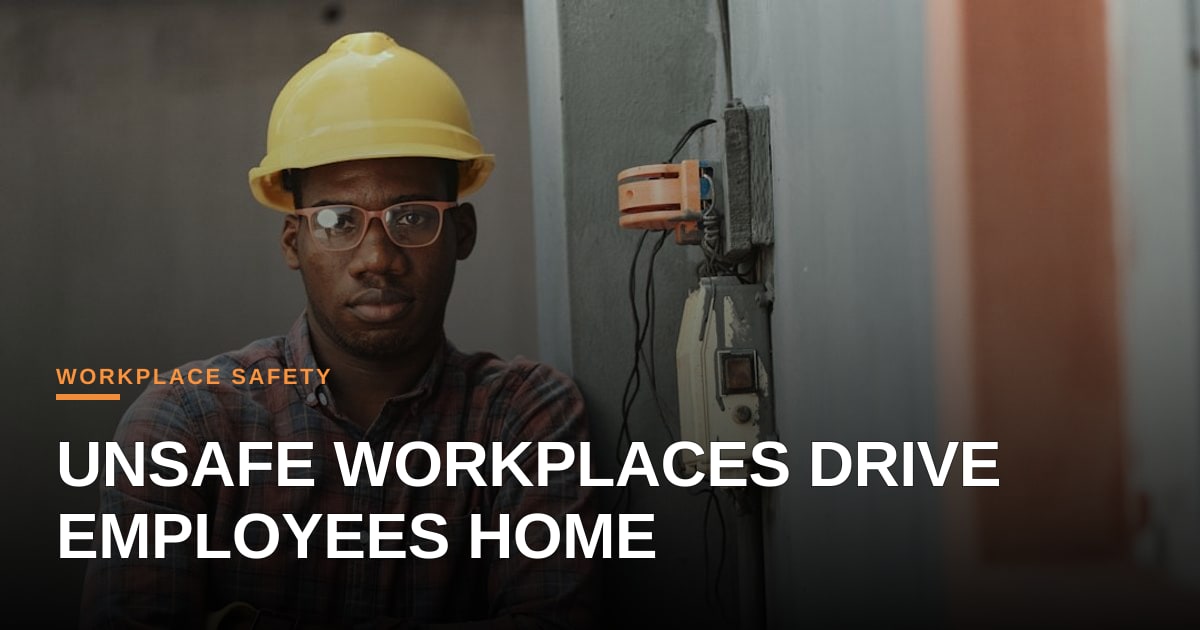
A recent HR Dive survey reveals a stark statistic: almost four out of ten workers have chosen to stay home because they deem their work environment unsafe. The reasons range from severe weather events and failing infrastructure to perceived lapses in employer‑provided safety measures. While the headline numbers sound alarming, the underlying story is more nuanced, touching on employee agency, organizational risk management, and the emerging role of artificial intelligence in bridging the safety gap.
The survey, conducted across a cross‑section of industries, underscores a growing expectation among workers that employers not only comply with regulations but also proactively mitigate hazards. When those expectations are not met, employees are increasingly willing to exercise what labor economists call “safety exit options”—the choice to forego work rather than risk health or life. This shift reflects a broader cultural trend: safety is no longer a peripheral concern but a core component of job satisfaction and retention.
Enter AI. From predictive weather modeling to real‑time sensor networks that flag structural weaknesses, AI tools are already being piloted to anticipate and respond to unsafe conditions. For example, machine‑learning algorithms can analyze historical climate data alongside facility maintenance logs to forecast flood risks, prompting preemptive shutdowns or remote‑work transitions. Similarly, computer‑vision systems can monitor construction sites for compliance violations, alerting supervisors before an incident occurs. In theory, these technologies could reduce the number of workers who feel compelled to stay home, aligning employer risk mitigation with employee expectations.
However, the promise of AI is tempered by practical and ethical trade‑offs. Deploying sophisticated monitoring systems often requires significant capital investment, which smaller firms may struggle to afford, potentially widening the safety gap between large corporations and SMEs. Moreover, increased surveillance raises privacy concerns; workers may resist pervasive monitoring if it feels intrusive or punitive. Finally, reliance on algorithmic predictions can create a false sense of security, especially if models are trained on incomplete data or fail to account for rare, high‑impact events.
For the AI ecosystem, this landscape presents both an opportunity and a responsibility. Developers must design tools that are transparent, equitable, and adaptable to varied organizational contexts. Policymakers, too, have a role in setting standards that balance innovation with worker rights. As the labor market continues to evolve under climate pressures and infrastructural strain, the intersection of safety, AI, and work will likely become a defining battleground for both employers and employees.
The takeaway for readers is clear: AI can be a powerful ally in creating safer workplaces, but its deployment must be guided by inclusive design and robust governance. Otherwise, the very workers it aims to protect may find themselves caught between dangerous conditions and the invisible hand of algorithmic oversight.
Photo: Emmanuel Ikwuegbu / Unsplash (https://unsplash.com/@emmages)
Comments