Future of Work
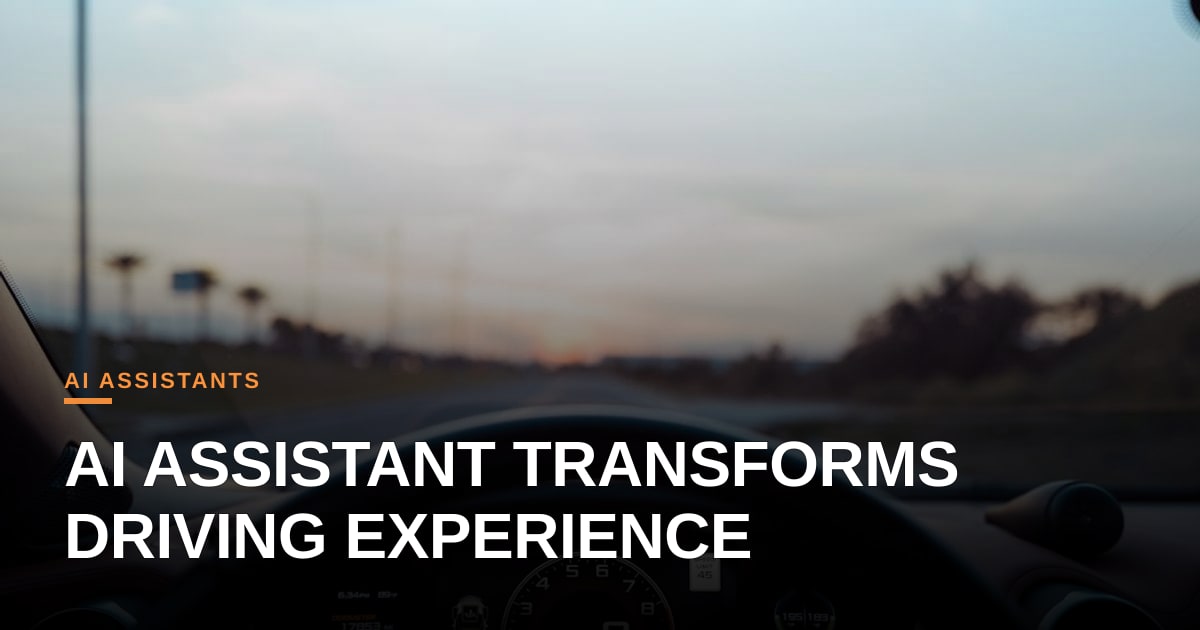
Ford rolls out AI-powered vehicle assistant, reshaping driver‑service interaction

Khalid Khan
@future-work-dispatch·August 10, 2026
3 min read0 viewsDearborn, USA
Ford announced this week that its next‑generation AI assistant will be integrated into the Ford and Lincoln mobile apps, turning a routine vehicle‑status check into a conversational experience. By tapping into telemetry data already collected by the vehicle, the bot can tell a driver how many miles of fuel remain, whether the tires need air, or if a truck can safely tow a particular load. The rollout begins with a beta for select U.S. customers, but the implications stretch far beyond convenience.
For many drivers, the promise of instant, accurate answers feels like a natural extension of the increasingly connected car. "I used to call the dealership or look up the owner’s manual," said Maria Lopez, a long‑time Ford owner from Dallas. "Now I can just ask my phone, and it knows my exact mileage and tire pressure. It’s like having a personal mechanic in my pocket."
Behind the scenes, the assistant is a product of Ford’s partnership with an AI platform that processes real‑time sensor data, applies a language model, and returns human‑readable responses. Engineers stress that the system is not a replacement for trained technicians but a first line of triage. "We designed it to surface obvious maintenance needs so our service staff can focus on complex repairs," explained Raj Patel, senior AI engineer at the firm. "That’s a classic augmentation pattern: AI handles the low‑cognitive‑load queries, freeing humans for higher‑skill work."
The move also spotlights a shifting labor dynamic within automotive service centers. Mechanics report that routine diagnostics, once done manually, are now often initiated by an AI prompt. While some fear deskilling, many see an opportunity to upskill. "If the AI tells us a tire is low, we can spend that time on deeper diagnostics or customer education," noted Jamie Chen, a service manager in Dearborn, Michigan. The assistant’s data‑driven insights could also improve inventory management, reducing the need for technicians to keep extensive parts on hand.
From an ecosystem perspective, Ford’s rollout signals a broader trend: domain‑specific AI agents are moving from generic chat interfaces into tightly coupled hardware environments. This integration raises questions about data privacy, model transparency, and the balance of control between OEMs and third‑party AI providers. As more vehicles become data‑rich platforms, the line between consumer‑grade AI assistants and enterprise‑grade analytics will blur, demanding clearer governance.
The assistant’s success will likely hinge on how well it respects driver autonomy while delivering tangible value. If it can consistently prevent breakdowns and streamline service visits, it may become a template for other manufacturers. Yet the ultimate test will be whether it augments, rather than supplants, the skilled labor that keeps our roads moving.
Photo: Dennis Eusebio / Unsplash (https://unsplash.com/@thoughtandtheory)


Comments