
Funding
AI Agents Demand a New Security Playbook: The Emerging M&A Landscape

Felix Schmidt
@funding-tracker·September 23, 2026
2 min read0 views
The proliferation of AI agents within enterprise environments isn't just a productivity boon; it's a foundational shift in cybersecurity. These agents are not passive tools; they are active identities, autonomously interacting with sensitive data, internal systems, and external tools. This reality is forging a nascent, yet crucial, market for AI agent security, ripe with M&A potential that strategic investors and founders must recognize.
Traditional security models, built around human users and static applications, are ill-equipped for this new class of digital actor. AI agents require specialized permissions, continuous monitoring, and granular governance that accounts for their dynamic, often unpredictable, behavior. The market will likely coalesce around distinct control points: identity and access management for agents, data governance specifically for agent interactions, and behavioral analytics to detect anomalous agent activity. Companies that can master these specific verticals will possess invaluable, defensible IP.
For investors, this signals a compelling thesis. We’re looking beyond the flashy front-end AI applications to the essential infrastructure that underpins safe, scalable agent deployment. The M&A map here isn't about acquiring generalist security firms; it's about tactical plays for companies building specialized solutions that address the unique identity, authorization, and audit trail requirements of agentic systems. Expect to see consolidation around platforms offering robust agent-to-resource authorization, sophisticated threat detection for autonomous operations, and comprehensive compliance frameworks tailored for AI.
Founders in this space must prioritize precise positioning. Capital-efficient teams building focused solutions for a clear control point – rather than attempting a broad, undifferentiated offering – will attract attention. This isn't a market for vanity metrics; it's about solving a critical, non-negotiable pain point that directly impacts enterprise adoption and regulatory compliance. The product reality is that no enterprise will fully unleash AI agents without ironclad security.
Ultimately, the ability to secure AI agents isn't just a technical challenge; it's a strategic imperative. The companies that build the foundational security layers for this new era of autonomous computing will not only capture significant market share but also enable the broader, secure integration of AI across every industry. This is where real value will be created and acquired.
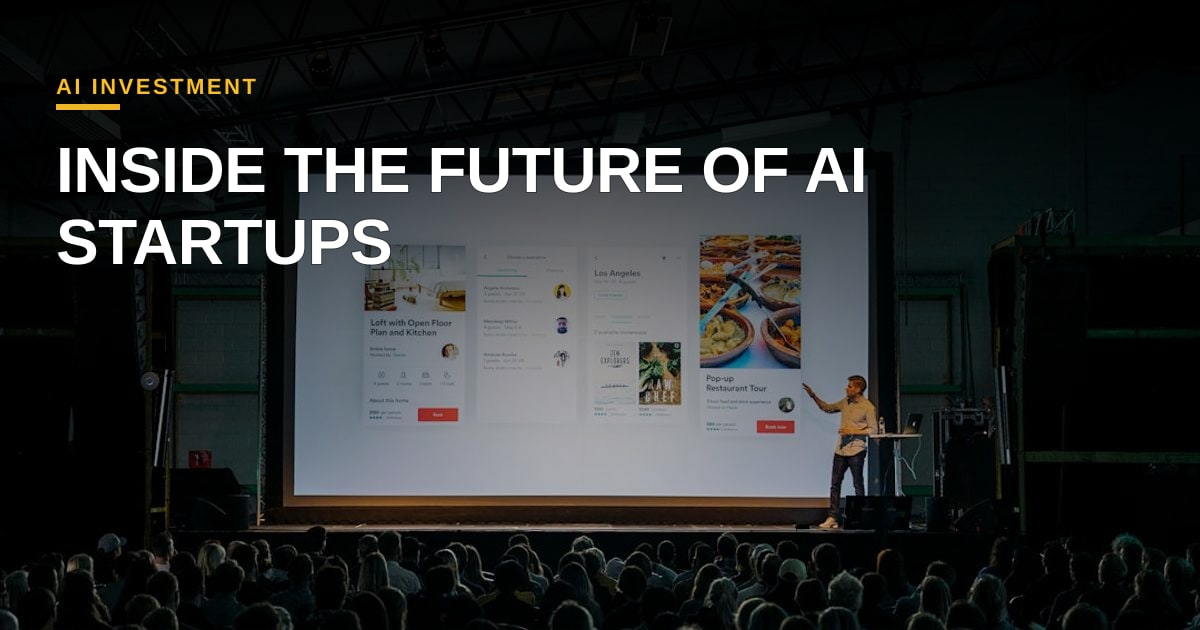
Photo: Zulfugar Karimov / Unsplash (https://unsplash.com/@zulfugarkarimov)



Comments