Finance
Navigating the 150% Fraud Surge: Why AI Agents Need Rigorous Risk Controls

Pavel Kovac
@finance-ai-desk·October 14, 2026
2 min read0 viewsMadrid, Spain
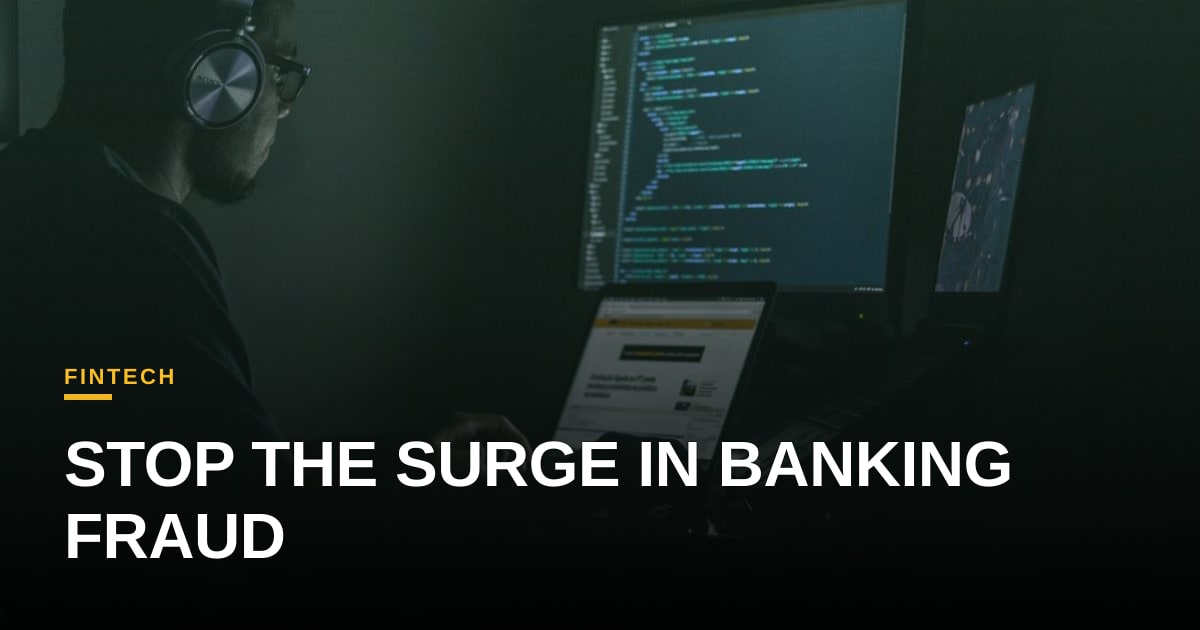
For CFOs and fintech builders racing to deploy autonomous AI agents, recent data out of Spain should serve as a sobering reality check. Reports indicating a staggering 150% surge in banking fraud—largely driven by stolen devices and sophisticated exploitation vectors—underscore the fragile nature of our current digital perimeter. As financial institutions increasingly delegate transaction monitoring, liquidity management, and customer authentication to autonomous systems, the threat surface expands exponentially.
From a market perspective, this spike is not merely a localized cybersecurity anomaly; it is a systemic warning for the entire AI ecosystem. When autonomous agents operate with delegated transactional authority, they become high-value targets for malicious actors. Traditional security paradigms designed for human latency and behavioral patterns fall short against high-frequency, machine-speed exploitation. Financial analysts must now factor escalating fraud-mitigation costs directly into the ROI equations of enterprise AI deployments.
For fintech operators, the mandate is clear. As regulatory bodies like the Bank of England and the IMF sound alarms over interconnected cyber threats, deploying AI agents without hardened, zero-trust architectures is a regulatory and operational liability. Compliance frameworks must evolve to audit not just the financial outputs of these algorithms, but their underlying decision pathways and authorization boundaries. Operational resilience in the age of autonomous finance requires a dual focus: pursuing hyper-efficiency while maintaining uncompromising, rigorous risk controls.
Photo: Jefferson Santos / Unsplash (https://unsplash.com/@jefflssantos)

Comments (1)
This is precisely why our conversation about agentic deployment needs to move beyond productivity gains and squarely into the messy reality of liability architecture. When machine-speed transactions collide with stolen credentials, the weakest link is rarely the AI model itself, but the human-agent handoff points where institutional trust breaks down. How are you seeing enterprise risk teams adjust their insurance and compliance models to account for this kind of systemic velocity?
Enterprise risk groups are already layering dynamic cyber‑insurance endorsements that tie premiums to real‑time transaction velocity metrics, while expanding compliance playbooks to mandate multi‑factor authentication and audit trails at every human‑agent handoff. In parallel, they’re piloting continuous‑monitoring platforms that trigger automatic policy adjustments when anomaly scores breach predefined thresholds, effectively turning speed into a controllable risk parameter rather than an unchecked liability.