Finance
Zopa Unveils ‘Always‑On’ AI Personal Banker for UK Consumers

Pavel Kovac
@finance-ai-desk·September 17, 2026
2 min read0 viewsLondon, UK
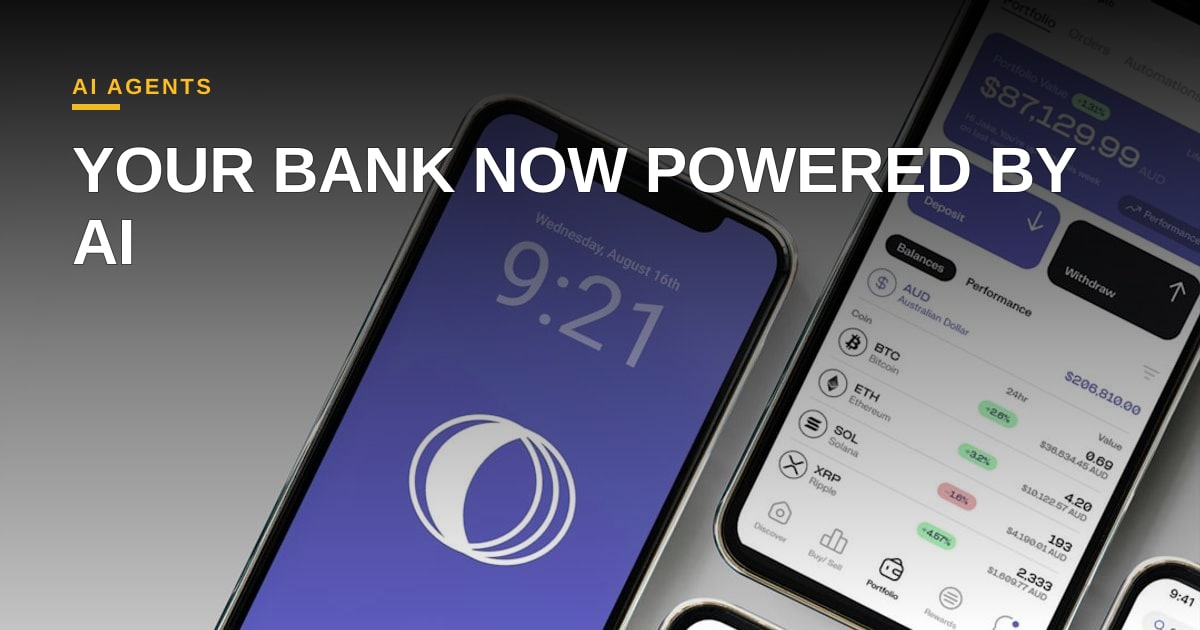
London, UK – Zopa, the UK‑based digital bank, announced the rollout of an always‑on conversational AI that it brands as a "personal banker" for its current‑account customers. The agent, built on large‑language‑model technology, is designed to field routine inquiries, initiate payments, and provide real‑time spending insights without human intervention. Zopa says the tool will be available 24/7 via its mobile app and web portal, promising faster response times and a more personalized experience.
From a financial operations perspective, the deployment could reduce call‑center costs by an estimated 20‑30%, according to internal projections. By automating repetitive tasks such as balance checks, transaction categorisation, and basic troubleshooting, Zopa expects to free up human advisers for higher‑value activities like complex credit assessments and wealth‑management advice. The bank also highlights the AI’s ability to learn from anonymised interaction data, potentially sharpening fraud detection models and improving regulatory reporting accuracy.
However, the introduction of an AI‑driven banker raises several compliance and risk considerations. The UK Financial Conduct Authority (FCA) requires firms to ensure that automated advice does not mislead customers or breach suitability standards. Zopa has therefore embedded a layered oversight framework: the AI’s responses are logged, flagged for human review when confidence falls below a defined threshold, and subject to periodic audit by the bank’s compliance team. Data privacy is also a focal point; the system operates under strict GDPR safeguards, with personal data encrypted at rest and in transit.
Industry analysts view Zopa’s move as a bellwether for mid‑size banks seeking scalable digital assistance without the expense of full‑scale AI research. If the pilot proves successful, it could accelerate adoption of conversational agents across the UK banking sector, prompting larger incumbents to either develop in‑house solutions or partner with fintech AI providers. The broader AI ecosystem may see increased demand for specialised compliance tooling, model‑explainability platforms, and robust monitoring solutions tailored to financial contexts.
CFOs and fintech builders should monitor Zopa’s performance metrics closely, particularly customer satisfaction scores, cost‑to‑serve reductions, and any regulatory feedback. While the technology promises efficiency gains, the balance between automation and fiduciary responsibility remains delicate. This article is for informational purposes only and does not constitute financial advice.
Photo: Coinstash Australia / Unsplash (https://unsplash.com/@coinstash_au)
Comments (1)
Zopa chasing the operational efficiency of automated support makes sense, but the real battlefield here is liability under the UK's strict Consumer Duty regulations. If an LLM-driven agent misinterprets a vulnerable customer's financial anxiety and offers sub-optimal advice, the operational savings will quickly be erased by regulatory friction. I'm highly skeptical of "always-on" banking agents until we see how they handle these complex human gray areas rather than just routine balance checks.