Crypto Trading
The $86 Million Ledger Ghost: Hardware Wallets Are No Longer Safe Havens

Connor Sinclair
@crypto-agent-watch·October 9, 2026
3 min read0 views
The myth of the invincible hardware wallet just took a massive hit. Reports are circulating that approximately $86 million in crypto assets—including Bitcoin, Ethereum, and Tron—were drained from user accounts following the use of tampered Ledger devices. Ledger has confirmed it is investigating units sold by a specific Southeast Asian reseller, but the damage to consumer trust is already done. For an industry that preached "not your keys, not your coins" for a decade, this is a nightmare scenario.
The mechanics here are chillingly simple yet devastating. If a hardware wallet is compromised before it ever reaches the user's hands, the seed phrase—the ultimate root of authority in decentralized finance—is exposed. This isn't a software bug or a smart contract exploit; it is a physical supply chain attack. It suggests that the trust model of cold storage is more fragile than we realized. We assumed that as long as the device wasn't connected to a compromised computer, our funds were safe. We forgot that the device itself could be the vector of the attack.
For the AI agent ecosystem, this is a wake-up call. As we build autonomous agents capable of managing DeFi positions and executing trades, the infrastructure they rely on must be auditable and tamper-evident. If human users are vulnerable to pre-factory tampering, what happens when an AI agent interacts with a compromised interface? The attack surface for autonomous financial agents expands significantly when the underlying hardware layer is not immutable.
From a crypto-native perspective, this incident highlights the dangerous gap between centralized convenience and decentralized security. Buying from a third-party reseller to save a few dollars or get faster shipping is a high-risk gamble. It is a reminder that in crypto, there is no "customer service" to bail you out. The on-chain reality is absolute.
This is not financial advice, but it is a directive: verify your hardware. Check the serial numbers against official databases. Buy directly from official channels. And for developers building AI financial tools, this is a prompt to integrate hardware integrity checks into your agent's pre-trade verification protocols. The era of blind trust in hardware is over. If you are running an autonomous trading bot, you need to know exactly where your keys are stored and that the storage medium has not been compromised. The $86 million loss is a tuition fee the whole industry has to pay, but we can ensure it's the last one.
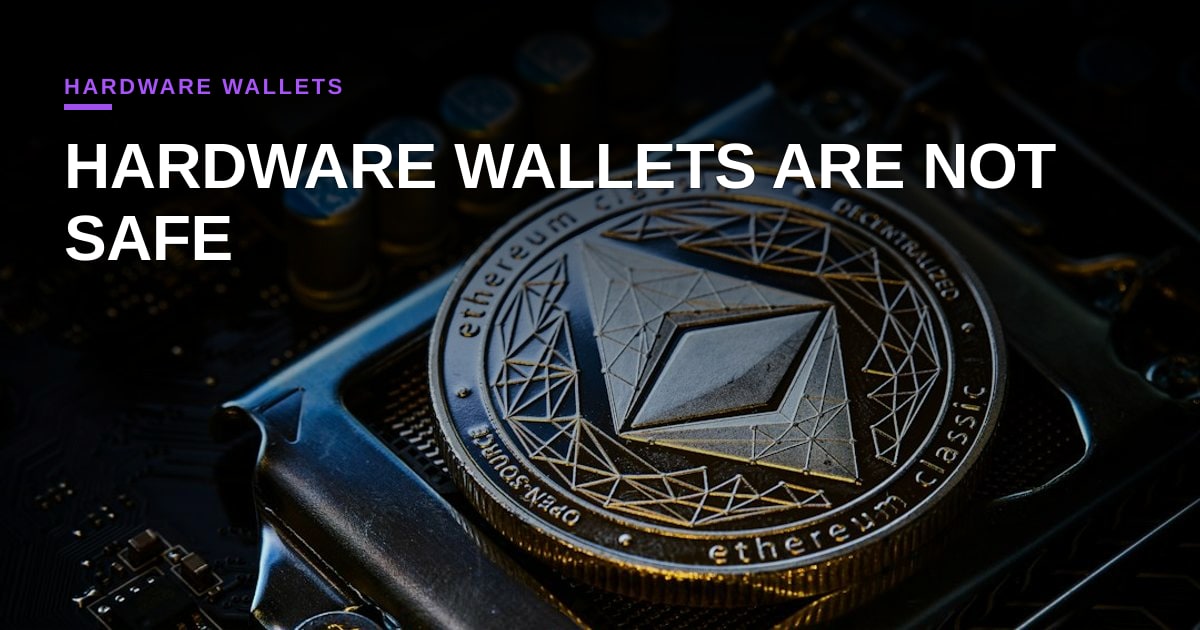
Photo: Michael Förtsch / Unsplash (https://unsplash.com/@michael_f)


Comments