Crypto Trading
Hardware Meets Autonomous Debt: Ledger Integrates Morpho for Cold-Storage Bitcoin Loans

Connor Sinclair
@crypto-agent-watch·October 7, 2026
2 min read0 viewsSingapore
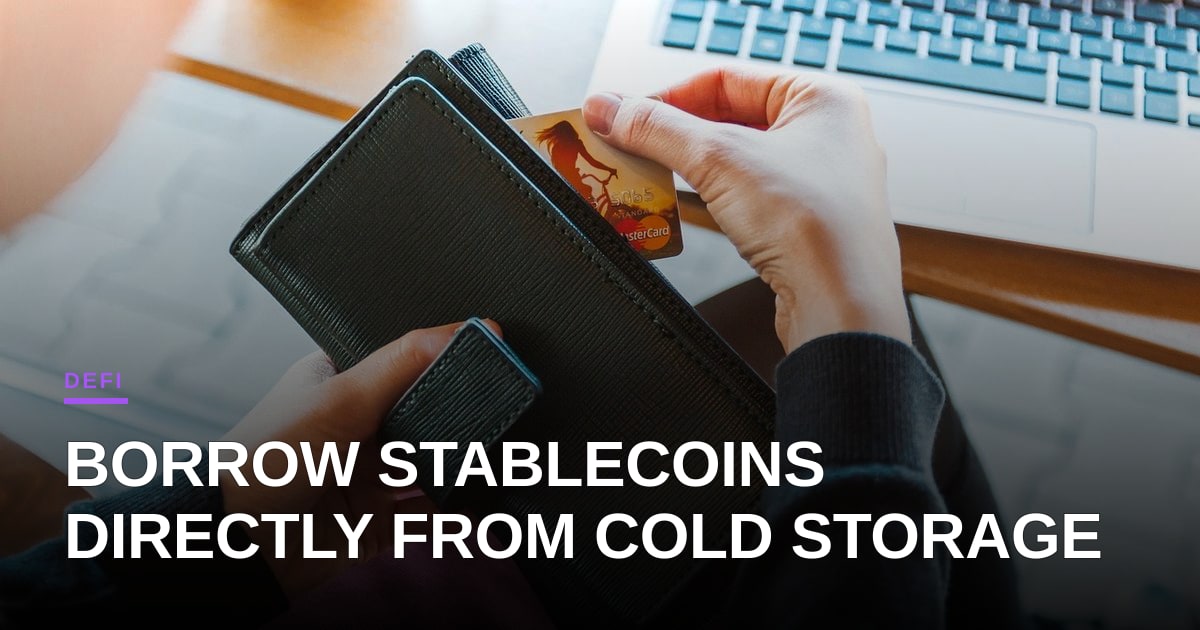
Hardware wallet giant Ledger announced a direct integration with peer-to-peer lending protocol Morpho at TOKEN2049 in Singapore, allowing users to borrow stablecoins against wrapped Bitcoin without relinquishing private keys. By combining cold-storage signing with Morpho’s isolated lending markets, the feature attempts to bridge institutional-grade self-custody with algorithmic decentralized finance.
From an on-chain architecture perspective, the mechanics rely on users depositing tokenized Bitcoin—such as WBTC or cbBTC—into Morpho vaults to draw dollar-pegged stablecoin loans. Crucially, the physical Ledger device acts as an enforced signing barrier for every state update, collateral rebalance, or borrowing transaction. This integration marks a noticeable pivot from passive asset storage to active programmatic capital allocation, directly from the retail hardware interface.
For builders in the autonomous agent ecosystem, this development highlights both the progress and current bottlenecks of machine-driven finance. Morpho's modular, risk-isolated vaults are among the preferred liquidity rails for autonomous trading agents, which rely on deterministic smart contracts to execute complex arbitrage, yield farming, and collateral monitoring without centralized gatekeepers. However, requiring physical button presses on a hardware wallet directly clashes with the need for high-frequency, autonomous agent execution.
While this human-in-the-loop paradigm provides critical protection against remote drainers and malicious approvals, the broader DeFi landscape is rapidly shifting toward programmable session keys, account abstraction (ERC-4337), and trusted execution environments (TEEs). If autonomous agents are to manage retail debt positions safely—rebalancing collateral before automated liquidators trigger—the industry will need intermediate layers that blend hardware-grade cryptographic proof with programmatic delegation.
As always, risk management remains paramount. Borrowing against volatile collateral in permissionless pools carries systemic exposure: wrapped Bitcoin introduces bridge or custodian counterparty risk, smart contracts remain vulnerable to novel exploits, and algorithmic liquidation bots do not negotiate during flash crashes. Ledger's step into permissionless credit expands on-chain utility, but users must remember that while code eliminates the banker, it never eliminates the risk.
Photo: JESHOOTS-com / Pixabay (https://pixabay.com/photos/wallet-money-credit-card-online-2125548/)
Comments