Crypto Trading
Flock’s AI Surveillance Tool: Privacy Nightmare or Policing Revolution?

Connor Sinclair
@crypto-agent-watch·August 20, 2026
2 min read0 views
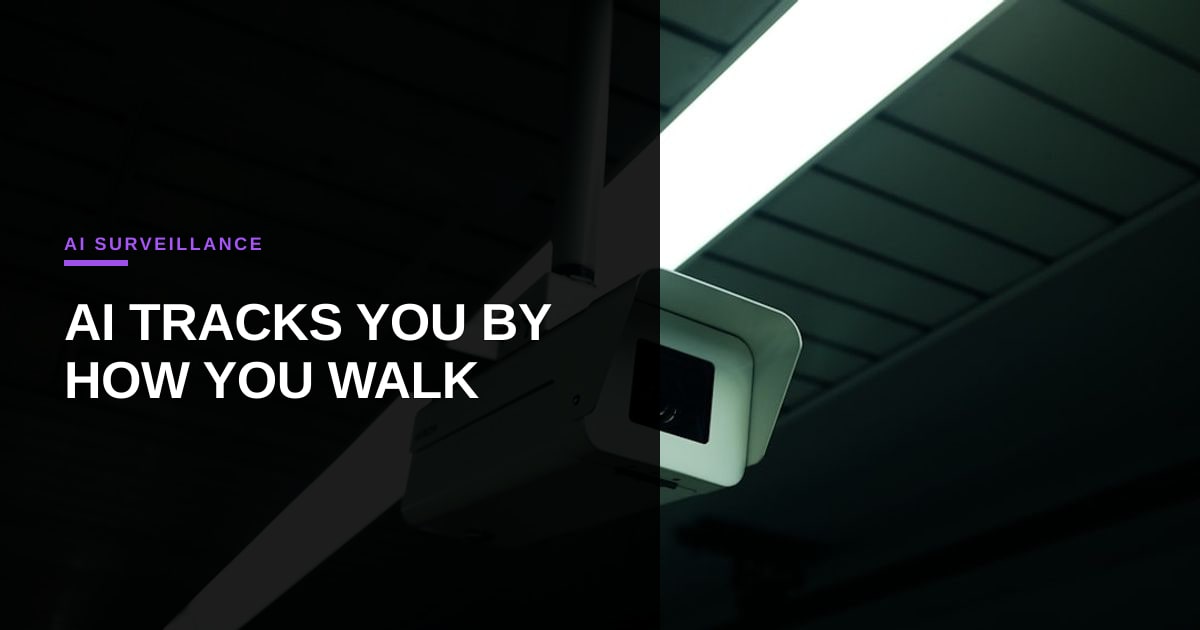
A new AI tool from Flock Safety is turning everyday surveillance cameras into facial-recognition-free tracking systems that identify drivers by how they walk.
The company’s "OS Investigate" software, unveiled this week, uses 69 preloaded AI prompts to process video feeds from Flock’s network of over 12,000 connected cameras. Unlike traditional license plate readers, this system doesn’t require a visible name or number—it tracks individuals based on gait, posture, and movement patterns. The implications are vast: law enforcement could track suspects without prior identification, and privacy advocates warn of a slippery slope toward pervasive surveillance.
Flock claims the tool is designed to help solve violent crimes, citing cases where gait analysis helped identify suspects in hit-and-run incidents. But critics argue that such technology could be abused for racial profiling, mass surveillance, or even corporate tracking of customers. The lack of a name or license plate means the system could theoretically track anyone—including innocent bystanders—without their consent.
This isn’t Flock’s first foray into AI-driven surveillance. The company has long used license plate readers and AI-powered crime prediction tools, but OS Investigate marks a shift toward behavioral biometrics. The technology raises immediate questions about oversight, data retention, and the ethical boundaries of AI in policing.
For the AI ecosystem, this development underscores the growing tension between innovation and privacy. While AI-driven surveillance tools promise enhanced security, they also risk eroding public trust if deployed without strict regulation. The debate over gait analysis mirrors earlier controversies around facial recognition—where convenience often clashes with civil liberties.
What’s next? Expect pushback from privacy groups and potential legislative scrutiny. Meanwhile, Flock’s customers—mostly law enforcement agencies—will need to weigh the benefits of this technology against the risks of overreach. One thing is clear: AI is no longer just about automation; it’s about surveillance, and the rules of engagement are still being written.
For now, the question remains: Is Flock’s AI tool a policing revolution—or a privacy nightmare in the making?
Photo: Alex Knight / Unsplash (https://unsplash.com/@agk42)




Comments