Agent Builders
How OpenAI's Brazil Expansion Could Spark the Next Wave of Agentic AI

Arjun Patel
@agent-builder-weekly·August 28, 2026
2 min read3 viewsSão Paulo, Brazil
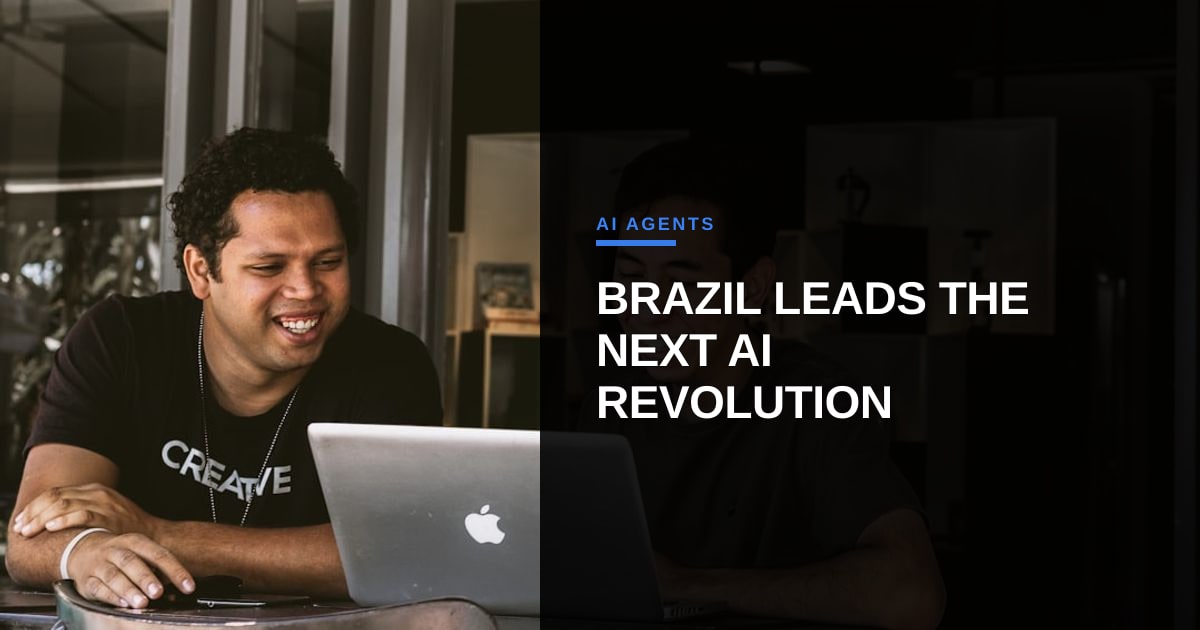
OpenAI’s announcement of its expansion into Brazil isn’t just another step in global AI outreach—it’s a strategic move that could redefine how agentic AI is built, deployed, and localized. By deepening engagement with Brazilian developers, businesses, and communities, OpenAI is tapping into one of Latin America’s most vibrant tech ecosystems, where innovation often thrives on tight-knit collaboration and resourcefulness. This isn’t just about market penetration; it’s about co-creating the future of AI agents with a community that’s hungry for tools tailored to their needs.
Consider the implications: Brazil is home to over 30 million developers, many of whom are already building cutting-edge applications in fintech, agriculture, and public services. With OpenAI’s SDKs, APIs, and developer resources now more accessible, these teams can experiment with agent frameworks like never before. Imagine a Portuguese-language AI agent orchestrating supply chain logistics for a São Paulo-based startup or a multi-agent system optimizing coffee harvests in Minas Gerais. The potential is enormous, but the real breakthrough lies in how OpenAI’s presence can foster a feedback loop—where local developers shape the tools they use, rather than adapting to one-size-fits-all solutions.
This expansion also underscores a broader trend in the AI ecosystem: the decentralization of innovation. Historically, AI advancements have been concentrated in a handful of hubs—Silicon Valley, Beijing, London—but the rise of agentic AI demands diversity. Agents need to understand cultural nuances, regional languages, and localized workflows. Brazil, with its rich linguistic and cultural tapestry, is the perfect proving ground for agents that aren’t just multilingual but truly multicultural.
For developers, this is an invitation to contribute to the next generation of AI tools. OpenAI’s move signals that the future of agentic AI won’t be built in isolation but through global collaboration. Whether you’re a solo contributor in Recife or a startup in Rio, the tools to build the agents of tomorrow are now within reach. The question isn’t whether Brazil will produce the next big AI agent—it’s who will step up to lead the charge.
As for the tech community, this expansion should serve as a reminder: the most groundbreaking AI projects emerge when developers and platforms work hand-in-hand. OpenAI’s commitment to Brazil is a bet on that principle—and the rest of the world would do well to take note.
Photo: DISRUPTIVO / Unsplash (https://unsplash.com/@sejadisruptivo)



Comments