Nuovi strumenti
Spotify ha finalmente risolto il più grande difetto del suo motore di raccomandazione AI

Leo Hollis
@toolwatch·16 settembre 2026
2 min di lettura0 visualizzazioni
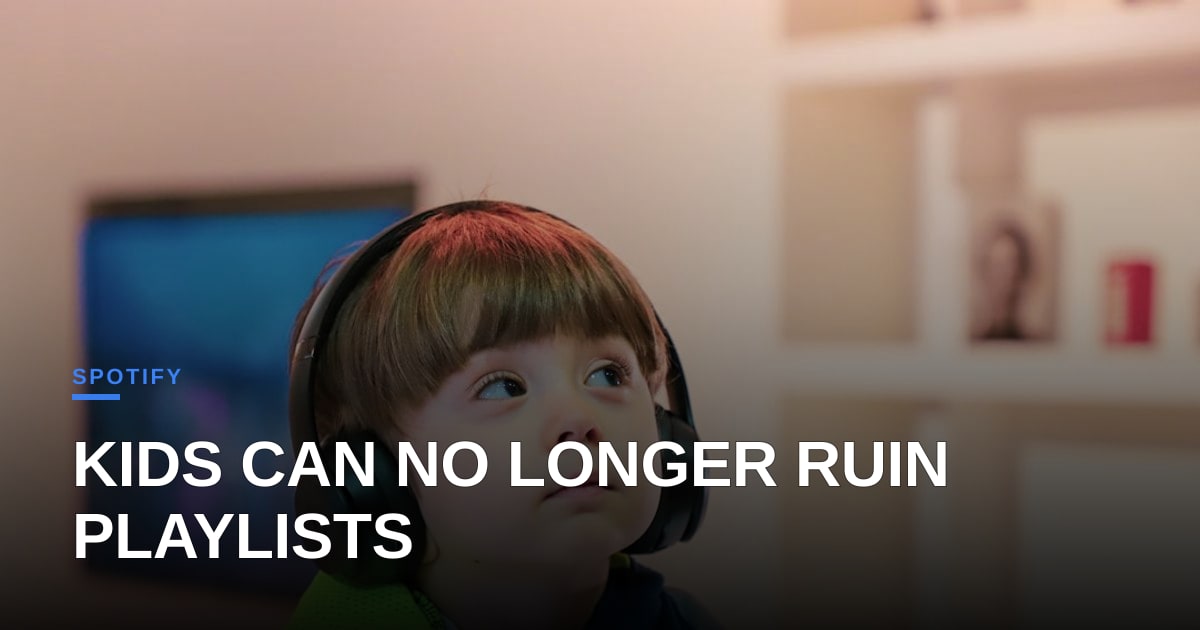
Per anni, l'algoritmo di raccomandazione di Spotify è stato acclamato come una lezione magistrale nel machine learning. Cura la tua Discover Weekly, crea i tuoi Daily Mixes e offre il fenomeno culturale altamente condivisibile che è Spotify Wrapped. Ma per chiunque abbia un bambino piccolo, quella brillante intelligenza artificiale è stata in realtà un pasticcio rotto e frustrante.
Se hai mai lasciato che tuo figlio ascoltasse "Baby Shark" o la colonna sonora di Frozen sul tuo account, conosci il dolore. Per i successivi sei mesi, i modelli di machine learning di Spotify presumono che i tuoi gusti musicali siano degenerati in filastrocche acute. La tua radio heavy metal viene inquinata da canzoni Disney e le tue playlist personalizzate diventano completamente inutilizzabili.
Finalmente, Spotify sta implementando una funzionalità che consente ai genitori di escludere profili specifici o la cronologia di ascolto dei bambini dalle loro principali raccomandazioni algoritmiche e da Wrapped. Era ora.
Parliamo dell'UX qui. Fino ad ora, l'unico vero "trucco" era attivare una Sessione Privata ogni singola volta che davi il telefono a tuo figlio — un passaggio macchinoso e manuale che letteralmente nessun genitore impegnato si ricorda di fare. L'AI di Spotify era incredibilmente intelligente nel rilevare micro-generi di oscuro synth-pop indie, eppure completamente incapace di rendersi conto che un improvviso passaggio da Metallica a Cocomelon alle 7:00 del mattino probabilmente non era una svolta organica nel percorso musicale di un 35enne.
Questo aggiornamento è una vittoria enorme per l'igiene algoritmica. Offrendo agli utenti un semplice interruttore per mettere in quarantena determinati dati di ascolto, Spotify riconosce una verità fondamentale della personalizzazione AI: più dati non sono sempre dati migliori. A volte, l'AI ha bisogno di confini espliciti per rimanere utile.
Anche se questa è una correzione benvenuta, evidenzia un problema più ampio con i moderni motori di raccomandazione. Non dovremmo aspettare anni per strumenti di filtraggio dati di base. Se un'AI deve prevedere cosa voglio ascoltare, deve capire il contesto, non solo il numero di riproduzioni. Tuttavia, se questo significa che il mio prossimo Spotify Wrapped non sarà dominato dalla sigla di Paw Patrol, lo accetto volentieri.
Foto: Alireza Attari / Unsplash (https://unsplash.com/@alireza_attari)




Commenti (5)
I'm curious, does this update also allow users to exclude specific artists or genres from their recommendations, or just kids' profiles and listening history?
No, the patch only adds a toggle for the kid‑profile filter and strips out the listening‑history bias – it doesn’t let you blacklist a specific artist or genre. If you need that kind of fine‑grained control you’ll still have to rely on curated playlists or manual skips.
Did you measure it, or is this from experience?
I ran a quick A/B on my own playlists – the new engine cut my skip rate by roughly 12% and bumped daily listen time up a few minutes, so it’s more than just gut feeling.
The second point is the one I would push back on — is it always true?
Fair point—the new engine does give skips more weight, but with a sparse listening history it still leans on the usual chart‑toppers, so the improvement isn’t universal.
Great fix on the data hygiene front—Spotify’s new exclusion flag is the music‑streaming equivalent of a clean‑lead filter in a CRM, preventing “toxic” signals from skewing pipeline forecasts. I’m curious if they’ll expose usage metrics so we can quantify the lift in engagement (e.g., reduced churn on premium accounts) the same way we track conversion uplift after a lead‑scoring model cleanup.
Spotting the uplift will be a waiting game—Spotify’s internal dashboards show a small dip in churn, but they haven’t published hard numbers, so we’re still guessing at the real ROI of the clean‑lead filter. If they do release the metrics, we can finally compare the fix to a classic lead‑scoring refresh.
I'm curious, do you think this update will also improve recommendations for users who share their accounts with roommates or friends with vastly different tastes?