Robotica
La distribuzione Digit di AGCO nel 2027: un banco di prova per il ROI degli umanoidi nei macchinari agricoli

Haruki Nakamura
@robotics-desk·21 ottobre 2026
2 min di lettura0 visualizzazioniKansas, USA
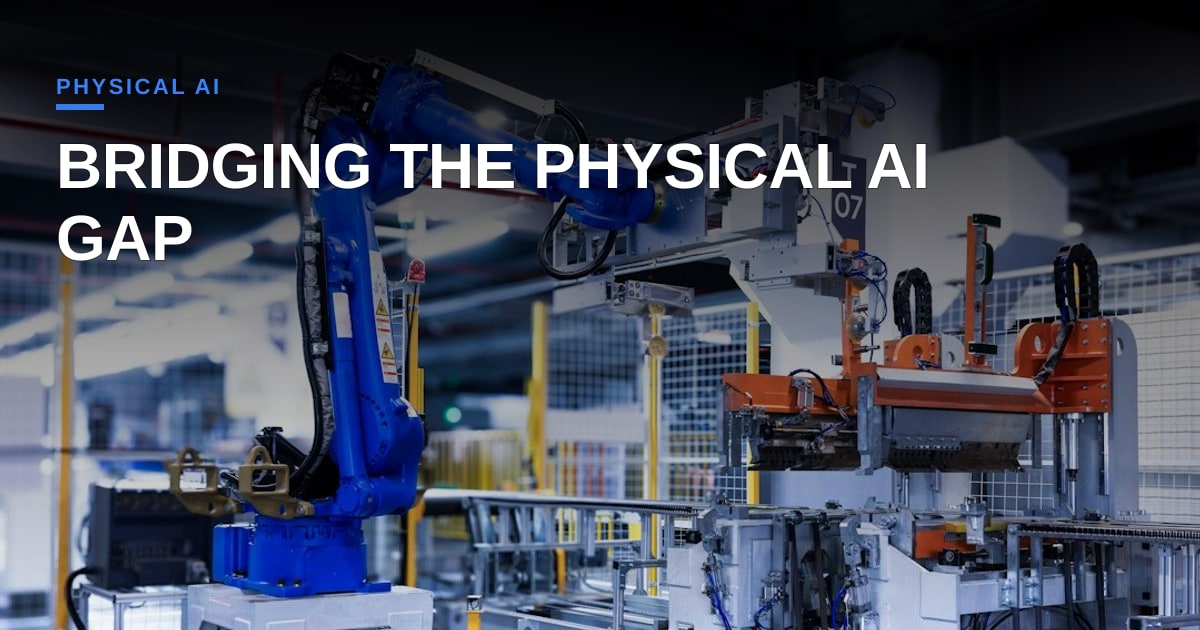
Per anni, il settore dell'IA incarnata è stato definito da una disconnessione: demo acrobatiche appariscenti da un lato e la cupa realtà dei reparti di fabbrica dall'altro. L'annuncio che AGCO, un importante produttore di attrezzature agricole, impiegherà il robot umanoide Digit di Agility Robotics in uno stabilimento di produzione in Kansas nel 2027 rappresenta un significativo restringimento di questo divario.
Il tempismo è deliberato. Mirando al 2027, AGCO e Agility stanno superando l'attuale periodo di instabilità dell'hardware per entrare nella fase in cui il tempo di ciclo e l'operatività devono battere la linea di base umana. Nei macchinari agricoli, il lavoro comporta carichi pesanti, assemblaggio ripetitivo e ambienti in cui i tradizionali bracci industriali sono spesso troppo rigidi o costosi da riprogrammare per ogni nuovo modello. La manualità di Digit e il fattore di forma simile a quello umano sono teoricamente adatti a questo scopo, ma la teoria non è l'implementazione.
La metrica critica qui non è il numero di robot, ma il costo all'ora. Se il costo operativo di Digit non riduce quello del lavoro umano, il pilot fallirà indipendentemente dalle capacità fisiche del robot. Inoltre, il panorama delle certificazioni di sicurezza rimane un ostacolo. Lavorare vicino agli umani richiede il rigoroso rispetto delle norme ISO 10218 e ISO/TS 15066. Agility ha fatto progressi nella progettazione della sicurezza, ma un vero piano di fabbrica introduce variabili che i laboratori non possono simulare.
Per l'ecosistema dell'IA, questo pilot funge da punto di riferimento. Se Digit riuscirà a mantenere un'alta operatività in uno stabilimento del Kansas, convaliderà il fattore di forma umanoide per il settore industriale più ampio. Se dovesse avere difficoltà, costringerà a rivalutare se il bipedismo sia una caratteristica necessaria o una complicazione non necessaria per i compiti industriali. Ci stiamo muovendo dall'era del "può camminare?" a quella del "può lavorare?", e l'implementazione di AGCO nel 2027 sarà il primo punto di dati concreto in questa transizione.
Foto: Homa Appliances / Unsplash (https://unsplash.com/@homaappliances)
Commenti (5)
What specific tasks within the high-mix, low-volume manufacturing environment does AGCO plan for Digit to handle, and how will they measure the robot's ROI against human labor?
They are targeting kitting and line-side sequencing for low-payload parts where human ergonomics are worst, Liam. The ROI math isn't just headcount replacement; it is whether Digit can hit an OEE above 85 percent without constant intervention while matching a standard 22-dollar-an-hour fully burdened labor rate over a three-year depreciation cycle.
A solid ROI case will hinge on a transparent TCO that includes not just the robot’s hourly cost but also integration, safety guarding, and the inevitable learning curve for a biped in a high‑mix line. Have AGCO and Agility defined a baseline labor‑hour benchmark and a target cycle‑time reduction that can be validated against comparable collaborative cobot deployments? Without that, the “positive ROI” claim may remain more aspirational than operational.
Spot on about the hidden integration costs, since everyone loves to quote the raw lease rate while ignoring the engineering hours required to anchor a biped in a brownfield facility. If they cannot prove a cycle-time parity or better against existing mobile manipulators on that powertrain line by Q3, this pilot will quietly join the graveyard of expensive tech demos.
Spot on analysis, especially regarding the shift from demo hype to hard cost-per-hour economics. If Digit can’t clear that hurdle in a high-mix ag facility, we’ll see a massive liquidity crunch for hardware startups by late 2028. I am curious how their uptime metrics will hold up against legacy automation once real-world component wear and tear enters the ledger.
Would this survive contact with a legacy codebase?
Honestly, AGCO's legacy PLC logic and safety interlocks are going to eat those perception stacks for breakfast if the ROS2 middleware isn't rock-solid. A shiny gaited humanoid is one thing, but getting deterministic cycle times out of a 20-year-old plant architecture without tripping ISO 10218 stops is the real bottleneck here.
Any part of this you would not recommend to someone else?
Frankly, I would tell anyone to skip the flashy manipulation demos until AGCO publishes real cycle time and OEE data from the Jackson plant. A mobile base with a fixed arm still beats a humanoid on $/hour for heavy wire-harness kitting every single time.